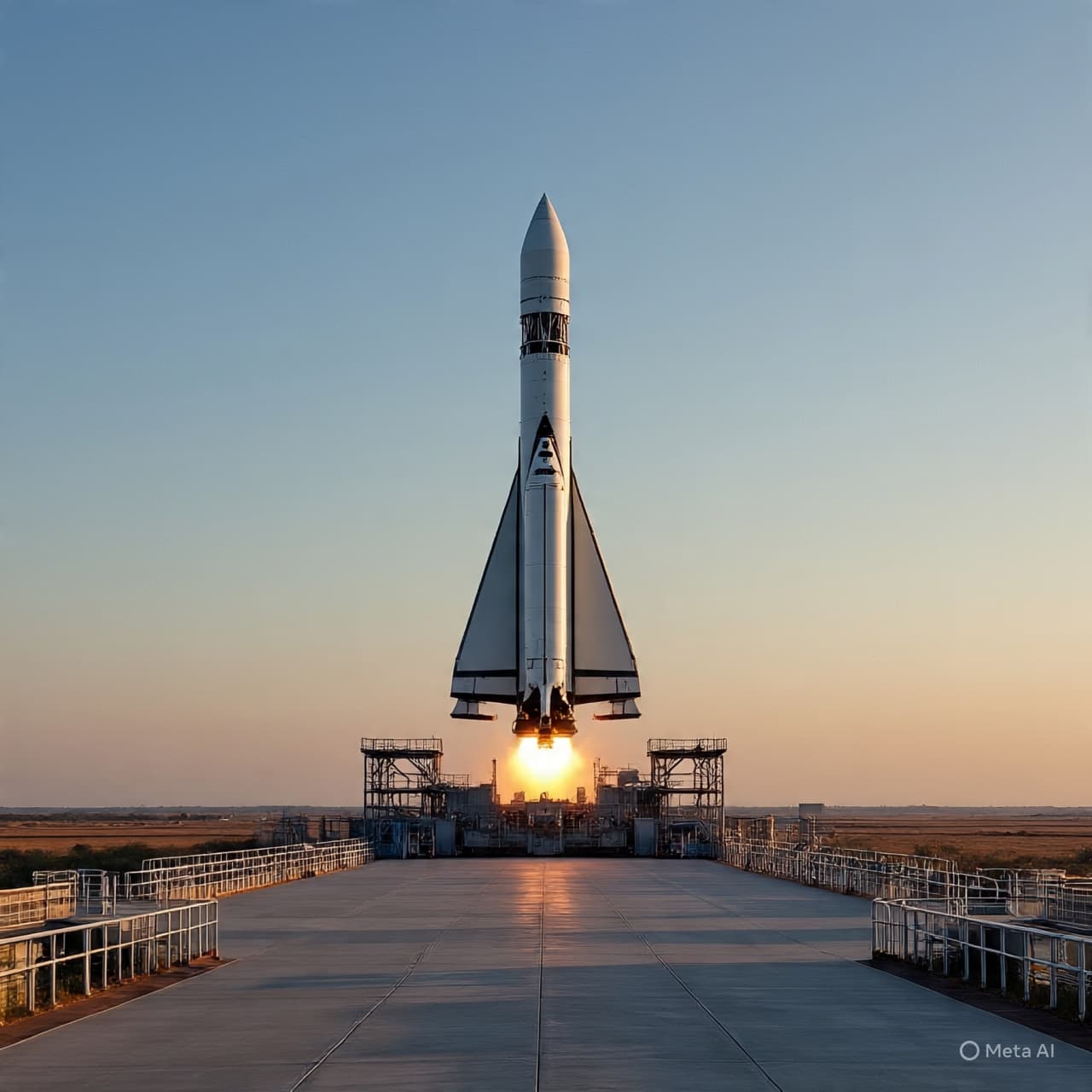
Before the engines roar, there is rehearsal. Long before fire and lift, there is silence broken only by checklists, clocks, and the careful choreography of people who know that timing, more than ambition, determines whether history moves forward.
NASA has begun a full practice countdown for its first crewed moon mission in more than half a century, marking a crucial step toward returning astronauts to lunar orbit. The exercise is not a launch, but it is not symbolic either. It is a test of systems, decisions, and human coordination under the pressure of simulated time.
The countdown rehearsal mirrors launch day as closely as possible. Astronauts suit up, enter the spacecraft, and move through every phase short of ignition. Engineers monitor telemetry, weather teams track conditions, and mission controllers rehearse responses to potential problems. Each pause and reset is intentional, designed to expose weaknesses while there is still room to correct them.
This mission carries more than technical weight. It represents the first time humans will travel toward the Moon since the Apollo era ended in the early 1970s. Generations have passed since astronauts last left Earth’s orbit for another world. What was once a Cold War race has become a longer, more deliberate return, shaped by lessons learned and risks better understood.
NASA describes the rehearsal as essential rather than ceremonial. Modern spacecraft are more complex, missions more interdependent, and expectations higher. Safety, not speed, now defines progress. Practicing the countdown is as much about discipline as it is about confidence—proving that every team knows its role when the clock begins to narrow.
For the astronauts involved, the exercise is both familiar and historic. They train for years for moments like these, yet few people alive have experienced what they are preparing to do. The Moon is no longer a new destination, but reaching it again requires rebuilding habits that time has eroded.
The rehearsal ends without ascent. The rocket remains grounded, the astronauts exit, and the launch pad returns to stillness. But something has shifted. The mission has moved from planning to proximity, from concept to readiness.
In practicing the countdown, NASA is not reliving the past. It is measuring whether the future is ready to begin again.
AI Image Disclaimer Illustrations were created using AI tools and are conceptual representations, not real photographs.
Sources NASA Aerospace engineers Space policy analysts Human spaceflight historians
Published by Banx Network. This article is part of the Banx decentralized media programme, powered by the BXE token on the XRP Ledger.