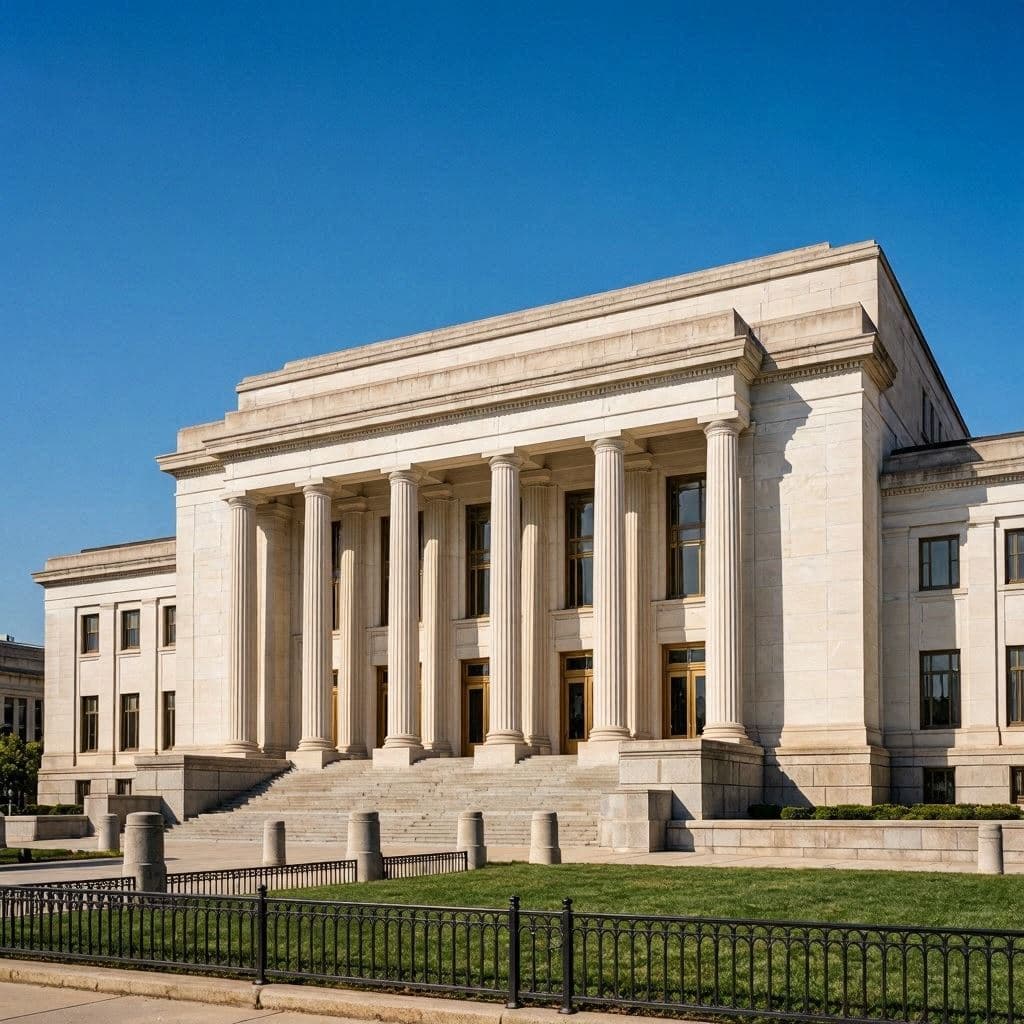
In the intricate dance of political appointments, every step forward often reveals new complexities in the background. With Todd Blanche’s confirmation as Attorney General now moving smoothly through the Senate, attention shifts to the broader implications of his leadership. One lingering issue is the status of former President Donald Trump’s tax audits, which remain shielded from immediate public disclosure under current legal interpretations. This situation highlights the delicate interplay between personal legal matters and public office, raising questions about transparency and accountability in the highest levels of government.
Todd Blanche, a loyalist and former defense attorney for President Trump, has secured enough support to overcome previous hurdles. His confirmation marks a significant victory for the administration, ensuring that the Department of Justice is led by someone who shares the president’s vision. However, critics argue that Blanche’s close ties to Trump could compromise the independence of the department, particularly in cases involving the former president.
The issue of Trump’s tax returns has been a contentious topic for years. While previous administrations have seen their financial records scrutinized, Trump’s case has been protected by a series of legal battles and procedural delays. With Blanche at the helm, there are concerns that the Department of Justice may continue to prioritize privacy over public interest, maintaining the status quo of immunity. This stance contrasts with calls from reform advocates for greater financial transparency among elected officials.
Legal experts note that while the Attorney General has broad discretion, there are ethical guidelines intended to prevent conflicts of interest. The decision to keep audit details private is defended by the administration as a matter of legal privilege and personal rights. However, opponents argue that the public has a right to know about potential financial influences on policy decisions. The debate reflects a deeper tension between individual privacy and democratic accountability.
For the Senate, the confirmation vote was a test of party loyalty and principle. Republicans largely supported Blanche, viewing him as a qualified candidate who would uphold the rule of law as they define it. Democrats, meanwhile, expressed reservations about his impartiality, citing his past representation of Trump. The partisan divide underscores the challenges of achieving consensus in a polarized political environment.
The broader impact on the Department of Justice remains to be seen. Under Blanche’s leadership, priorities may shift toward issues favored by the administration, potentially affecting investigations into corruption, civil rights, and other areas. The balance between political agenda and professional integrity will be closely watched by legal scholars and the public alike.
Public reaction has been mixed. Some citizens welcome the stability of a confirmed Attorney General, while others worry about the erosion of checks and balances. Trust in institutions is fragile, and perceptions of favoritism can further damage confidence. Ensuring that the justice system remains fair and unbiased is essential for maintaining social cohesion.
As Todd Blanche takes the reins of the Department of Justice, the question of Trump’s tax audit immunity remains unresolved. It serves as a reminder that political appointments carry weight beyond the individual, influencing the trajectory of justice and transparency. The coming months will reveal how these dynamics play out in practice.
AI Image Disclaimer: Please note that the images in this piece are AI-generated illustrations created to depict the themes of political appointment and legal transparency.
Sources: Axios, The Hill, PBS NewsHour, New York Times
Published by Banx Network. This article is part of the Banx decentralized media programme, powered by the BXE token on the XRP Ledger.