In the complex chessboard of global politics, moves in one region often ripple across others, altering alliances and priorities. As China deepens its economic and diplomatic influence in Asia, former President Donald Trump’s foreign policy focus has remained sharply fixed on Iran. This divergence invites reflection on the competing visions for global order and the challenges of maintaining strategic balance in a multipolar world. It is a moment where attention is divided, and the consequences of focus are weighed.
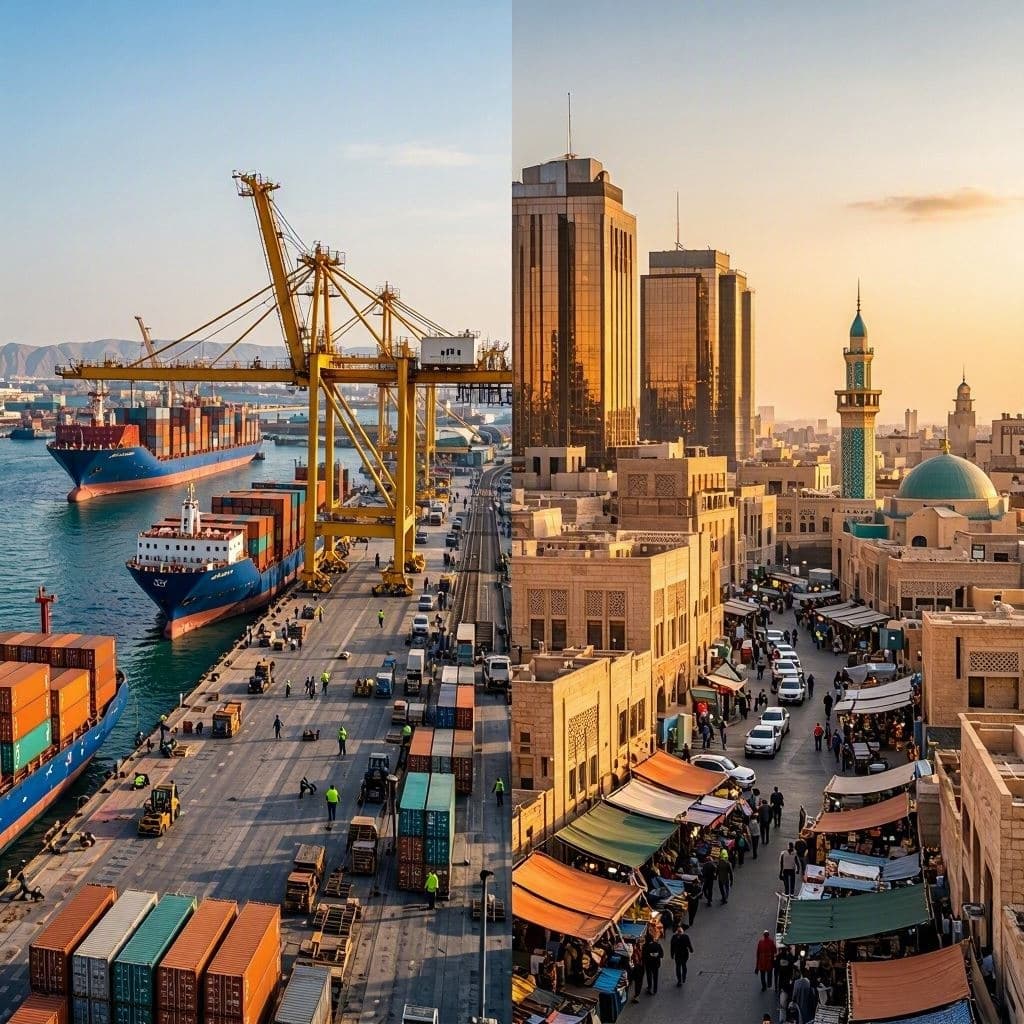
China’s expansion in Asia includes robust trade agreements, infrastructure investments, and diplomatic outreach, particularly in Southeast Asia. Surveys indicate that many regional leaders view China as a preferred partner, citing economic opportunities and non-interference policies. Influence grows quietly. Economy binds nations.
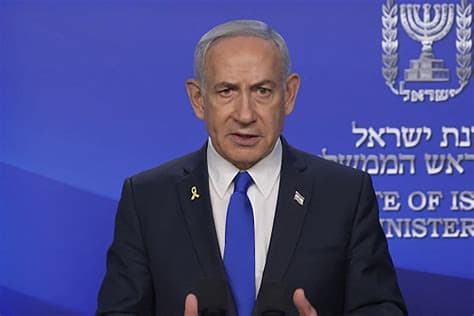
Meanwhile, Trump’s emphasis on Iran stems from a desire to curb Tehran’s nuclear ambitions and regional influence, often through maximum pressure campaigns and military posturing. This focus has sometimes led to perceptions of neglect in other areas, including the Indo-Pacific. Pressure defines strategy. Perception shapes reality.
Critics argue that an exclusive focus on the Middle East allows China to fill the vacuum in Asia, potentially undermining long-term U.S. interests. They advocate for a more balanced approach that addresses both immediate threats and long-term strategic competitors. Balance ensures security. Strategy requires breadth.
Supporters of the Iran-focused policy contend that preventing nuclear proliferation is paramount and that strong alliances in Asia can endure without constant high-level engagement. They believe that decisive action in one arena can stabilize the broader global environment. Stability starts with strength. Action deters aggression.
For Asian nations, the uncertainty of U.S. commitment has prompted some to hedge their bets, strengthening ties with Beijing while maintaining security partnerships with Washington. Hedging is prudent. Uncertainty drives adaptation.
As the geopolitical landscape evolves, the interplay between China’s rise and U.S. priorities will define the coming decade. The hope is for a coherent strategy that protects national interests while fostering regional stability. Coherence builds trust. Stability benefits all.
As China expands its influence in Asia, Donald Trump’s foreign policy continues to prioritize Iran, sparking debate over strategic balance. Regional leaders are adjusting to shifting U.S. focus, with some strengthening ties with Beijing. The hope is for a comprehensive approach that addresses both immediate and long-term challenges.
AI Image Disclaimer: The images provided are AI-generated to visually represent the geopolitical and diplomatic aspects of the story.
Sources: Council on Foreign Relations Foreign Policy The New York Times CSIS
Published by Banx Network. This article is part of the Banx decentralized media programme, powered by the BXE token on the XRP Ledger.