In the quiet rhythm of community life, trust is built on shared spaces and mutual respect. Neighbors walk their pets along familiar streets, children play in parks, and a sense of safety pervades the daily routine. Yet, this harmony can be momentarily disrupted by an unexpected event, such as a dog bite, which serves as a stark reminder of the responsibilities that come with pet ownership. In Sarnia, Lambton Public Health has recently issued a call for information regarding a specific incident, seeking to locate a dog and its owner to ensure public safety and proper health follow-up.
The incident, which occurred in a residential area, highlights the importance of vigilance and accountability. While most dogs are gentle companions, any animal can react unpredictably under stress or fear. When a bite occurs, it is not merely a private matter between two parties but a public health concern that requires attention. Rabies prevention, wound care, and understanding the behavior of the animal are critical components of the response, ensuring that both the victim and the community remain protected.
Lambton Public Health’s approach is one of careful inquiry rather than immediate accusation. By seeking the location of the dog and its owner, officials aim to assess the animal’s health status and vaccination history. This process is standard procedure, designed to mitigate risks without unnecessary alarm. It reflects a balanced perspective that recognizes the rights of pet owners while prioritizing the well-being of the public.
Community cooperation plays a vital role in these investigations. Residents who may have witnessed the event or have knowledge of the dog’s whereabouts are encouraged to come forward. Their insights can help resolve the situation quickly, allowing all parties to move forward with clarity and peace of mind. This collaborative spirit is a hallmark of strong communities, where neighbors look out for one another in times of uncertainty.
The search also underscores the broader context of responsible pet ownership. Licensing, vaccination, and proper training are essential tools for preventing such incidents. When owners adhere to these guidelines, they contribute to a safer environment for everyone. Public health units often use these moments as opportunities to educate the community about best practices, fostering a culture of responsibility and care.
For the victim, the aftermath of a bite can be physically and emotionally challenging. Access to appropriate medical care and support is crucial during this time. By locating the dog, health officials can provide reassurance regarding potential exposure to diseases, alleviating anxiety and ensuring that necessary precautions are taken. This aspect of the process is handled with sensitivity and professionalism.
As the investigation continues, the focus remains on resolution and prevention. The goal is not to penalize but to protect, ensuring that similar incidents are less likely to occur in the future. Through dialogue and education, communities can strengthen their understanding of animal behavior and human interaction, creating a more harmonious coexistence.
In the end, this incident serves as a gentle prompt for reflection on our shared responsibilities. By working together, residents and health officials can maintain the safety and tranquility of Sarnia, ensuring that it remains a welcoming place for both humans and their four-legged friends.
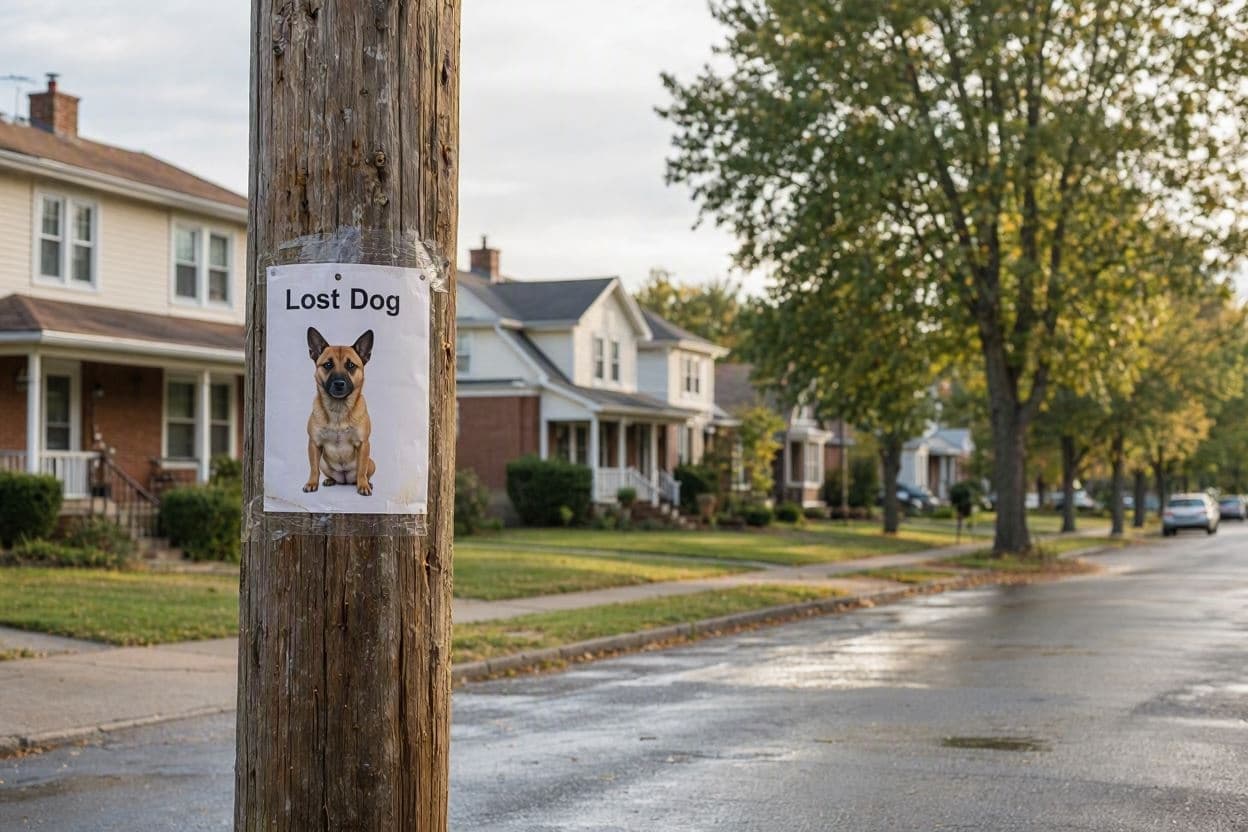
AI Image Disclaimer: The visual representations included here are AI-generated illustrations depicting a neighborhood setting and are not actual photographs of the incident or the individuals involved.
Sources: Lambton Public Health Sarnia Observer CTV News London
Published by Banx Network. This article is part of the Banx decentralized media programme, powered by the BXE token on the XRP Ledger.