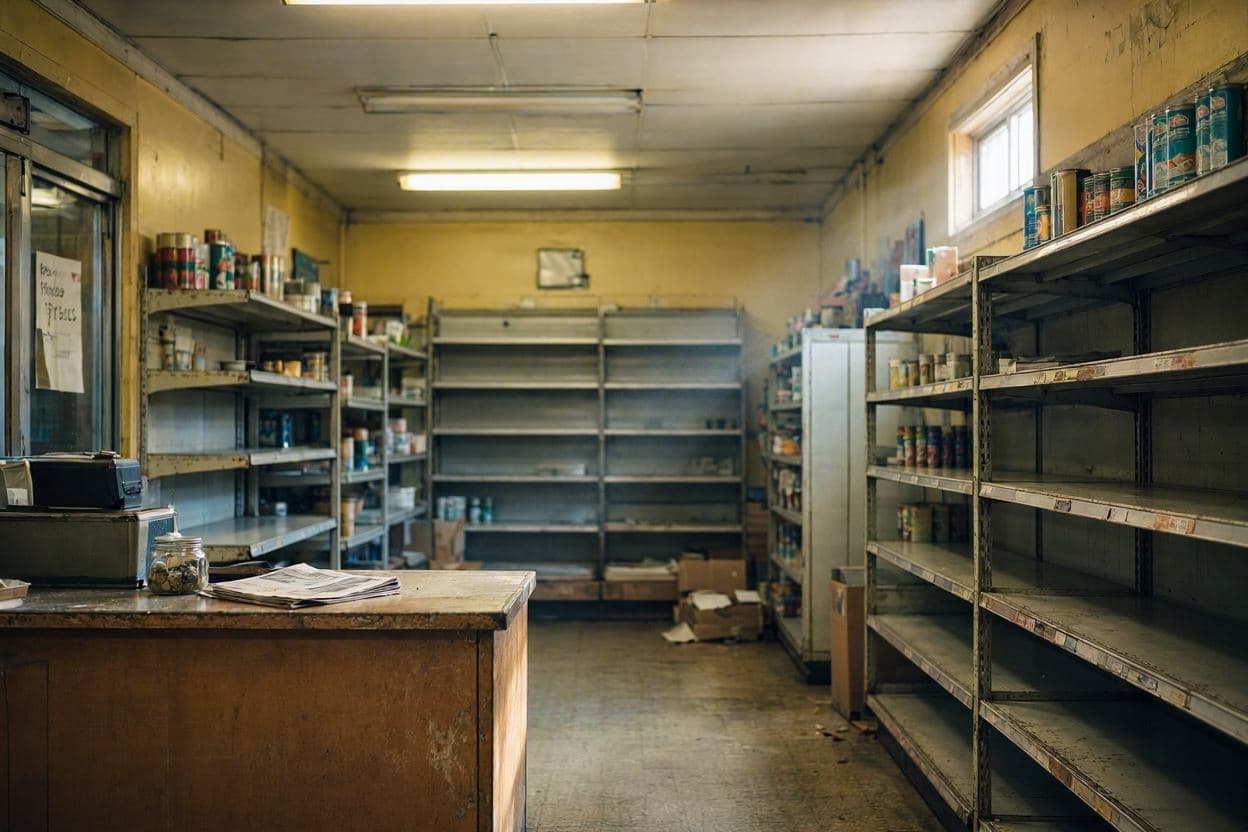
In the quiet moments that follow chaos, memory often returns with startling clarity, piecing together fragments of fear and survival. For Mohammad Ali, a corner store clerk in Vancouver, those moments are etched with the echo of his own voice pleading for help. Shot while at work on September 6, 2026, his story is not just one of violence, but of resilience and the profound human desire to live. It is a narrative that invites us to look beyond the statistics of crime and see the individual lives touched by sudden tragedy.
The incident occurred during a routine shift, transforming an ordinary day into a fight for life. As the gunman entered the store, the atmosphere shifted instantly from mundane to menacing. Ali’s recollection of shouting, "Please, please, I am dying," captures the raw vulnerability of that instant. It was a cry not just for medical aid, but for connection, for someone to witness his suffering and intervene. In that brief window, the boundary between safety and danger vanished, leaving him alone with his pain.
The physical wound remains a source of discomfort, a daily reminder of the event. Yet, it is the psychological impact that often lingers longer, shaping how one views the world and their place in it. For Ali, the recovery process is both physical and emotional, involving not just healing tissue but also rebuilding a sense of security. The support of family, friends, and the community has been crucial in this journey, offering a buffer against the isolation that trauma can bring.
Vancouver, like many urban centers, grapples with issues of public safety and gun violence. This incident highlights the fragility of peace in everyday spaces, where people go about their lives unaware of potential threats. It raises questions about the measures needed to protect workers and customers alike, urging a collective reflection on how communities can foster safer environments. The conversation extends beyond policing to include social support and prevention strategies.
For the local community, Ali’s story is a call to empathy. It reminds residents that behind every headline is a person with a family, dreams, and a future that was nearly cut short. The outpouring of support following the shooting demonstrates the strength of communal bonds, showing that in times of crisis, people come together to offer comfort and assistance. This solidarity is a powerful force in healing and recovery.
Law enforcement continues to investigate the circumstances surrounding the attack, seeking justice for Ali and ensuring accountability. The legal process, while necessary, can be lengthy and demanding for victims. Throughout this time, Ali’s courage in sharing his experience serves as a testament to his strength. It also helps raise awareness about the realities of such crimes, encouraging others to speak out and seek help.
As Ali moves forward, his focus is on healing and reclaiming his life. The scar he carries is a symbol of survival, a mark of having endured the unimaginable. His story is not defined by the violence inflicted upon him, but by his response to it—a response characterized by hope and perseverance. It is a reminder that even in the darkest moments, the human spirit can find a way to endure.
In the end, the plea "I am dying" was met with life. Ali’s survival is a victory, not just for him, but for all who believe in the value of every individual. As he continues to recover, let his story inspire a greater commitment to safety, compassion, and community care. May his journey toward healing be supported by the kindness of those around him.
Note: The visual elements accompanying this article are AI-generated interpretations designed to reflect the themes of resilience and recovery.
Sources: CTV News Vancouver, Global News BC, CBC News British Columbia
Published by Banx Network. This article is part of the Banx decentralized media programme, powered by the BXE token on the XRP Ledger.