In the quiet corridors of public health, where vigilance is the guardian of community well-being, a somber milestone has been reached. Pennsylvania has reported its fourth death related to measles in 2026, marking a tragic chapter in what was once considered a conquered disease. This loss is not merely a statistic but a profound reminder of the fragility of life and the enduring power of preventable illness. It invites reflection on the choices we make as a society and the collective responsibility we hold for one another’s safety.
The resurgence of measles, a highly contagious viral infection, has caught many off guard in an era of advanced medicine. The victims, including young children and adults, were unvaccinated, leaving them vulnerable to a virus that spreads with alarming ease through the air. For families, the grief is compounded by the knowledge that this tragedy might have been avoided. It is a pain that echoes through communities, raising questions about trust, information, and the barriers to healthcare access.
Measles was declared eliminated in the United States in 2000, thanks to widespread vaccination efforts. However, recent years have seen a decline in immunization rates, fueled by misinformation and hesitancy. This erosion of herd immunity has created pockets of vulnerability, allowing the virus to find footholds in communities that were once protected. The current outbreak in Pennsylvania, with hundreds of cases reported across multiple counties, highlights the consequences of this shift.
Public health officials are working tirelessly to contain the spread, offering vaccinations and educating the public about the risks. Yet, the challenge is not just medical but social. Rebuilding trust in science and healthcare systems requires patience, empathy, and clear communication. It involves listening to concerns, addressing fears, and providing accurate, accessible information. This dialogue is essential for fostering a culture of prevention and care.
For healthcare workers, the surge in cases brings renewed pressure and emotional strain. They witness firsthand the suffering caused by a disease that vaccines can effectively prevent. Their dedication remains unwavering, even as they navigate complex ethical and logistical challenges. Supporting these professionals is crucial, ensuring they have the resources and backing needed to serve their communities effectively.
The impact of measles extends beyond immediate health risks. It disrupts schools, workplaces, and daily routines, creating ripple effects that touch every aspect of life. For children, it means missed education and isolation; for parents, it means worry and uncertainty. These disruptions underscore the importance of maintaining robust public health infrastructure and high vaccination coverage.
As the nation grapples with this resurgence, it is an opportunity to reevaluate our approach to preventive care. It calls for a renewed commitment to equity, ensuring that all individuals have access to life-saving vaccines regardless of background or belief. It also invites a broader conversation about how we value community health and protect the most vulnerable among us.
In the end, the fourth measles death in Pennsylvania is a call to action. It reminds us that progress is not permanent and that vigilance is required to maintain it. Let this tragedy inspire a renewed dedication to science, compassion, and collective responsibility. May we work together to ensure that no more lives are lost to a preventable disease.
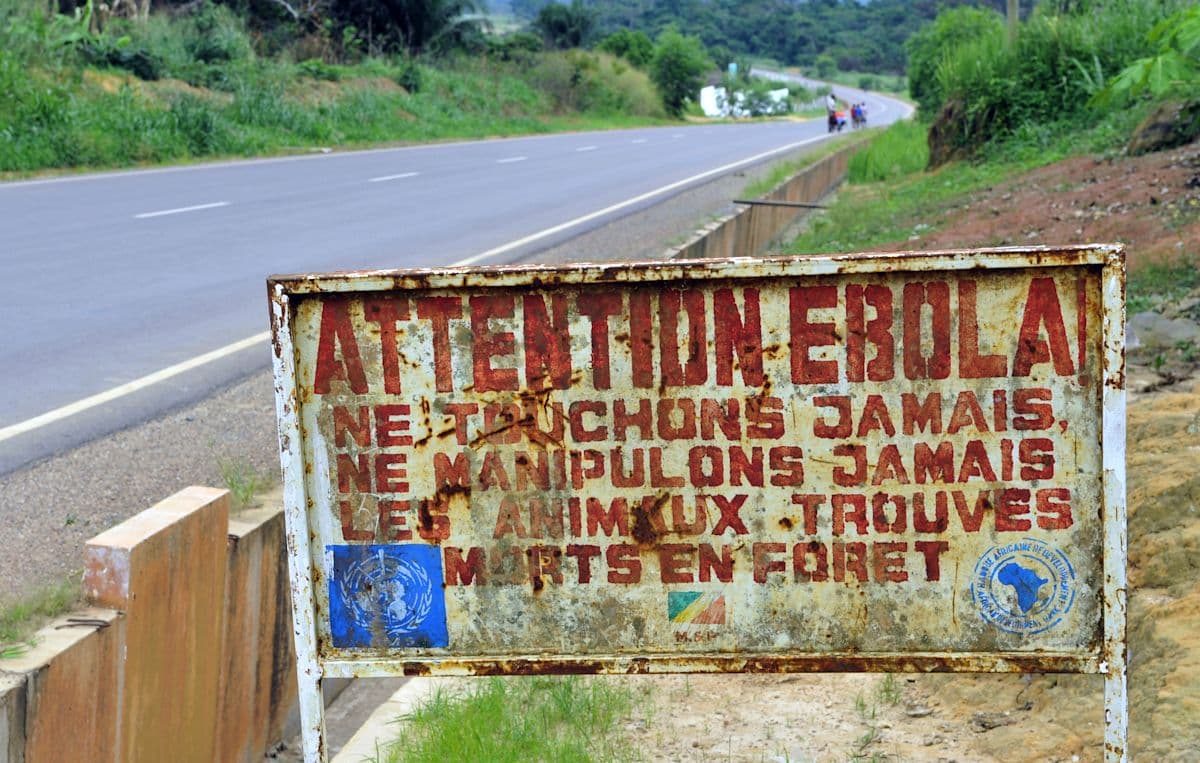
Note: The visual elements accompanying this article are AI-generated interpretations designed to reflect the themes of public health and community care.
Sources: Pennsylvania Department of Health, CDC, Reuters, Penn Capital-Star
Published by Banx Network. This article is part of the Banx decentralized media programme, powered by the BXE token on the XRP Ledger.