The Pacific Northwest is no stranger to the rhythmic dance of rain and wind, a weather pattern that shapes both the landscape and the lifestyle of its residents. Yet, when forecasts predict heavy rains and strong winds, there is a collective pause, a moment of preparation and respect for the power of nature. As British Columbia’s coast and parts of Vancouver Island brace for an incoming storm system, the community is reminded of the delicate balance between human habitation and the elemental forces that surround us.
Meteorologists have tracked a robust low-pressure system moving in from the Pacific, bringing with it the promise of significant precipitation and gusty winds. For coastal communities, this is a familiar yet serious scenario. The rain, while essential for replenishing reservoirs and sustaining the lush forests, can also lead to localized flooding and landslides if the ground becomes saturated. Authorities are urging residents to stay informed and prepared.
Strong winds pose additional challenges, particularly for those living near the shore or in areas with older tree coverage. Power outages are a common consequence, as branches fall onto lines and infrastructure struggles against the gale. Utility companies have positioned crews on standby, ready to respond to disruptions and restore service as quickly as possible. This proactive stance is crucial for maintaining safety and comfort during the storm.
For Vancouver Island, the impact may be particularly pronounced due to its exposure to open ocean conditions. Ferry services may experience delays or cancellations, affecting travel plans for both residents and tourists. Maritime advisories have been issued, warning small craft to remain in port and advising larger vessels to exercise caution. The rhythm of daily life adjusts to the tempo of the weather.
Residents are encouraged to take simple precautions, such as securing outdoor furniture, clearing gutters, and having emergency kits ready. These small acts of preparedness can make a significant difference in mitigating risk. Community networks often play a vital role during such events, with neighbors checking on one another and sharing resources. It is a testament to the resilience and solidarity of the region.
Environmentalists note that intense weather events are becoming more frequent, a trend linked to broader climate patterns. While individual storms are natural phenomena, their increasing intensity underscores the importance of sustainable land management and climate adaptation strategies. Protecting wetlands and forests helps absorb excess water and stabilize soil, reducing the impact of heavy rains.
Despite the inconvenience, there is a certain beauty in the storm. The sound of rain against the window and the sight of trees bending in the wind are part of the coastal identity. Many residents find a sense of coziness in staying indoors, enjoying the warmth of home while the elements rage outside. This perspective shifts the narrative from fear to appreciation of nature’s power.
As the storm approaches, the focus remains on safety and awareness. Local emergency management offices provide regular updates, ensuring that everyone has access to timely information. By staying connected and prepared, communities can weather the storm with confidence and minimal disruption.
Heavy rains and strong winds are expected to hit the B.C. coast and Vancouver Island, prompting preparations for potential flooding and power outages. Residents are urged to stay informed and take necessary precautions. The event serves as a reminder of the region’s dynamic weather and the importance of community resilience.
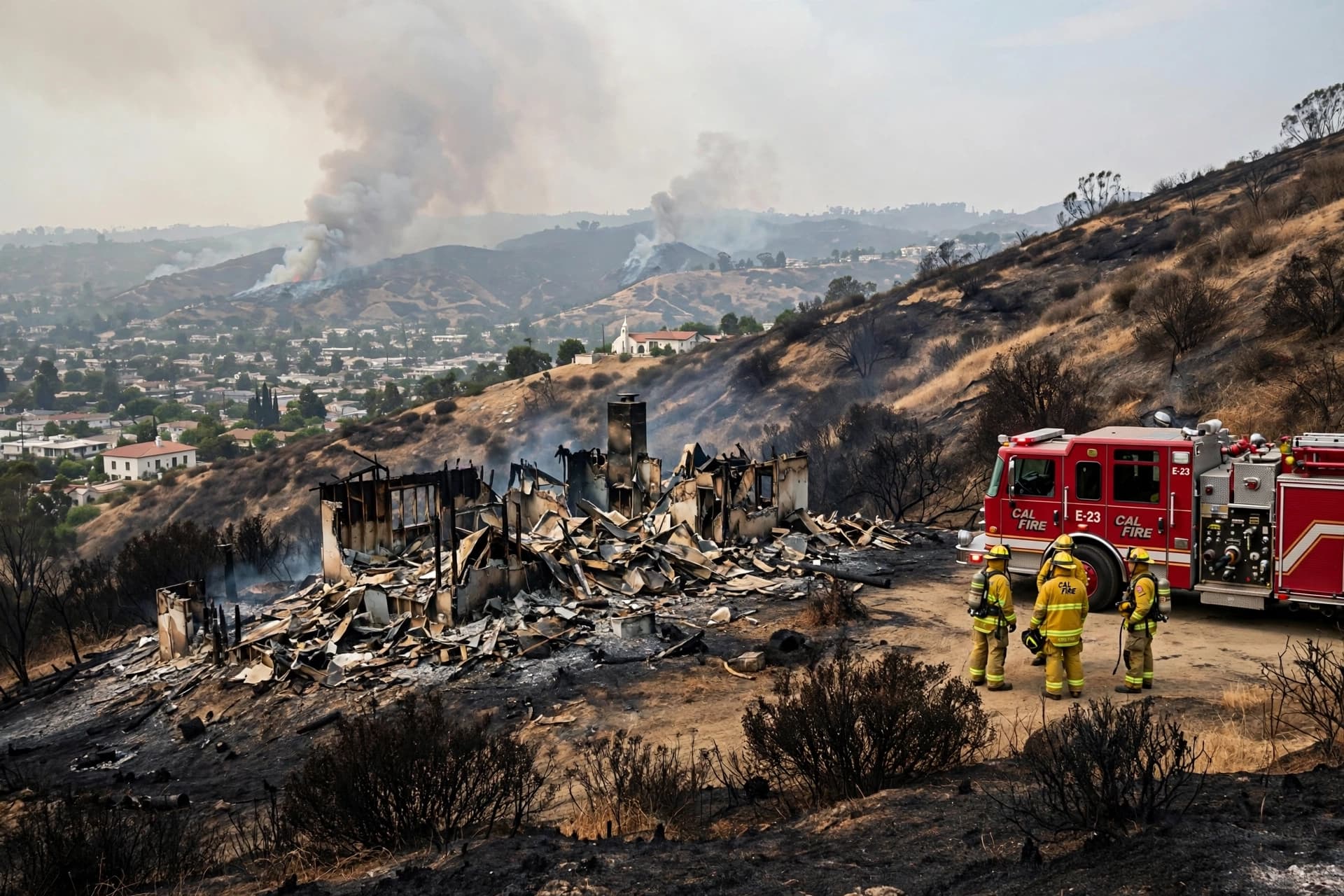
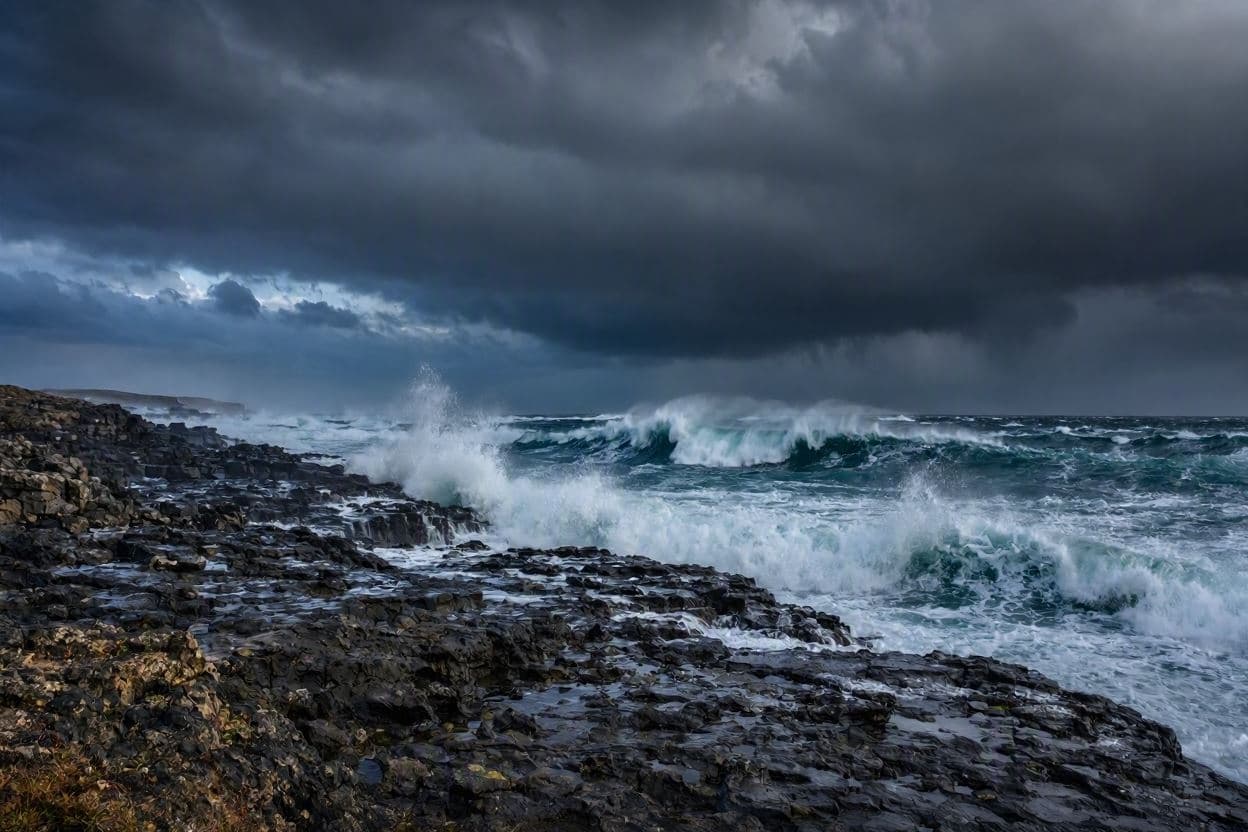
AI Image Disclaimer: The images associated with this article are AI-generated visualizations intended to evoke the atmosphere of a coastal storm, using respectful and dramatic imagery of rain and wind.
Sources: Environment and Climate Change Canada BC Hydro Local Vancouver Island News Outlets
Published by Banx Network. This article is part of the Banx decentralized media programme, powered by the BXE token on the XRP Ledger.