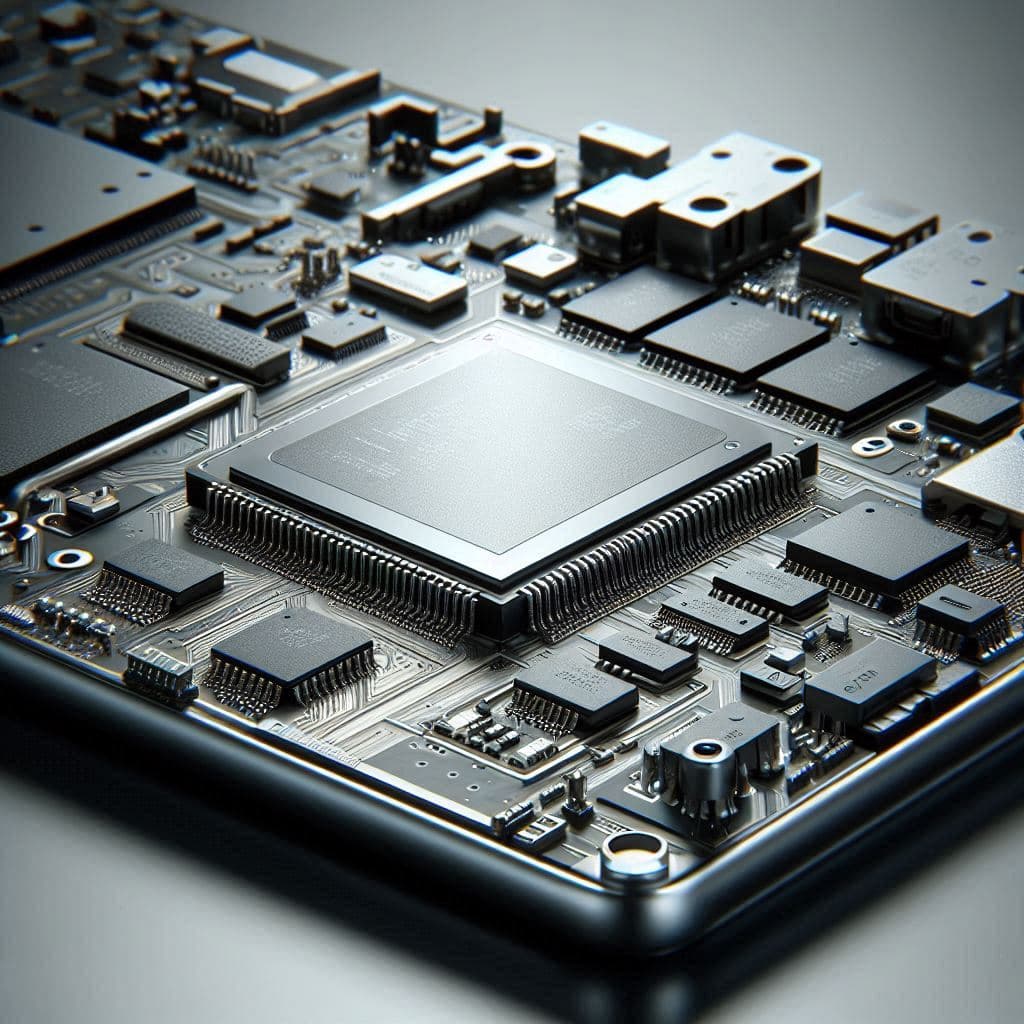
In the quiet architecture of modern technology, some decisions are made not with spectacle, but with restraint. Like an engineer choosing familiar tools over experimental designs, companies often move forward by preserving balance rather than chasing every new idea. In the evolving conversation around smartphone hardware, memory design has become one of those careful choices, shaped as much by relationships as by performance charts.
Unified RAM, a concept that blends system memory and graphics memory into a shared pool, has gained attention across the broader computing landscape. It promises efficiency, simpler designs, and potentially smoother multitasking. Yet within the mobile world, Qualcomm has remained measured, showing little urgency to fully adopt this approach in its Snapdragon platforms.
This reluctance appears less about resistance to innovation and more about ecosystem harmony. Qualcomm sits at the center of a wide network of smartphone manufacturers, each with distinct design philosophies, cost structures, and supply chains. By maintaining flexible memory architectures, Qualcomm allows vendors to tailor hardware configurations to their own priorities, rather than binding them to a single unified model.
For phone makers, this flexibility matters. Separate RAM configurations offer room to differentiate products across price segments, manage thermal performance, and balance costs more precisely. Unified RAM, while elegant in theory, could limit these choices, especially in a market where margins and customization remain sensitive concerns.
Industry observers note that Qualcomm’s strategy reflects its long-standing role as a platform provider rather than a vertically integrated brand. Its success depends not only on silicon performance, but on trust and continuity with partners who rely on predictable options. In this context, caution becomes a form of stability rather than stagnation.
As competitors explore tighter integration and alternative memory designs, Qualcomm’s path remains deliberately open-ended. Unified RAM may eventually find its place in mobile processors, but for now, the company appears content to let the ecosystem evolve at a pace shaped by consensus rather than pressure.
In the near term, Qualcomm is expected to continue supporting diverse memory configurations across its chipsets, reinforcing its collaborative approach with phone vendors while monitoring broader shifts in mobile hardware design.
AI Image Disclaimer “Visuals are created with AI tools and are not real photographs.”
Sources Android Authority The Verge GSMArena AnandTech Nikkei Asia
Published by Banx Network. This article is part of the Banx decentralized media programme, powered by the BXE token on the XRP Ledger.