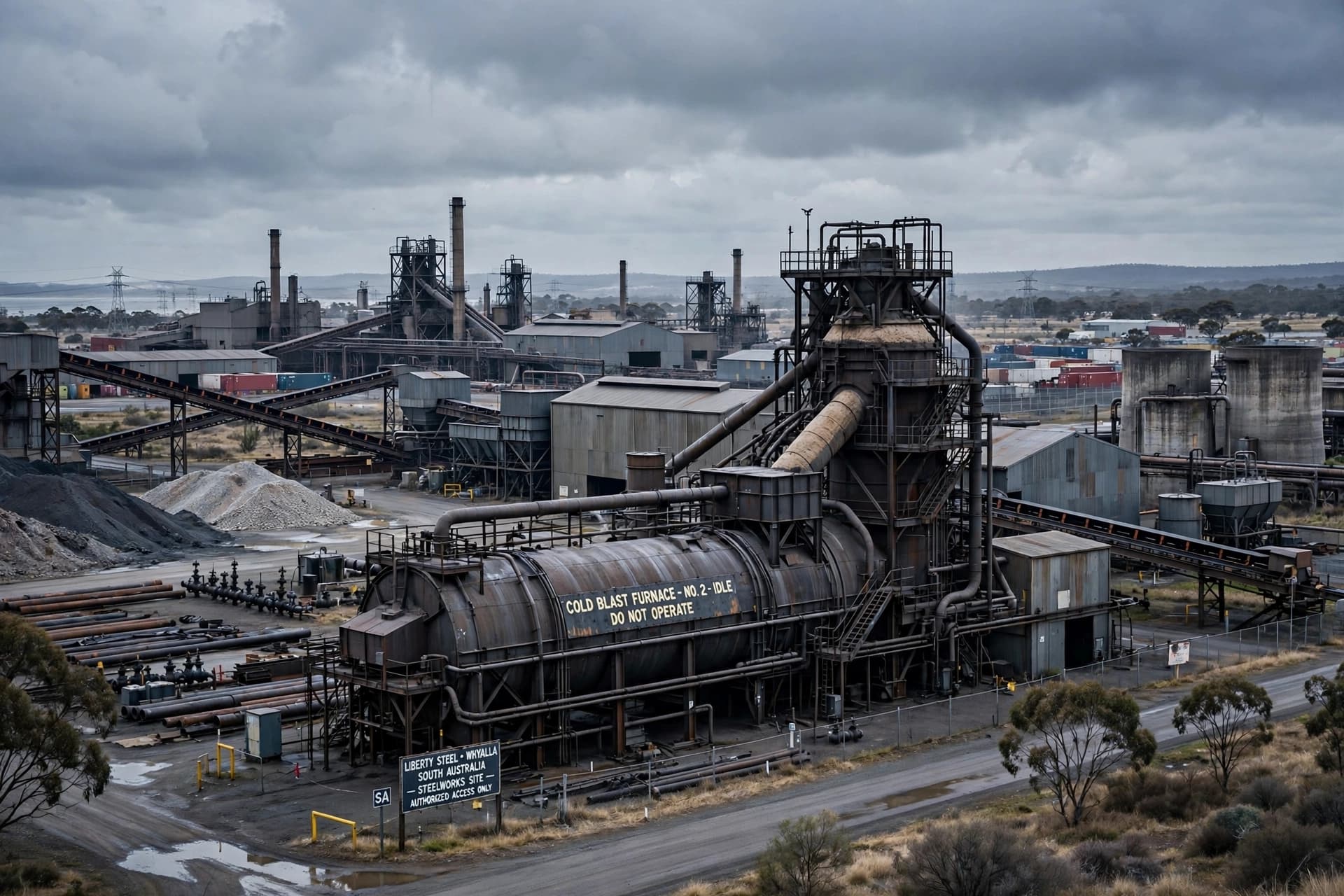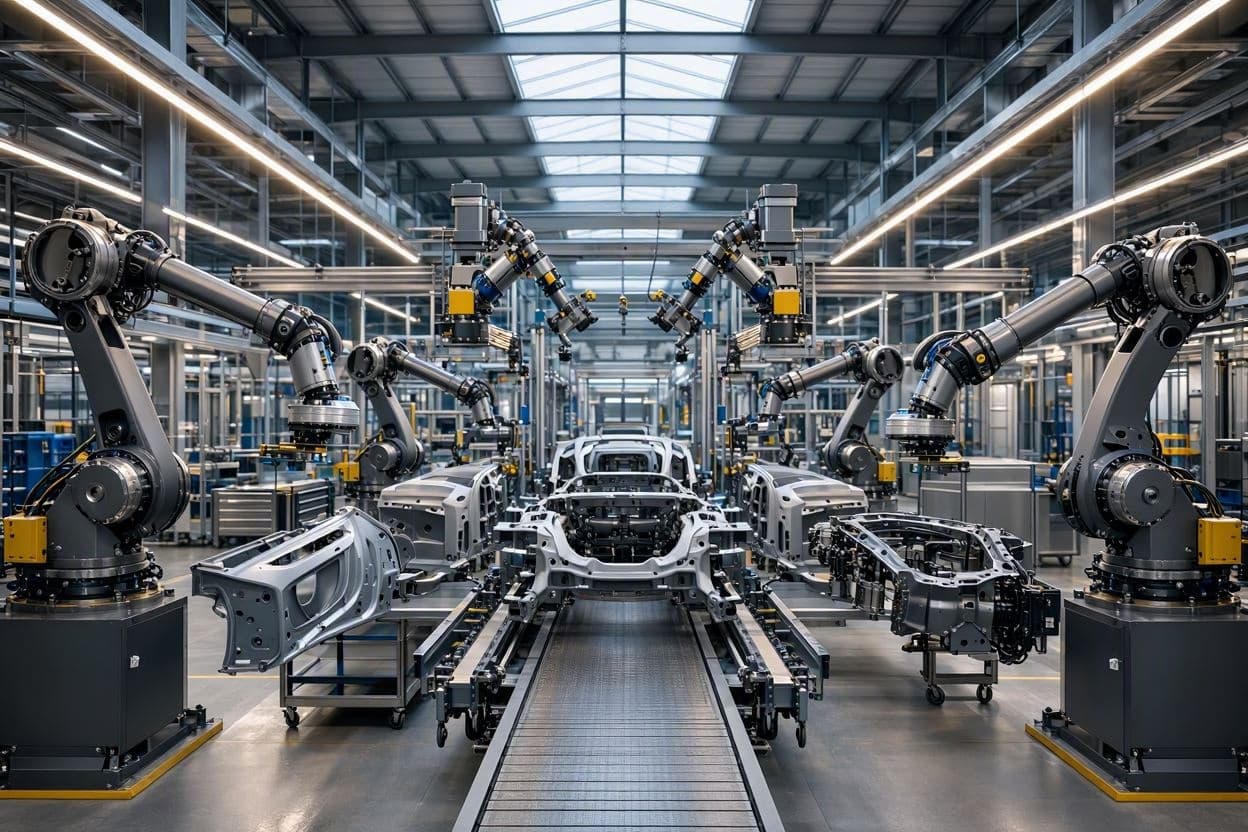
In the heart of Europe’s industrial powerhouse, a quiet shift is underway, one that challenges long-held assumptions about global competitiveness. German manufacturers, renowned for their precision engineering and enduring quality, are increasingly finding themselves in a spirited dance with Chinese counterparts who are moving with remarkable speed and ambition. This evolving dynamic is not merely a matter of market share but reflects a broader transformation in how value is created and captured in the modern economy. The sentiment among business leaders suggests a need for adaptation rather than alarm, as the lines between competitor and collaborator continue to blur.
Recent surveys indicate that a significant portion of German companies now view Chinese firms as direct competitors in their home market and abroad. This perception marks a departure from earlier decades when China was primarily seen as a source of low-cost labor or a vast consumer market. Today, Chinese enterprises are leveraging advanced technology, state support, and aggressive innovation strategies to challenge established players in sectors ranging from automotive to renewable energy. The pressure is palpable, prompting a reevaluation of strategic priorities across the board.
The automotive industry, a cornerstone of the German economy, stands at the forefront of this transition. Electric vehicle production in China has surged, with domestic brands offering competitive prices and sophisticated features that appeal to global consumers. For German automakers, this means not only defending their traditional strongholds but also accelerating their own electrification efforts. The race is no longer just about horsepower but about software integration, battery efficiency, and supply chain resilience.
Beyond cars, the machinery and chemical sectors are also feeling the heat. Chinese manufacturers have moved up the value chain, producing high-quality industrial equipment that rivals European standards. This progress is supported by substantial investment in research and development, allowing them to innovate rapidly. German firms, while still holding advantages in specialized niche markets, recognize that complacency is no longer an option. The need to differentiate through superior service and customization becomes ever more critical.
Despite the competitive tension, many German businesses maintain complex interdependencies with Chinese partners. Supply chains are deeply intertwined, with components crossing borders multiple times before reaching the final assembly line. Decoupling entirely is neither feasible nor desirable for most companies. Instead, the focus is shifting toward diversification, seeking to balance risks by expanding operations in other regions such as Southeast Asia and North America. This strategy aims to preserve access to the Chinese market while reducing vulnerability to geopolitical shifts.
The survey results also highlight a psychological adjustment within the corporate culture. There is a growing acknowledgment that the era of unchallenged Western dominance in manufacturing is giving way to a more multipolar world. This realization fosters a sense of urgency but also offers opportunities for learning. By studying the agility and digital integration of Chinese rivals, German firms can identify areas for internal improvement. Collaboration in areas like sustainability standards may also provide common ground amidst competition.
As the global economic landscape continues to evolve, the relationship between German and Chinese industries will likely remain complex. It is a mix of rivalry, dependence, and mutual influence. For German firms, the path forward involves embracing innovation, enhancing efficiency, and maintaining the high standards that have defined their reputation. The pressure from Chinese rivals serves as a catalyst for renewal, pushing established giants to adapt to a faster-paced world.
The survey underscores a pivotal moment for German industry, where competitive pressure from China drives strategic reassessment and innovation. While challenges persist, the response focuses on adaptation and diversification, ensuring resilience in an increasingly interconnected global market.
AI Image Disclaimer: Please be aware that any visual accompaniments to this text are digitally generated illustrations intended for conceptual representation.
Sources: Reuters Financial Times Handelsblatt Deutsche Welle
Published by Banx Network. This article is part of the Banx decentralized media programme, powered by the BXE token on the XRP Ledger.