Banx Media Platform logo
TECHNOLOGYSocial MediaAR/VRHappening NowFeatured

China Tests Deep-Sea Electro-Hydrostatic Actuator Capable of Cutting Undersea Cables at 3,500 Meters

China has successfully tested a deep-sea electro-hydrostatic actuator designed to cut undersea cables at depths of up to 3,500 meters. This development raises concerns about maritime security and the potential for disruptions in global communications.

J

John Lewis

EXPERIENCED
5 min read
8 Views
Credibility Score: 87/100
China Tests Deep-Sea Electro-Hydrostatic Actuator Capable of Cutting Undersea Cables at 3,500 Meters

In a significant technological advancement, China has conducted successful tests on a deep-sea electro-hydrostatic actuator capable of severing undersea cables at depths of 3,500 meters. This actuator represents a crucial innovation in deep-sea technology but raises alarms regarding maritime security and the implications for global communication networks.

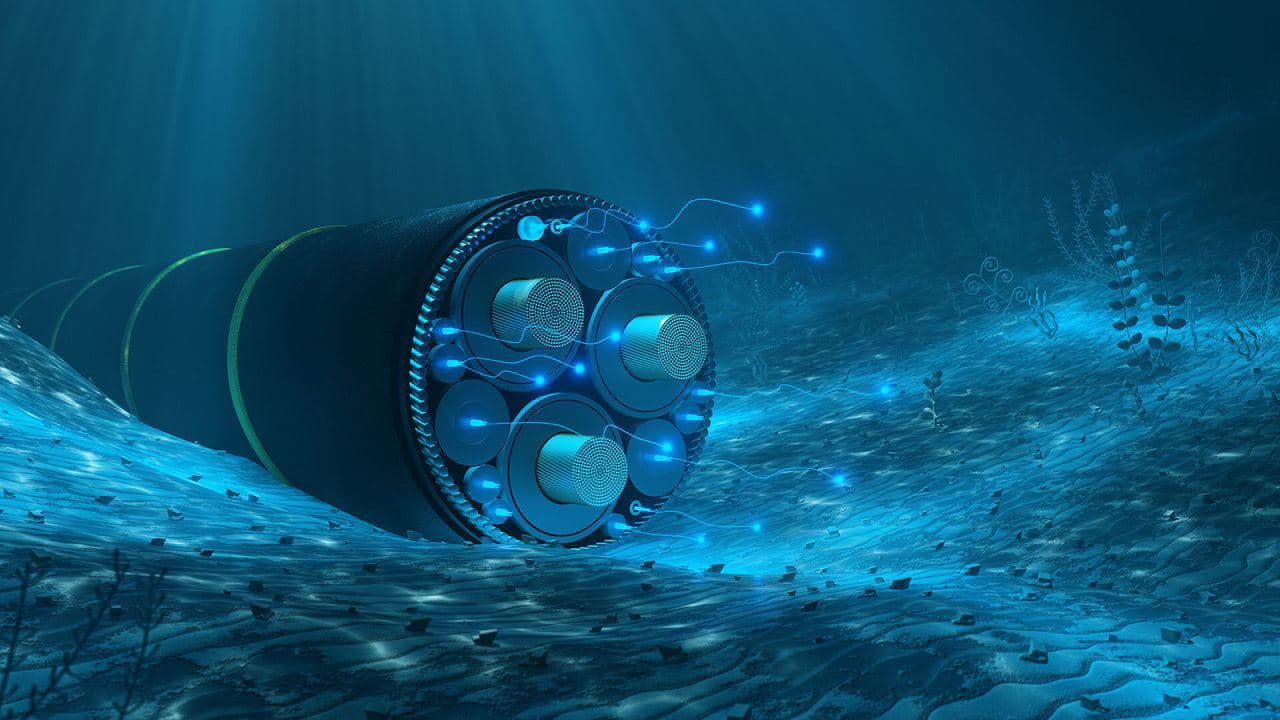
Undersea cables are vital for international telecommunications, transmitting approximately 95% of global data. The ability to manipulate these cables poses serious risks, including potential disruptions in internet connectivity and financial systems worldwide.

China's recent test highlights its growing capabilities in deep-sea operations, which are increasingly being scrutinized by international observers. The implications of this technology extend beyond just technical prowess; they tap into broader geopolitical concerns regarding the security of critical undersea infrastructure.

Experts emphasize the need for heightened awareness and protective measures for undersea cables, considering the strategic significance they hold. As nations become more reliant on digital communication, safeguarding these cables from potential sabotage or disruption is paramount for maintaining stability in global trade and information exchange.

This development prompts discussions around the balance of power in maritime technology and the responsibilities of nations in ensuring the security of international communication networks. As China continues to enhance its deep-sea capabilities, the world must consider the broader implications of such advancements on global security and cooperation.

Published by Banx Network. This article is part of the Banx decentralized media programme, powered by the BXE token on the XRP Ledger.


Decentralized Media

Powered by the XRP Ledger & BXE Token

This article is part of the XRP Ledger decentralized media ecosystem. Become an author, publish original content, and earn rewards through the BXE token.

Newsletter

Stay ahead of the news — and win free BXE every week

Subscribe for the latest news headlines and get automatically entered into our weekly BXE token giveaway.

No spam. Unsubscribe anytime.

Share this story

Help others stay informed about crypto news

Related articles

Keep exploring the latest stories.

View more
Between Green Energy and Machine Intelligence, Singapore Builds New Digital Capacity Across Its Limited Urban Space

Between Green Energy and Machine Intelligence, Singapore Builds New Digital Capacity Across Its Limited Urban Space

Singapore approved 200MW of new data center capacity for four operators, requiring more than half the power to come from green sources.

U.S. Presses South Korean Firms to Build Memory-Chip Plants in America

U.S. Presses South Korean Firms to Build Memory-Chip Plants in America

The U.S. has named South Korea’s Honam chip cluster while urging Korean companies to build memory plants on American soil.

Where Indonesia's Digital Future Meets the Sea, New Submarine Cables Quietly Connect Islands and Economies

Where Indonesia's Digital Future Meets the Sea, New Submarine Cables Quietly Connect Islands and Economies

Indonesia is expanding submarine cable infrastructure to strengthen internet connectivity between major islands and support growing digital and cloud demand.