DECENTRALIZED MEDIA IS LIVE POWERED BY
Banx Media Platform logo
SCIENCEMedicine ResearchPhysicsHappening NowFeatured

China detains U.S. seismologist tied to study of North Korean nuclear tests

A U.S. seismologist who has researched seismic signatures linked to North Korean nuclear explosions is reported detained in China, raising concern over scientific work and cross-border access.

J

JoJo

INTERMEDIATE
1 min read
6 Views
China detains U.S. seismologist tied to study of North Korean nuclear tests

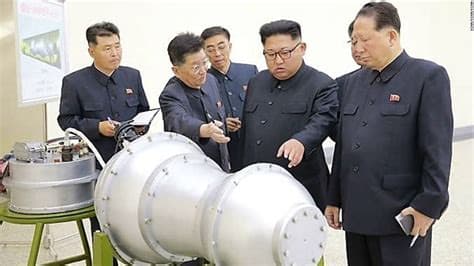
A U.S. seismologist who has studied seismic data associated with North Korea’s nuclear tests has been detained in China, according to reports. The case highlights how sensitive monitoring and research tied to the Korean Peninsula can become amid broader tensions between Washington and Beijing. Authorities have not publicly detailed the charges or timeframe for release. Supporters of the scientist say the work focuses on analyzing earthquakes and explosions using global monitoring networks. The detention is expected to complicate collaboration involving researchers in the region.

Published by Banx Network. This article is part of the Banx decentralized media programme, powered by the BXE token on the XRP Ledger.


Decentralized Media

Powered by the XRP Ledger & BXE Token

This article is part of the XRP Ledger decentralized media ecosystem. Become an author, publish original content, and earn rewards through the BXE token.

Newsletter

Stay ahead of the news — and win free BXE every week

Subscribe for the latest news headlines and get automatically entered into our weekly BXE token giveaway.

No spam. Unsubscribe anytime.

Share this story

Help others stay informed about crypto news

Related articles

Keep exploring the latest stories.

View more
Francis Halzen and the Ghost Particles That Won a Nobel

Francis Halzen and the Ghost Particles That Won a Nobel

Francis Halzen has won the 2026 Nobel Prize in Physics for his work building the IceCube Neutrino Observatory at the South Pole and discovering high-energy ast…

When Dead Galaxies Appear Too Soon

When Dead Galaxies Appear Too Soon

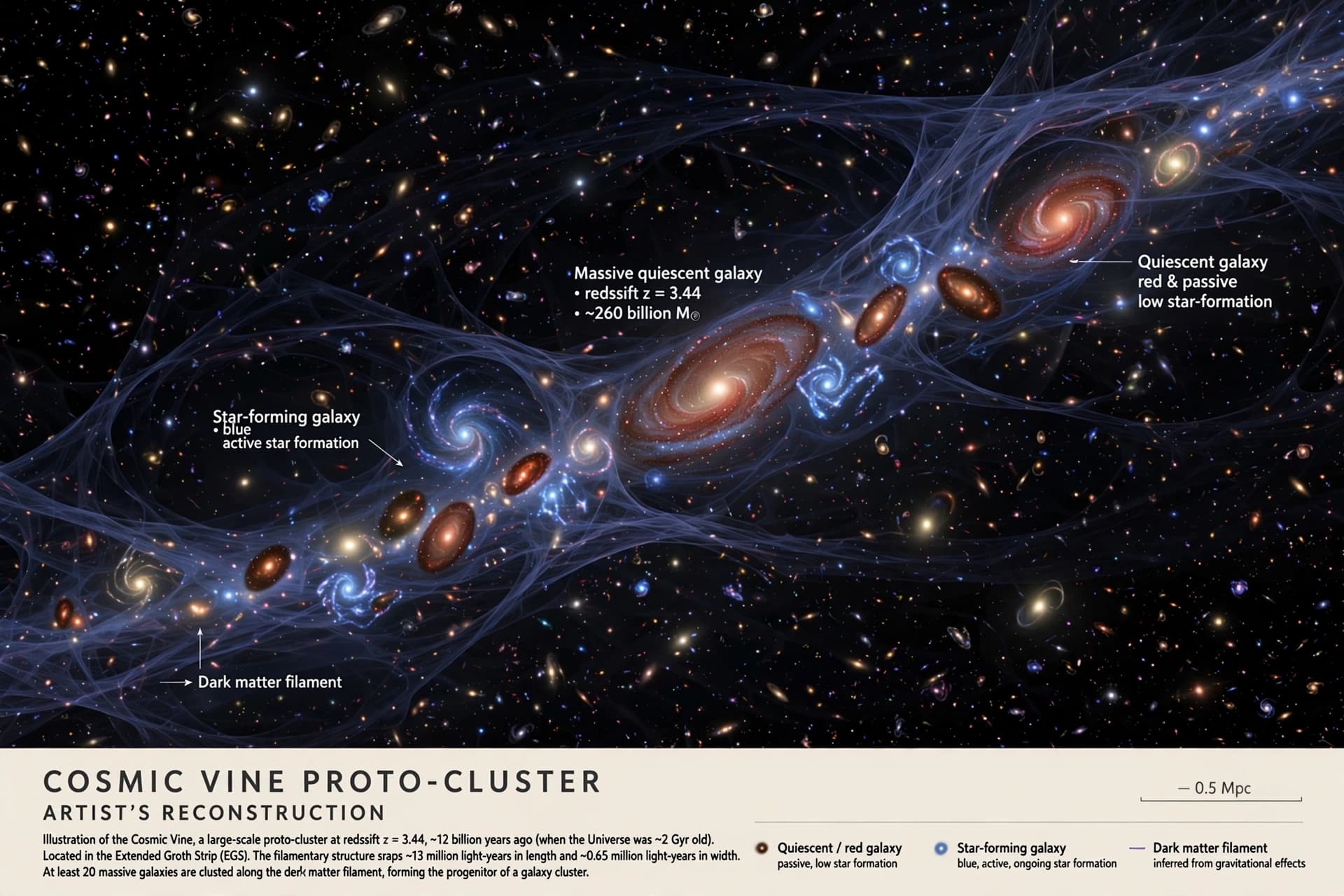
James Webb observations of the Cosmic Vine proto-cluster reveal 11 dead galaxies and a mature red sequence just 1.8 billion years after the Big Bang, challengi…

Superhabitable Worlds: The Planets Better Than Ours

Superhabitable Worlds: The Planets Better Than Ours

Astrobiologists propose that superhabitable worlds—larger, warmer, older planets orbiting stable K-dwarf stars—may be more suitable for complex life than Earth…