The powers of the presidency in matters of war and peace are among the most significant and debated aspects of American governance. Recently, the House of Representatives took a historic step by voting to limit military action against Iran. This vote, the first of its kind since the breakdown of a ceasefire, represents a rare assertion of congressional authority over foreign policy. It invites reflection on the balance of power between branches of government and the desire for legislative oversight in times of conflict.
Body: The resolution passed by a narrow margin, with a small number of Republicans joining Democrats in support. It directs the President to withdraw U.S. forces from hostilities with Iran unless Congress explicitly authorizes further action. This move comes amid growing concern about the escalation of tensions in the Middle East and the lack of a formal declaration of war. For many lawmakers, the vote was a necessary check on executive power, ensuring that decisions of such magnitude have democratic legitimacy.
The context of the vote is crucial. Following the collapse of a ceasefire, military engagements had increased, raising fears of a broader regional conflict. Critics of the administration argued that the current level of involvement lacked clear objectives and congressional approval. By passing this resolution, the House signaled its intent to reassert its constitutional role in declaring war, a power that has often been sidelined in modern conflicts.
Supporters of the resolution emphasized the importance of diplomacy over military force. They argued that continued engagement without a clear strategy could lead to unintended consequences and prolonged instability. The vote reflects a broader sentiment among the public and policymakers that military action should be a last resort, undertaken only with broad consensus and clear goals.
Opponents, including leadership from the President’s party, criticized the measure as undermining national security and supporting adversaries. They argued that the President needs flexibility to respond to threats and protect American interests abroad. The debate highlighted the perennial tension between security concerns and democratic accountability, a balance that is difficult to strike in a rapidly changing global landscape.
The Senate is expected to consider a similar resolution, though its passage is less certain. If both chambers approve, the resolution would go to the President, who has indicated a willingness to veto such measures. Despite the likely veto, the vote in the House serves as a powerful political statement. It demonstrates that there is significant bipartisan concern about the direction of U.S. foreign policy in the region.
Historically, war powers resolutions have had mixed success. While they rarely stop military action directly, they influence public discourse and pressure administrations to justify their strategies. This vote adds to the legacy of congressional efforts to define the limits of presidential war powers, contributing to the ongoing evolution of constitutional interpretation.
For the international community, the vote sends a message about the internal dynamics of U.S. decision-making. It shows that American foreign policy is subject to debate and dissent, reflecting the complexities of a democratic society. Allies and adversaries alike watch these developments closely, assessing the stability and consistency of U.S. commitments.
Closing: The House vote to limit war powers in Iran is a significant moment in contemporary American politics. It underscores the enduring relevance of congressional oversight and the public’s desire for transparency in matters of war and peace. As the debate continues, the principles of democracy and accountability remain at the forefront of the national conversation.
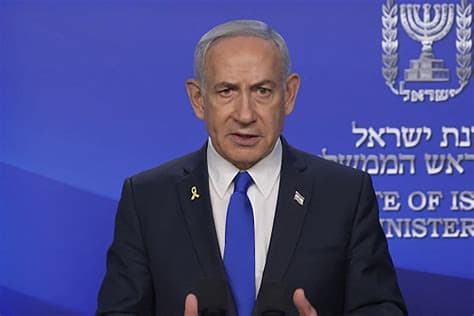
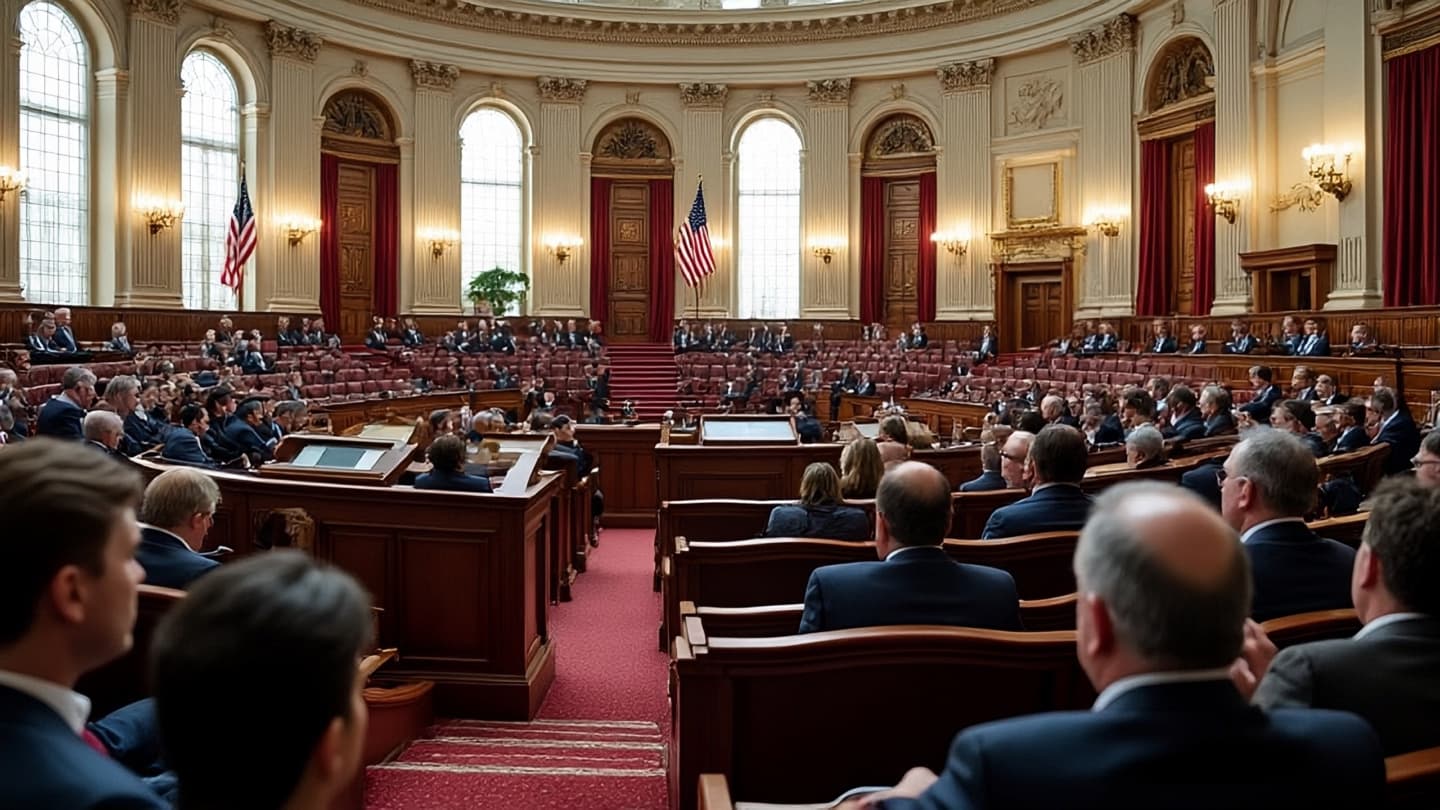
AI Image Disclaimer: Images included here are AI-generated conceptual illustrations of the U.S. Capitol and diplomatic symbols, designed to visualize the themes of legislative power and international relations.
Sources: NPR The Washington Post Associated Press CNN
Published by Banx Network. This article is part of the Banx decentralized media programme, powered by the BXE token on the XRP Ledger.