Above the shimmer of Earth, satellites trace their silent paths, some decades old, others recently launched, all weaving an invisible web across the sky. Among them, fragments of past missions—forgotten panels, detached antennas, tiny shards of once-mighty spacecraft—drift unseen. Scientists now propose a method to track these drifting relics, a “shot-spotter” for space debris, designed to locate what is dangerous before it collides with the vessels of today’s explorers. From the quiet expanse of orbit, this technology feels less like monitoring and more like listening to the echoes of our own ambitions.
The challenge is immense. Space is vast, yet even millimeters of material can spell disaster for orbiting instruments traveling at thousands of kilometers per hour. Using advanced sensors and novel detection techniques, researchers aim to map these wandering fragments with precision, turning a potential hazard into a chartable landscape. Each flash of light or subtle shift in trajectory becomes a clue, a whisper from an old satellite that has long completed its mission but continues to inhabit the heavens. In doing so, humanity begins to reconcile with the detritus of its own ingenuity, acknowledging that exploration leaves both marvel and debris in its wake.
In observing the cosmos, the technique embodies foresight and humility. We reach for the stars, yet must remain mindful of the delicate balance between innovation and preservation. This “shot-spotter” offers more than safety—it offers reflection, a reminder that our ventures beyond Earth are not solitary acts but ongoing dialogues with the objects, both old and new, that share the orbital stage. To look for debris is to confront our history in space, to prepare for the future with eyes wide open, and to cherish the fragile harmony that allows exploration to continue safely.
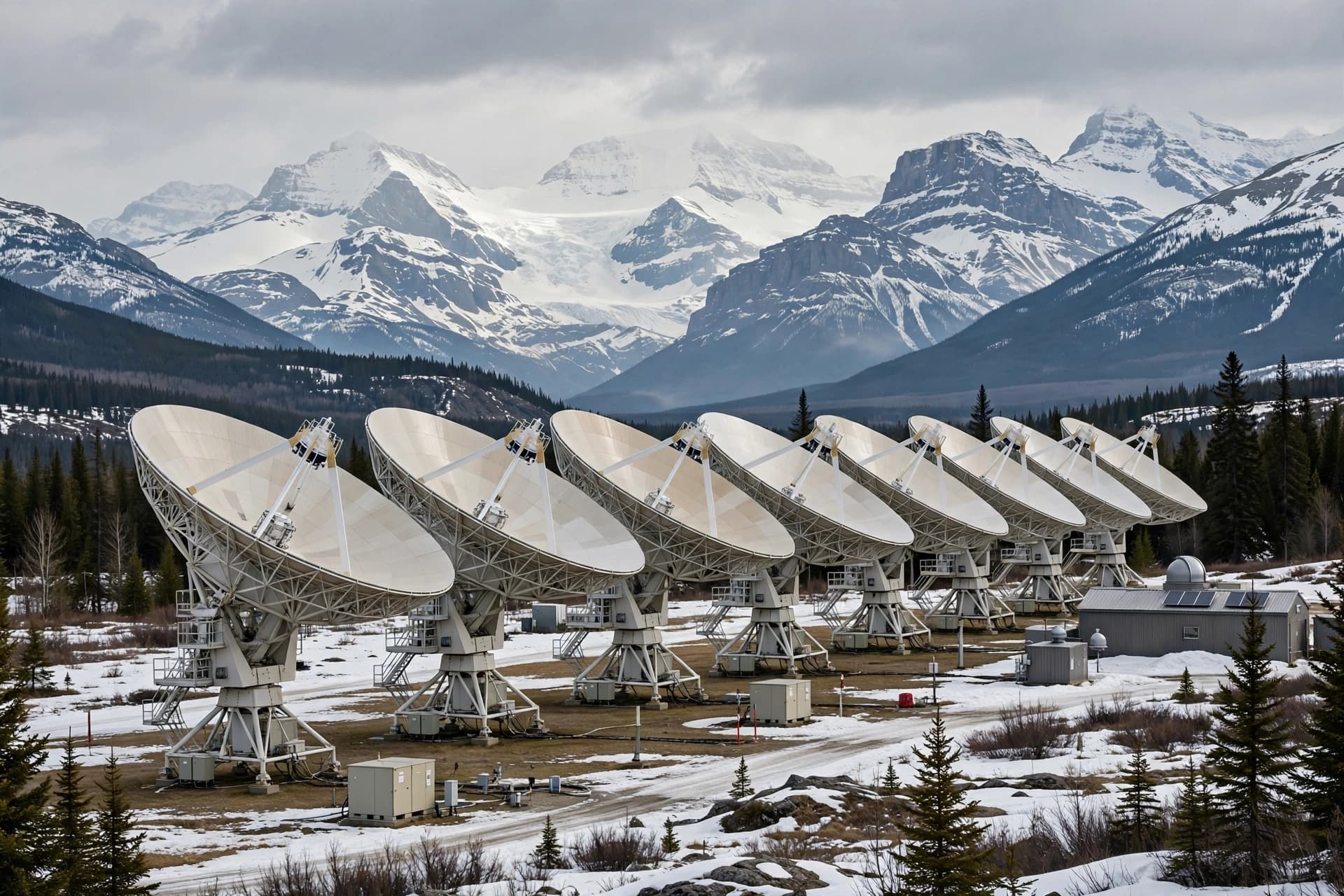
AI Image Disclaimer Visuals are AI-generated and serve as conceptual representations.
Sources NASA; ESA; Space.com; Scientific American; IEEE Spectrum
Published by Banx Network. This article is part of the Banx decentralized media programme, powered by the BXE token on the XRP Ledger.