Across the wide lawns of diplomatic estates and the quiet corridors of government buildings, conversations between allies often unfold in carefully measured tones. The relationship between the United States and the United Kingdom has long carried the language of partnership—phrases like “special relationship” repeated across decades of shared wars, negotiations, and political transitions.
Yet diplomacy, like the sea routes that once linked the two nations’ histories, can sometimes encounter unexpected currents.
During recent discussions between former U.S. President Donald Trump and British Prime Minister Keir Starmer, one such moment surfaced in the language of military cooperation. According to reports from officials familiar with the exchange, Trump signaled that the United States did not require British aircraft carriers or additional naval support in the unfolding confrontation involving Iran. His message, delivered bluntly, suggested that American forces already possessed the capabilities needed for their current operations.
The remark arrived against the backdrop of an increasingly tense regional conflict, as the United States and Israel continue military actions linked to Iran’s missile and nuclear infrastructure. In such circumstances, allied governments often coordinate closely, weighing how each nation might contribute—through military assets, intelligence sharing, or diplomatic pressure.
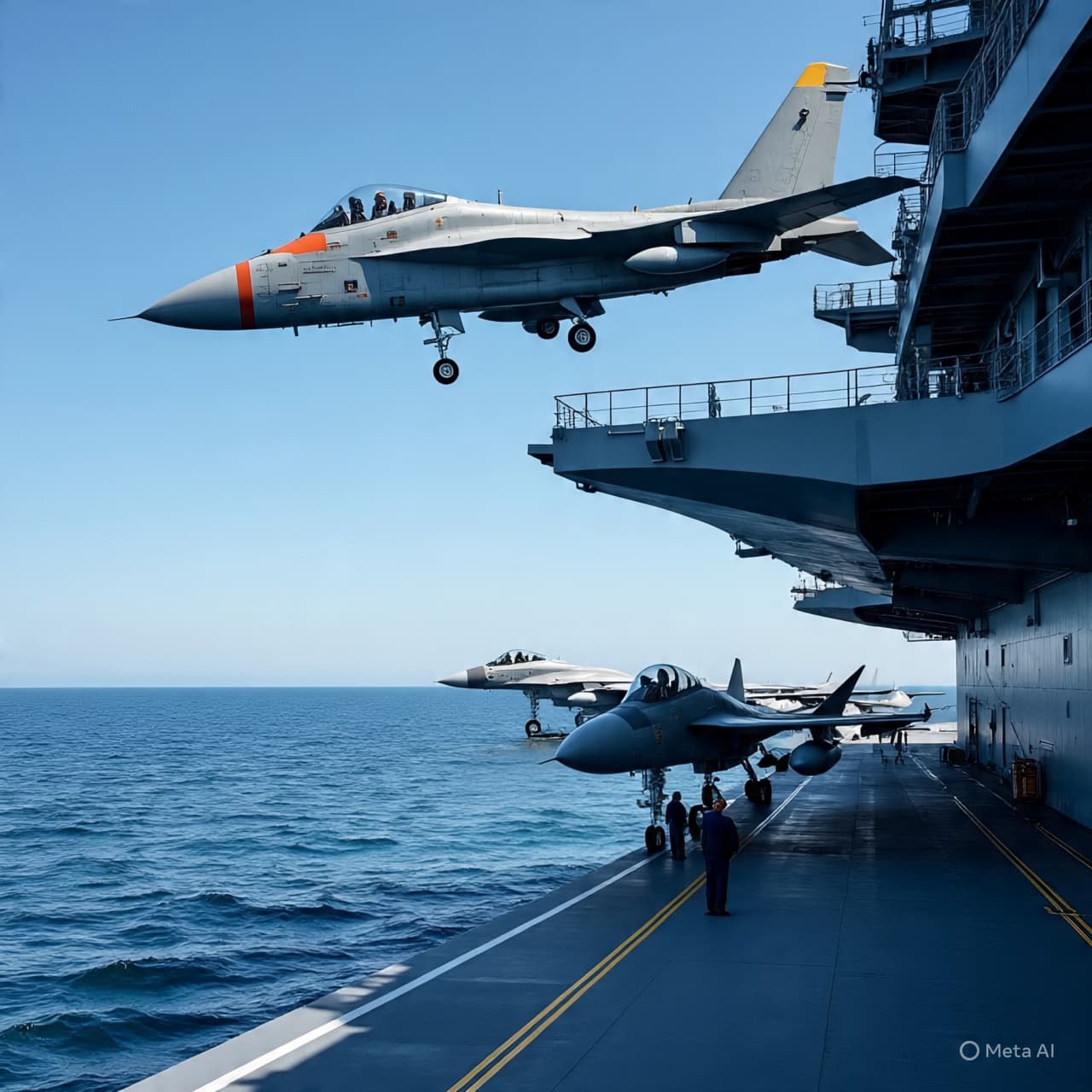
For the United Kingdom, naval power remains one of its most visible symbols of global reach. The Royal Navy’s modern aircraft carriers, HMS Queen Elizabeth and HMS Prince of Wales, represent the centerpiece of Britain’s maritime defense strategy. These vessels, capable of launching advanced fighter jets and supporting multinational operations, are often described as floating airbases designed to project power far beyond the British coastline.
In moments of international crisis, the presence of such ships can carry both practical and symbolic meaning. Deployments signal readiness and solidarity, particularly among NATO allies that have historically operated side by side in conflicts from the Persian Gulf to the North Atlantic.
Trump’s comment, however, appeared to frame the situation differently. According to accounts of the conversation, the former president emphasized the scale of American military resources already operating in the region. The United States maintains a vast naval presence across the Middle East, including aircraft carrier strike groups, destroyers, submarines, and air bases positioned throughout the Gulf and surrounding waters.
From that perspective, additional carriers—even from a close ally—might not alter the immediate balance of the battlefield.
The exchange reflects a broader dynamic that has occasionally surfaced in transatlantic relations: the tension between American military dominance and the contributions offered by European partners. While NATO remains the cornerstone of Western security cooperation, debates over burden-sharing and operational roles have periodically shaped discussions between Washington and its allies.
For Britain, the conversation arrives during a period when the government is seeking to demonstrate both strategic independence and commitment to allied defense. The Royal Navy’s carrier program, revived after years without such vessels, is often presented as evidence that the country retains the ability to operate globally alongside partners like the United States.
Yet alliances rarely move along perfectly synchronized paths. Each government must balance its own political priorities, military assessments, and diplomatic messaging when responding to crises.
In this instance, Trump’s remark did not signal a rupture in relations, but rather a moment of blunt realism within an alliance accustomed to more polished phrasing. The United States, with its vast fleet and network of bases, often acts as the central military force in coalition operations. Britain, while smaller in scale, frequently contributes specialized capabilities and political support that reinforce collective action.
As tensions in the Middle East continue to unfold, those patterns of cooperation will likely remain in motion—sometimes harmonious, sometimes uneven, but still rooted in a partnership shaped by decades of shared strategy.
In the quiet language of diplomacy, even a short sentence can reveal the larger geometry of power. “We don’t need your aircraft carriers,” Trump reportedly told Starmer—a remark that, for a moment, illuminated the complex balance between alliance, capability, and independence that defines modern military partnerships.
AI Image Disclaimer Visuals are AI-generated and serve as conceptual representations.
Sources Reuters BBC News The Guardian Politico Financial Times
Published by Banx Network. This article is part of the Banx decentralized media programme, powered by the BXE token on the XRP Ledger.