Progress in health rarely arrives with spectacle. More often, it moves softly — through documents, deliberations, and signatures that carry the weight of many waiting lives. For those who depend on treatment, these moments do not feel technical. They feel personal.
This week, such a moment unfolded in Brazil.
The National Health Surveillance Agency, Anvisa, approved the expansion of the authorized use of medicinal cannabis in the country. The decision broadens the possibilities for prescriptions and therapeutic applications, reinforcing a regulatory path that has gradually taken shape over recent years.
The measure allows health professionals greater flexibility in recommending cannabis-based products, especially in cases where conventional treatments have proven insufficient. Conditions such as chronic pain, neurological disorders, and other illnesses already recognized within medical protocols may now be approached with fewer regulatory barriers.
According to Anvisa, the expansion is grounded in scientific evaluation and aims to ensure patient safety while responding to growing medical demand. The agency reaffirmed that products must continue to meet strict quality, prescription, and monitoring requirements.
For families who have long navigated court orders, imports, and bureaucratic delays, the approval carries symbolic meaning. It suggests recognition — not only of emerging scientific evidence, but of the lived experiences of patients who report improvement through regulated cannabis-based therapies.
The topic has historically stirred debate in Brazil, often entangled with stigma and misunderstanding. Yet the agency’s decision emphasizes a separation between medicinal use and recreational discussions, placing the focus squarely on healthcare and medical responsibility.
Physicians remain required to evaluate each case individually, and prescriptions must follow established criteria. The expansion does not represent unrestricted access, but rather a controlled adjustment intended to align regulation with evolving research.
As the policy takes effect, oversight will continue through Anvisa’s monitoring systems, ensuring traceability, professional accountability, and patient protection.
In practice, the change reflects a broader movement within global medicine — one that acknowledges that treatment evolves alongside evidence, and that caution does not necessarily mean immobility.
For now, the approval does not promise cure. It offers possibility.
And for many patients across the country, possibility is already a form of relief.
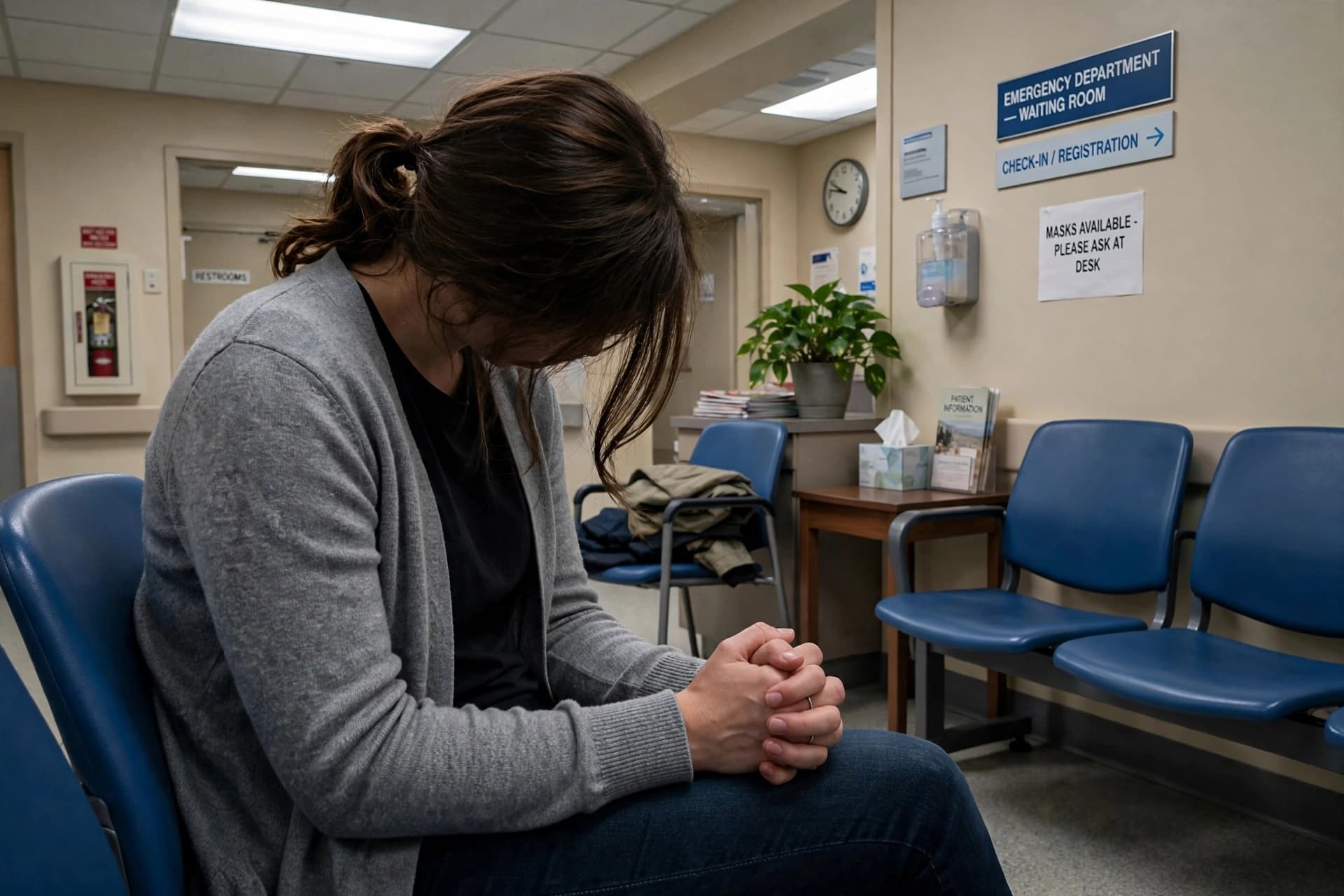
AI Image Disclaimer Visuals are created with AI tools and are not real photographs.
Sources: Agência Brasil G1 UOL CNN Brasil Valor Econômico
Published by Banx Network. This article is part of the Banx decentralized media programme, powered by the BXE token on the XRP Ledger.