At dawn in many rural landscapes, the sound of livestock stirring is not merely a signal of morning but a quiet testament to global food security. Cattle, pigs, sheep, and goats move through routines shaped by centuries of coexistence with humans. Yet hovering invisibly among these rhythms is a disease so swift and disruptive that it can redraw economic maps in a matter of weeks. Foot-and-mouth disease has long been such a presence, arriving not with drama but with consequence, leaving trade halted, animals culled, and livelihoods suspended.
In this context, the promise of a new or improved vaccine carries more than scientific significance. Researchers estimate that effective vaccination against foot-and-mouth disease could deliver up to $1.3 billion annually in global livestock benefits. This figure is not simply an accounting exercise. It represents avoided losses, stabilized markets, and reduced emergency responses that often arrive too late to prevent cascading damage.
Foot-and-mouth disease is known for its ability to spread rapidly among cloven-hoofed animals. Outbreaks frequently prompt immediate trade restrictions, even in countries with advanced veterinary systems. The economic cost often extends beyond infected herds, touching exporters, feed suppliers, transport networks, and national reputations in international markets. Vaccination, when effective and widely adopted, offers a quieter form of protection—one that works in advance rather than in reaction.
Recent research highlights how improved vaccines could change this pattern. Advances focus on broader strain coverage, longer-lasting immunity, and better alignment with international trade rules. In regions where vaccination has historically been avoided due to trade concerns, newer vaccine strategies may help balance disease control with market access. The projected $1.3 billion benefit reflects not only fewer outbreaks, but also smoother trade flows and greater confidence across supply chains.
The implications are especially significant for low- and middle-income countries, where livestock often serve as both income and insurance. In such settings, a single outbreak can erase years of incremental progress. Vaccines that are more effective, affordable, and easier to deploy could quietly reinforce resilience at the household level, while also contributing to global stability in meat and dairy markets.
Still, vaccination is not a solitary solution. Surveillance, biosecurity, and international cooperation remain essential companions. A vaccine can reduce risk, but its value is realized only when supported by systems that ensure timely delivery, proper use, and transparent reporting. The projected economic gains assume not perfection, but coordination.
As scientific development continues, the story of foot-and-mouth disease vaccination remains one of cautious optimism. It is a reminder that some of the most meaningful economic shifts do not arrive with fanfare. They arrive through prevention, through preparedness, and through tools that allow daily life on farms to continue uninterrupted.
In the end, a vaccine’s true value may lie less in the billions it saves than in the disruptions it quietly prevents. For a global livestock sector accustomed to reacting to crises, the prospect of steadier ground is, in itself, a notable change.
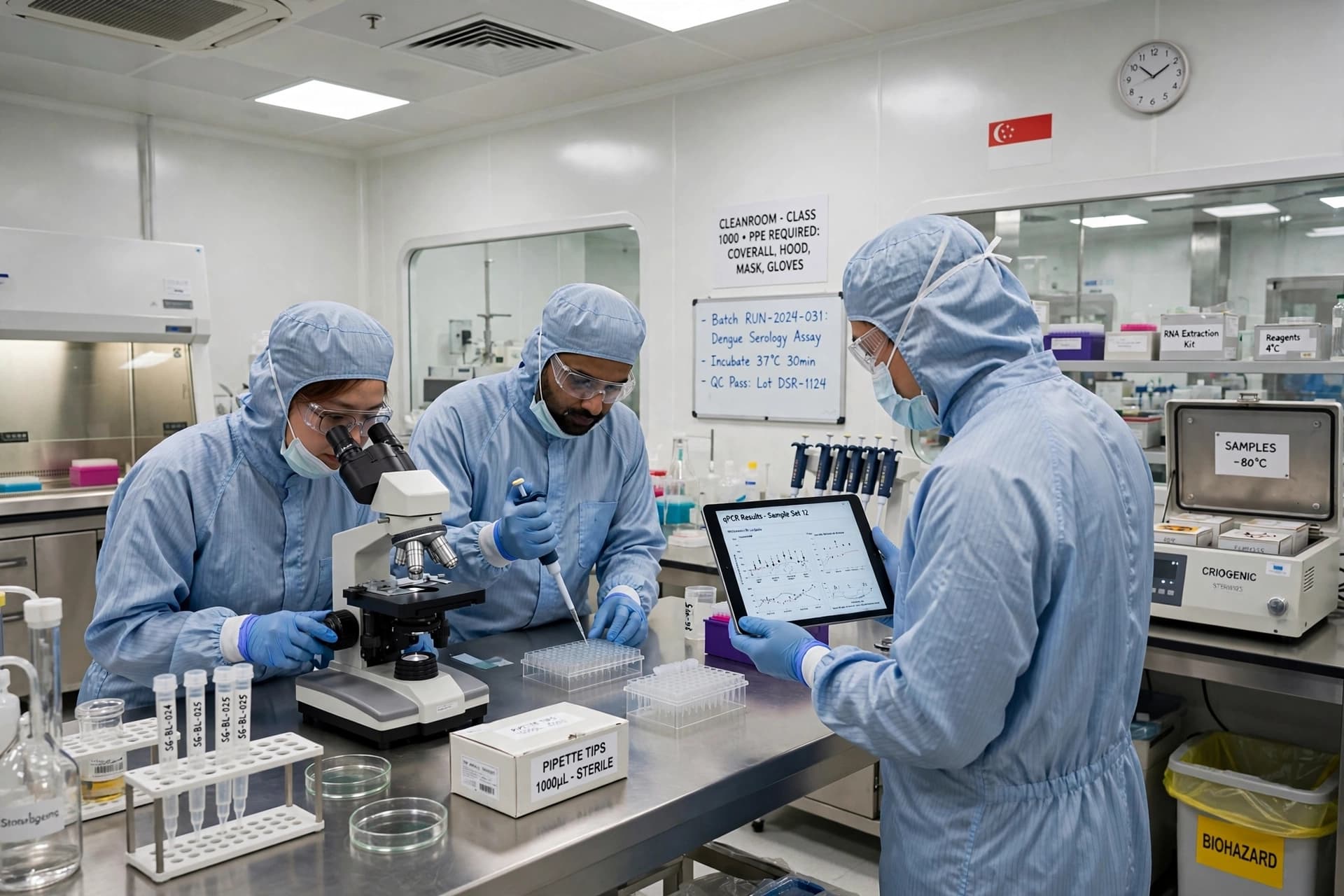
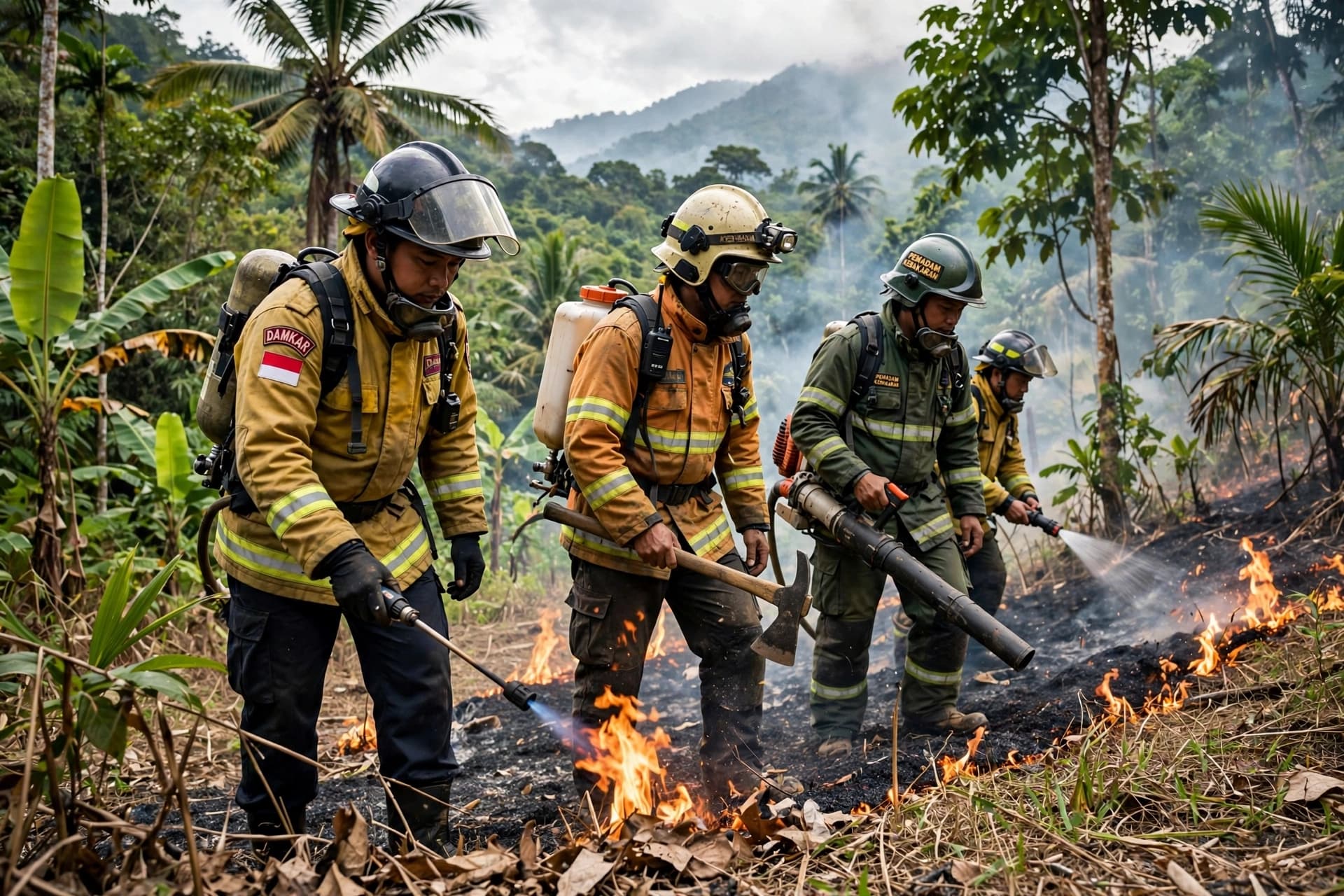
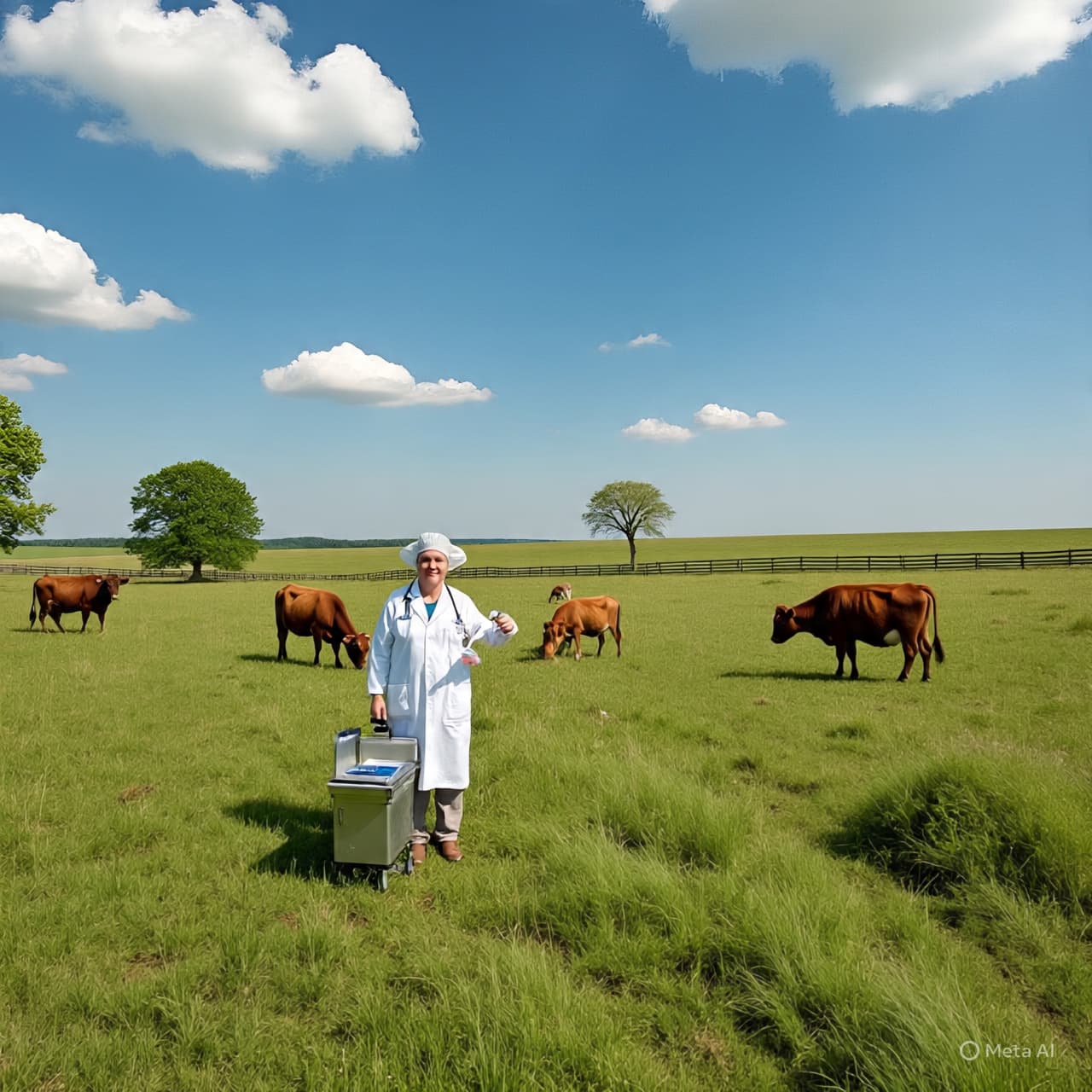
AI Image Disclaimer (Rotated Wording) Illustrations were produced using AI tools and are intended as conceptual representations, not real-world photographs.
Source Check (Credible & Relevant)
Food and Agriculture Organization of the United Nations World Organisation for Animal Health Nature Science Reuters
Published by Banx Network. This article is part of the Banx decentralized media programme, powered by the BXE token on the XRP Ledger.