Britain's telecommunications industry has entered another period of change with BT Group agreeing to acquire TalkTalk out of administration for £400 million. The transaction gives the troubled broadband provider a route forward while bringing another established brand into BT's wider operations.
Reuters reported that the acquisition includes TalkTalk's consumer and wholesale businesses. The deal comes after years of financial pressure on the company and reflects the difficult economics facing broadband providers competing in a mature market.
TalkTalk became one of Britain's best-known broadband brands by focusing heavily on value-oriented services. Over time, however, the company faced increasing competition from larger network operators and the cost of maintaining and upgrading telecommunications infrastructure.
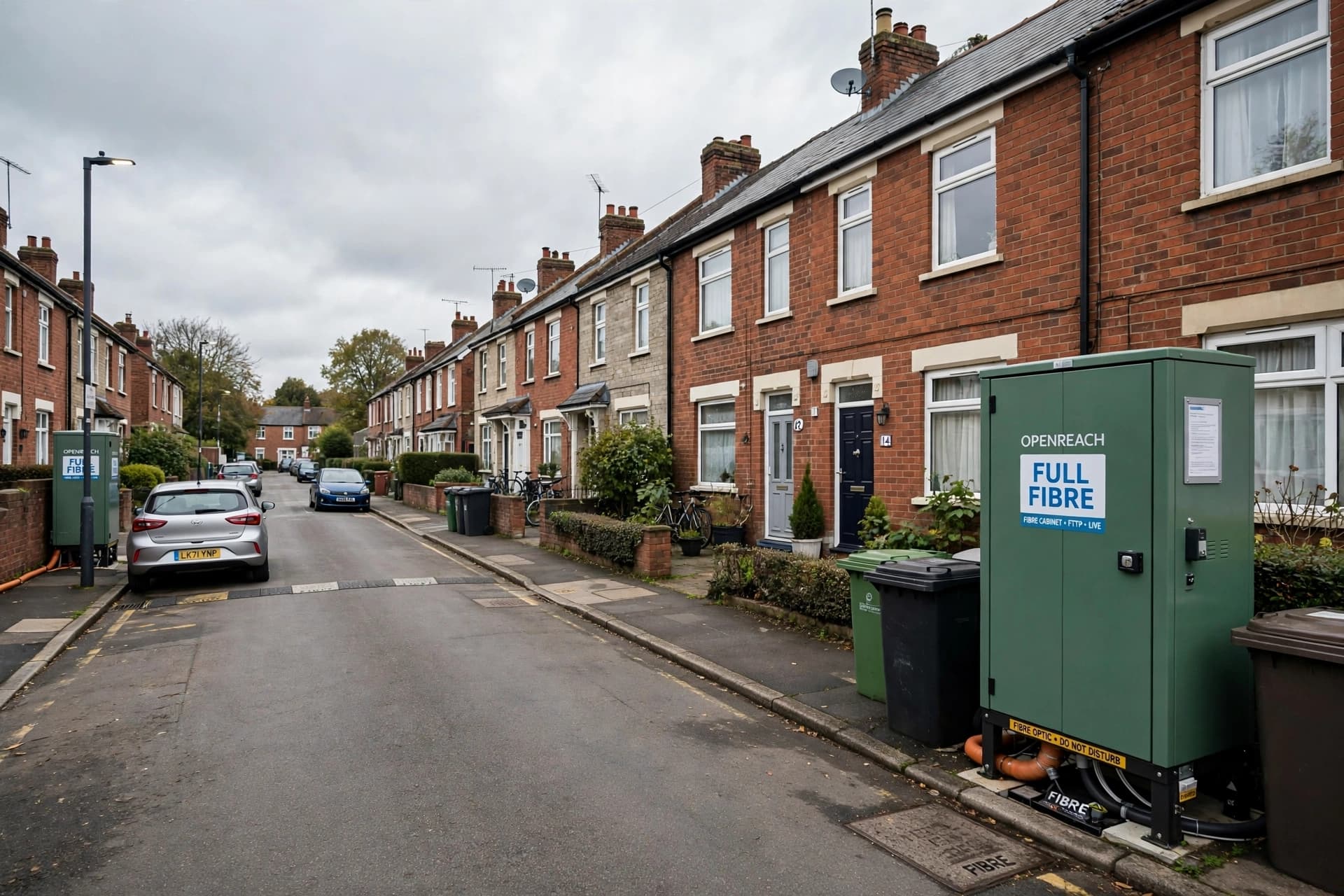
For BT, the acquisition provides an opportunity to bring additional customers and assets into its existing network ecosystem. The company has been investing heavily in full-fibre infrastructure as Britain gradually moves away from older copper-based broadband connections.
The shift toward full fibre has changed the economics of the industry. Building modern networks requires substantial capital, while operators also face pressure to keep consumer prices competitive.
TalkTalk's difficulties illustrate that tension. A telecommunications company can have millions of customers and a recognizable brand while still facing challenges generating enough cash to support the infrastructure required for the next generation of connectivity.
The acquisition also raises questions about competition. Britain has spent years encouraging multiple providers and network operators to compete in broadband services. Consolidation can create efficiencies, but it can also reduce the number of independent companies serving customers.
Regulators therefore play an important role in determining how telecommunications markets evolve. The balance is delicate: companies need enough scale to invest in networks, while consumers benefit when providers have meaningful incentives to compete.
For TalkTalk customers, the immediate significance of the deal will be practical rather than financial. Service continuity, pricing and customer support will matter more than the corporate structure behind the brand.
For BT, meanwhile, the transaction is another piece of a broader strategy around network scale and customer relationships. The company is attempting to position itself for a telecommunications market increasingly built around high-capacity fibre networks and growing demand for reliable digital connectivity.
The acquisition closes one uncertain chapter for TalkTalk while opening another. Britain's broadband landscape continues to evolve, and the companies that survive may increasingly be those capable of combining large-scale infrastructure with efficient customer services.
AI Image Disclaimer
This AI-generated illustration is intended for editorial purposes and does not depict an actual BT or TalkTalk transaction or facility.
Sources
Reuters BT Group TalkTalk Ofcom
Published by Banx Network. This article is part of the Banx decentralized media programme, powered by the BXE token on the XRP Ledger.