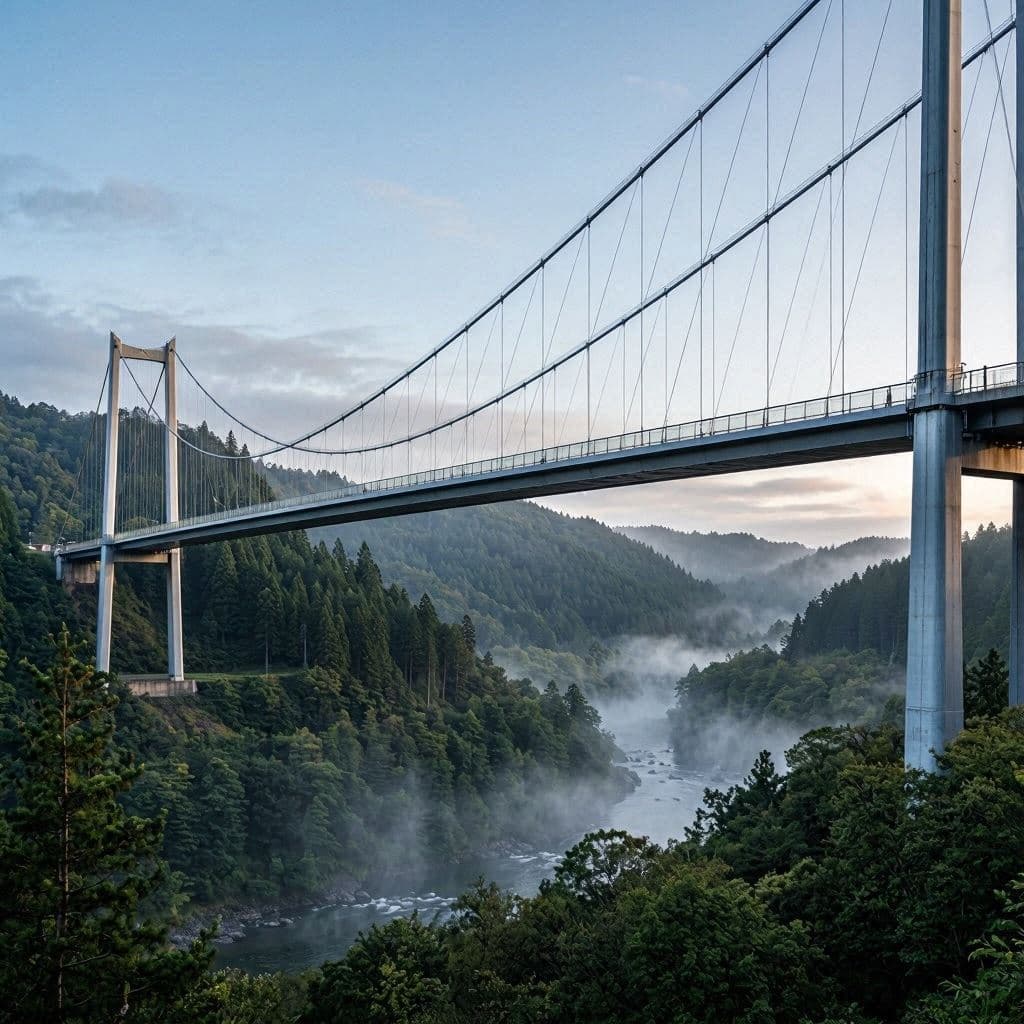
In the rugged landscapes of New Zealand, where mountains meet the sea, infrastructure often serves as more than just a means of transit; it is a testament to human ingenuity amidst nature’s grandeur. The anticipation for the country’s longest suspension bridge has built steadily, a structure poised to connect communities and redefine regional travel. With an official opening date finally announced, the project moves from blueprint to reality. This milestone invites reflection on how engineering bridges not only physical gaps but also social and economic divides, weaving together the fabric of remote regions with the pulse of modern connectivity.
Body: The bridge, spanning a significant waterway or valley, represents a major engineering feat tailored to withstand the unique environmental challenges of the region. Its design incorporates advanced materials and seismic resilience, ensuring safety in a land known for its geological activity. For local residents, the completion of this structure promises reduced travel times and improved access to essential services, transforming daily commutes from arduous journeys into manageable routines.
Beyond practical utility, the bridge stands as a symbol of regional development. It opens up opportunities for tourism, allowing visitors to explore previously hard-to-reach areas with ease. Local businesses anticipate a surge in foot traffic, hoping that increased accessibility will bring economic vitality to small towns. The structure is expected to become a landmark in its own right, drawing admiration from engineers and travelers alike.
The construction process was not without its challenges. Navigating strict environmental regulations and preserving the natural beauty of the surroundings required careful planning and collaboration between builders, ecologists, and community leaders. This balance between progress and preservation highlights a growing trend in modern infrastructure projects, where sustainability is as important as functionality.
Community engagement has been a cornerstone of the project. From initial consultations to the final stages of construction, local voices were heard, ensuring that the bridge serves the needs of those who live nearby. This participatory approach fosters a sense of ownership and pride, turning a public work into a shared achievement. The opening ceremony will likely celebrate not just the steel and cables, but the collective effort behind them.
As the opening date approaches, excitement builds among locals and officials. Preparations are underway to ensure a smooth inauguration, with safety checks and final inspections nearing completion. The bridge is ready to bear the weight of vehicles and the hopes of a community looking toward a more connected future. It stands as a promise kept, a link forged through patience and precision.
For New Zealand, this addition to its infrastructure network reinforces its reputation for innovative and resilient engineering. It serves as a reminder that even in isolated corners of the world, connection is possible. The bridge is more than a path; it is a pathway to opportunity, safety, and unity.
Closing: The upcoming opening of New Zealand’s longest suspension bridge marks a significant chapter in the nation’s infrastructural history. It offers a tangible benefit to residents and a symbolic gesture of progress. As cars begin to cross its span, they carry with them the potential for a more integrated and vibrant regional economy.
AI Image Disclaimer: The images accompanying this article are AI-generated conceptual illustrations of modern suspension bridges in mountainous landscapes, designed to visualize the themes of engineering and connectivity.
Sources: New Zealand Herald Stuff.co.nz Ministry of Transport New Zealand Local Regional Council Reports
Published by Banx Network. This article is part of the Banx decentralized media programme, powered by the BXE token on the XRP Ledger.