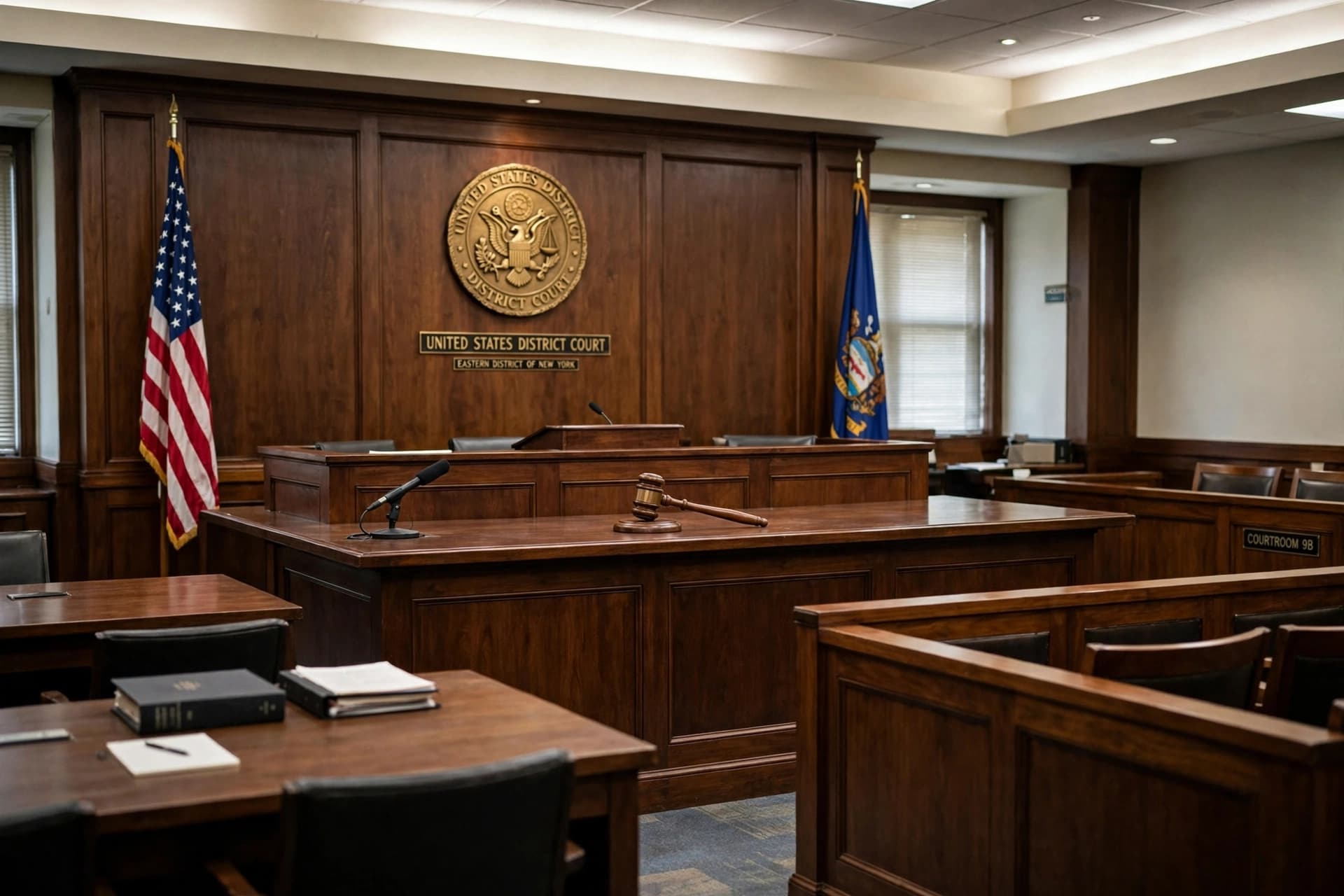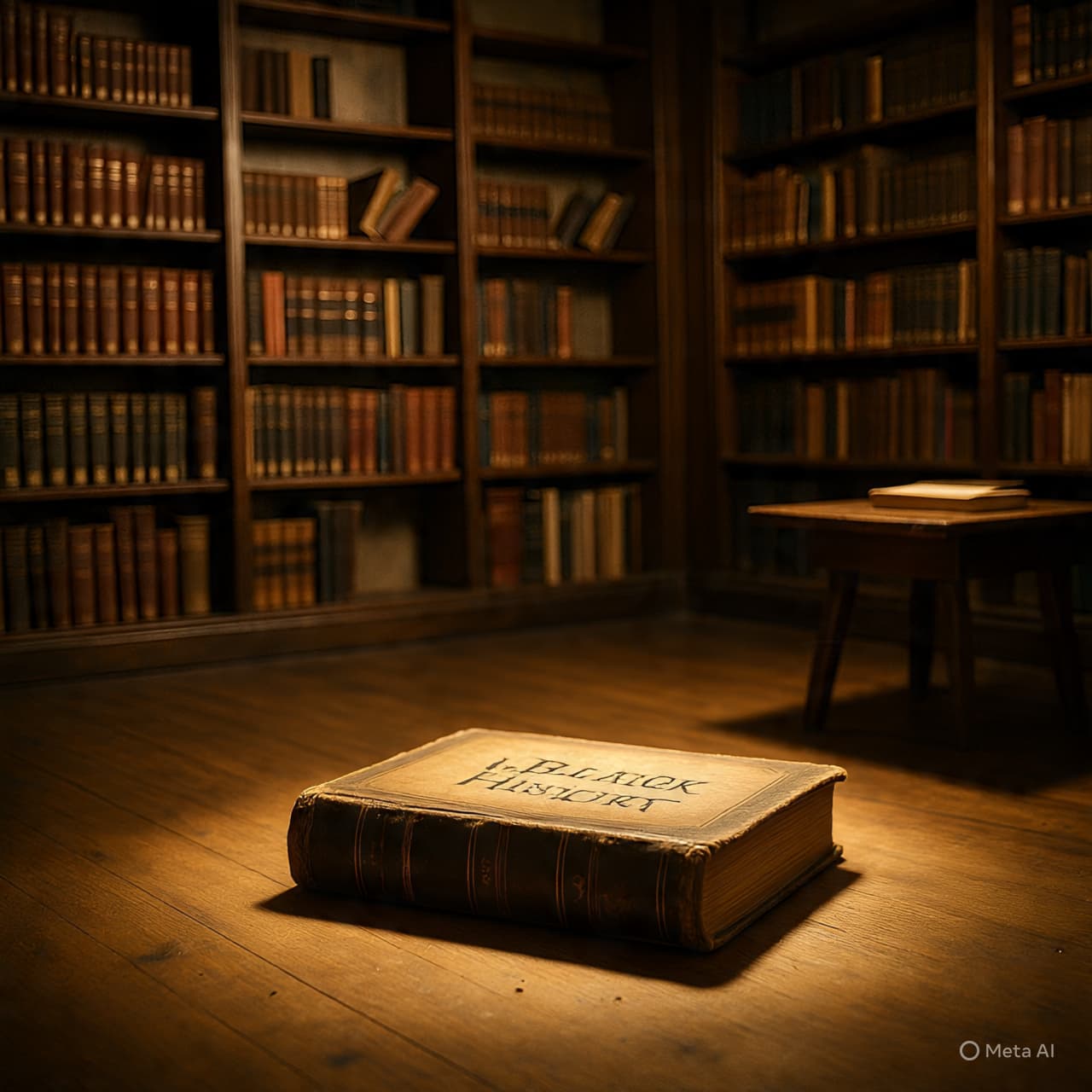
The American story is increasingly feeling like a book whose pages are turning blank — in the quiet of archive rooms, in classrooms, in libraries and corridors of memory. Each removed line, each scrubbed entry, leaves a faint echo of what once was, a shadow where history should stand. To erase portions of a nation’s past is to dim the lantern by which we see ourselves — and as the light fades, we risk losing not only memory, but identity.
Across the United States, the foundations of civil-rights memory and racial equity have begun to fracture. In recent decisions at the federal, state, and institutional levels, public data once used to document systemic inequalities has been deleted, research funding has been slashed, and historical records — especially those chronicling Black history — have been reduced or removed. In schools, libraries, and museums, the story becomes even starker. Tens of thousands of books — many depicting the lives, struggles, and triumphs of Black Americans — have been banned or quietly removed from shelves. In several places, courses that examine the full history of race in America have been canceled or replaced with curricula that offer a sanitized, incomplete narrative.
This wave of erasure doesn’t simply hide painful chapters; it marginalizes entire experiences, rendering invisible generations who shaped the nation’s economy, culture, politics — and its conscience. As argued by observers of the unfolding phenomenon, what is at stake isn’t only what history we tell, but what future we allow ourselves to imagine.
Yet even as institutions move to suppress, a countermovement gathers quietly but firmly. Activists, educators, authors and community organizers are working to “flood the zone” with Black history — ensuring that stories once threatened with disappearance are still told, read, taught, and remembered. Their efforts reflect a deep awareness: when we lose history, we lose clarity about where we’ve come from — and guidance for where we might go.
At this fulcrum moment, America stands confronted with a choice. It may allow the erasure to proceed — or it can choose to reclaim its full story, warts and all. Because progress is not only measured in legal statues or policies, but in memory preserved: in classrooms filled with truth, libraries that remember, and museums that honor the complexity of lives that helped build the nation.
In turning away from the easy gloss of erasure, we might rediscover the true, messy, painful — and courageous — history that shapes us still.
In doing so, we protect not just Black history, but the integrity of America itself.
AI Image Disclaimer: Visuals are created with AI tools and are not real photographs.
Sources (media names): Axios, The Guardian, PEN America, American Oversight, Euronews.
Published by Banx Network. This article is part of the Banx decentralized media programme, powered by the BXE token on the XRP Ledger.