In the quiet corridors where electrons flow unseen and data pulses like tiny stars, a story unfolds one that travels far beyond the familiar glow of screens into the deeper architecture of power and purpose. Imagine a river fed by hidden springs, winding its way through plains and hills, unseen yet essential. This is the story of energy in an age of artificial intelligence, where even the most advanced algorithms are, at their heart, dependent upon the ancient and silent force of the atom.
In early January, Meta Platforms announced that it has entered into a series of long-term nuclear power agreements with three energy companies Vistra, TerraPower, and Oklo bringing into focus a new chapter in how modern technology firms think about the lifeblood of their operations. At its core, the move is not merely about securing electrons; it is about weaving a stable thread through an increasingly electric world. By committing to nuclear power purchase agreements stretching out over decades, Meta aims to support both existing nuclear plants and the development of next-generation reactors, blending the old and the new in its pursuit of reliable energy.
The largest of these collaborations involves Vistra, from which Meta will buy electricity generated by nuclear plants in Ohio and Pennsylvania. The agreements are designed to help fund expansions and extend the life of these facilities, anchoring them as steady contributors to regional grids. At the same time, backing for TerraPower and Oklo companies developing advanced and smaller modular reactors underscores a curiosity about what the future of nuclear might hold. These technologies are still emerging and promise, in theory, greater flexibility and safety.
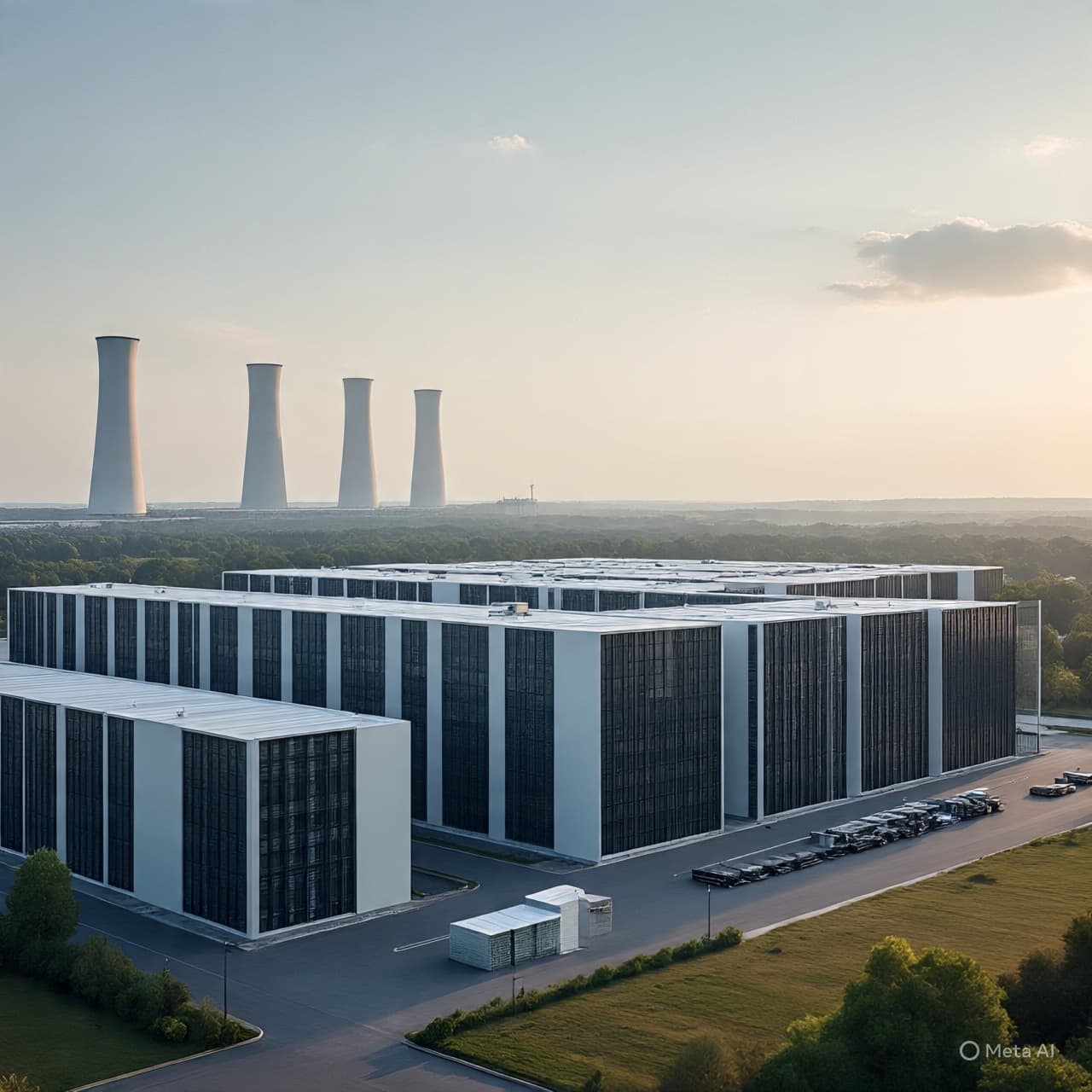
This step reflects a broader reality: as AI infrastructure grows in data centers like Meta’s Prometheus cluster in Ohio so does the demand for firm, low-carbon power. Solar panels and wind turbines, while essential pieces of the renewable puzzle, do not always provide the consistent output required for massive computing operations. In this context, nuclear energy offers a kind of reliability that suits the rhythmic hunger of silicon-driven intelligence. Meta has framed these agreements not as isolated transactions but as contributions to overall grid health, job creation, and long-term energy stability.
Yet such decisions also invite reflection: the interdependence of technology and energy reveals how deeply physical our digital dreams remain. Every byte of data processed, every frame of an AI-generated image, and every conversation with an intelligent system carries with it an unseen cost in power. Policies, markets, and communities are now part of a wider conversation about how to sustain these systems responsibly. Nuclear energy, with its tangled history and promise of low emissions, occupies a delicate place in that conversation, offering both opportunity and challenge.
As this story continues to unfold, it is measured not just in gigawatts but in the quieter measures of human concern the desire for progress that does not upend the world it seeks to illuminate, the search for steadiness in a time of rapid change, and the recognition that the power that drives our digital age must be chosen with care.
In closing, Meta’s agreements with Vistra, TerraPower, and Oklo mark a notable development in how large tech companies approach the challenge of energy demand for artificial intelligence and large-scale computing. While the technical and regulatory pathways ahead remain complex, the initiative highlights a broader shift toward long-term energy planning rooted in both innovation and continuity.
AI Image Disclaimer
Visuals are created with AI tools and are not real photographs.
Sources Found (Mainstream / Credible):
Reuters Associated Press (via multiple outlets) Fast Company Reuters/Investing.com syndicated AP / CBS News / New Orleans City Business (same reporting)
Published by Banx Network. This article is part of the Banx decentralized media programme, powered by the BXE token on the XRP Ledger.