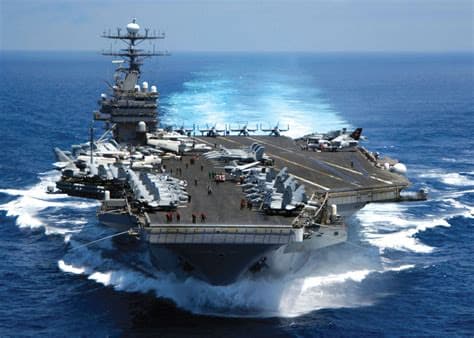
In the intricate tapestry of Middle Eastern geopolitics, threads of conflict often obscure the delicate patterns of diplomacy. Recent exchanges of attacks between United States forces and Iranian-backed militias have cast a long shadow over ongoing efforts to stabilize the region. These incidents, ranging from drone strikes to rocket fire, serve as stark reminders of the fragility of peace in a landscape marked by deep-seated rivalries. It is a moment that invites reflection on the difficulty of maintaining dialogue when violence continues to echo across borders.
The cycle of action and retaliation has intensified in recent months, with US bases in Iraq, Syria, and Jordan facing frequent threats. Each attack prompts a measured response from Washington, aimed at deterrence without escalating into full-scale war. However, this tit-for-tat dynamic creates an atmosphere of unpredictability, making it challenging for diplomats to build trust or negotiate meaningful agreements. The noise of conflict drowns out the quiet voices of negotiation.
Iran’s role in this equation is complex, operating through proxy groups that allow it to exert influence while maintaining plausible deniability. This strategy complicates direct diplomatic engagement, as accountability is often diffuse. For the US, the challenge lies in addressing the source of the threats without triggering a broader regional confrontation. The balance between military necessity and diplomatic opportunity is precarious.
Despite the tensions, backchannel communications continue. Diplomatic intermediaries, including officials from European and Arab nations, work tirelessly to de-escalate situations and prevent miscalculations. These efforts, though often unseen by the public, are crucial in preventing isolated incidents from spiraling into wider conflicts. They represent a persistent hope that reason can prevail over rage.
The humanitarian cost of this instability is significant. Civilians in affected areas live with the constant threat of violence, disrupting daily life and economic activity. The psychological toll of living in a conflict zone is profound, affecting generations who have known little else but uncertainty. Peace is not just a political goal but a human necessity.
International organizations and allies urge restraint from all parties, emphasizing the need for a political solution to underlying grievances. The focus on military responses, while understandable from a security perspective, often neglects the root causes of the tension. Addressing issues such as regional influence, nuclear concerns, and economic sanctions requires a comprehensive approach that goes beyond immediate security measures.
As the situation evolves, the window for effective diplomacy may narrow. Each exchange of fire hardens positions and reduces the space for compromise. Yet, history shows that even in the darkest times, channels of communication remain open. The commitment to keeping these channels alive is a testament to the enduring belief in the possibility of peace.
The ongoing attacks between US forces and Iranian proxies highlight the persistent challenges of Middle East security. While military responses address immediate threats, they risk undermining diplomatic progress. Sustained effort and international cooperation are essential to preserve the possibility of a peaceful resolution.
AI Image Disclaimer: Visuals in this piece are artificially generated and should be viewed as artistic interpretations rather than factual documentation.
Sources: Al Jazeera Reuters The New York Times Associated Press
Published by Banx Network. This article is part of the Banx decentralized media programme, powered by the BXE token on the XRP Ledger.