Nations, like families, are not built in a single conversation. They are shaped over time, through agreements and disagreements, through elections and transitions, through moments of unity and seasons of strain. In Ghana, the rhythm of democracy has long been vibrant—colorful rallies, spirited debates, and the unmistakable energy of civic participation. Yet beneath the surface of that vitality lies a quieter question: how can a country move forward when political lines grow sharper than shared purpose?
Partisan politics is not inherently a weakness. In fact, it is a sign of democratic health. Competing visions, alternative policies, and ideological differences provide citizens with meaningful choices. Ghana’s Fourth Republic has demonstrated resilience, marked by peaceful transfers of power and institutional continuity. The alternation between major political parties has become part of the nation’s democratic identity.
Still, when political competition hardens into perpetual confrontation, development risks becoming collateral. Infrastructure projects are sometimes viewed not as national assets but as party legacies. Social interventions may be judged less on outcomes and more on origin. In such an atmosphere, continuity can falter, and long-term planning may yield to short-term positioning.
Economic development, by its nature, demands consistency. Investors seek predictability. Public institutions require stability. Educational reforms, healthcare expansion, and industrial strategies unfold over decades rather than electoral cycles. When each transition brings sweeping reversals, momentum slows. The cost is not merely political; it is measured in delayed opportunities and deferred progress.
Ghana’s aspirations—diversified industry, strengthened institutions, reduced inequality—are ambitions that transcend party manifestos. They belong to the nation as a whole. Achieving them calls for a culture in which policy debate remains robust but national priorities endure beyond campaign seasons. It invites leaders to distinguish between healthy opposition and reflexive obstruction.
There are precedents to build upon. Ghana has shown that bipartisan consensus is possible on matters of constitutional order and electoral integrity. Independent bodies, civil society organizations, and a vocal media landscape have often acted as stabilizing forces. These foundations suggest that rising above partisan reflexes is not an abstract ideal but a practical extension of democratic maturity.
Civic responsibility also plays a role. When citizens demand accountability not only from rivals but from their preferred parties, the tone of politics can gradually shift. Development then becomes less about which banner flies above a project site and more about whether the project improves lives. In this environment, political identity remains meaningful, yet it does not eclipse national interest.
The global context adds urgency. African economies compete for investment, innovation, and influence in a rapidly changing world. Regional integration efforts, trade agreements, and digital transformation initiatives require strategic coherence. Ghana’s ability to position itself effectively depends on a unified sense of direction, even amid political diversity.
Ghana’s democratic system continues to provide space for vibrant political contestation. As debates over policy and leadership evolve, many observers argue that long-term national development will benefit from broader cross-party cooperation on key priorities. Strengthening institutions, maintaining policy continuity, and fostering inclusive growth remain central challenges. The path forward may not require the absence of partisanship, but a renewed emphasis on shared goals that extend beyond electoral cycles.
AI Image Disclaimer
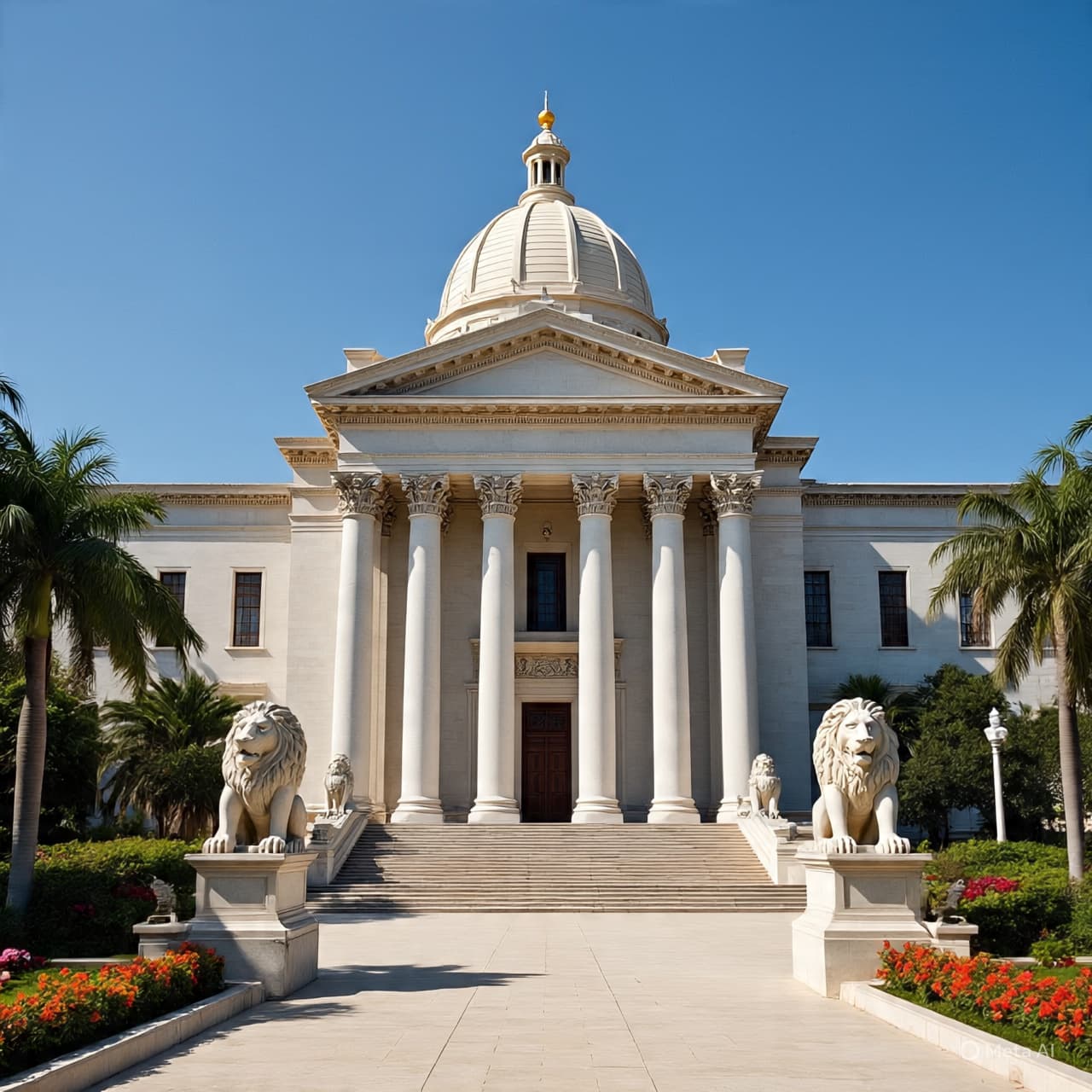
Images in this article are AI-generated illustrations, meant for concept only.
Source Check
Credible mainstream and regional outlets that frequently cover Ghanaian politics and national development issues include:
Daily Graphic Joy News Citi Newsroom GhanaWeb BBC News Africa
Published by Banx Network. This article is part of the Banx decentralized media programme, powered by the BXE token on the XRP Ledger.

.jpg&w=3840&q=75 "Blake Lively Awarded $400,000 in Legal Fees After Justin Baldoni Lawsuit Dismissed")