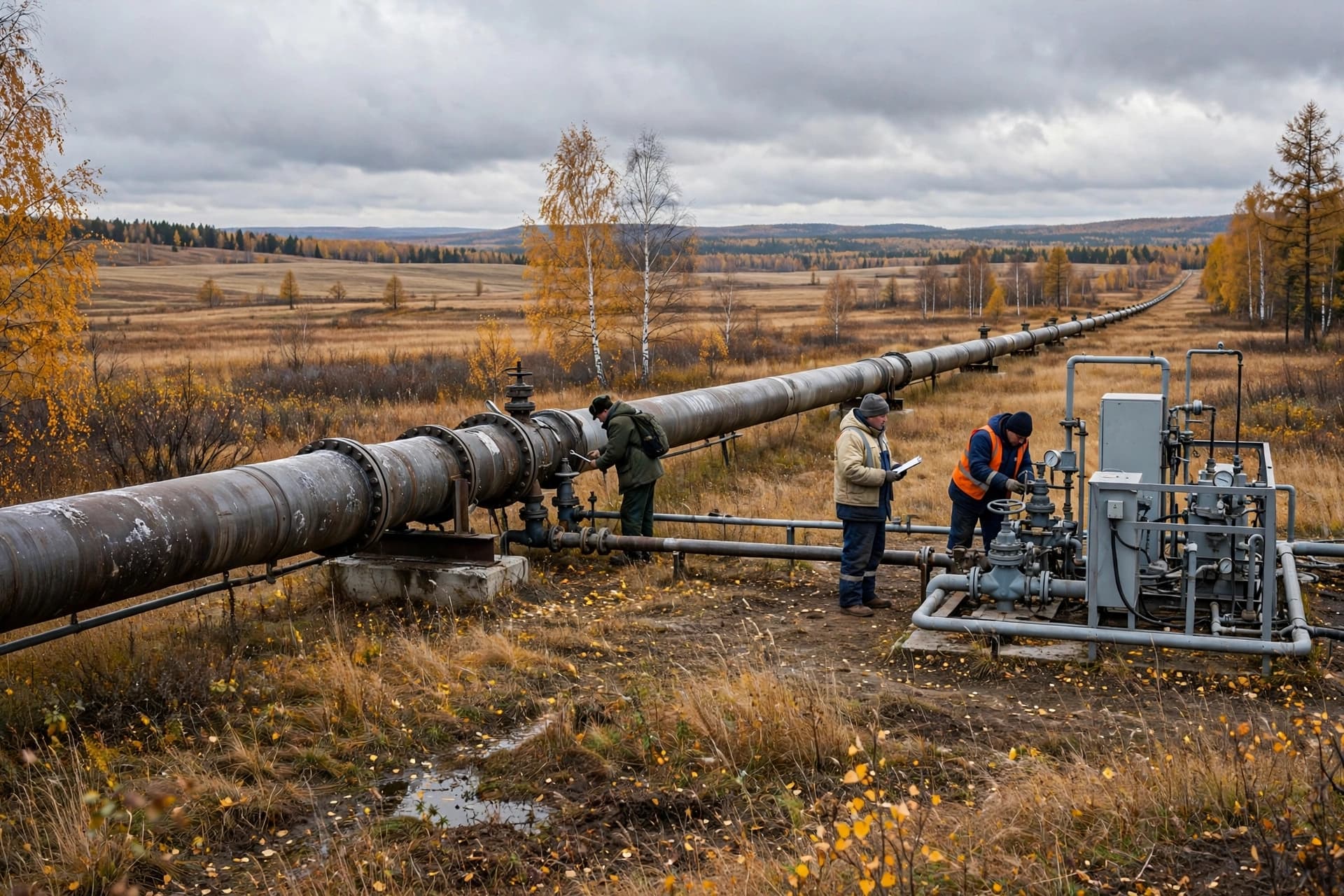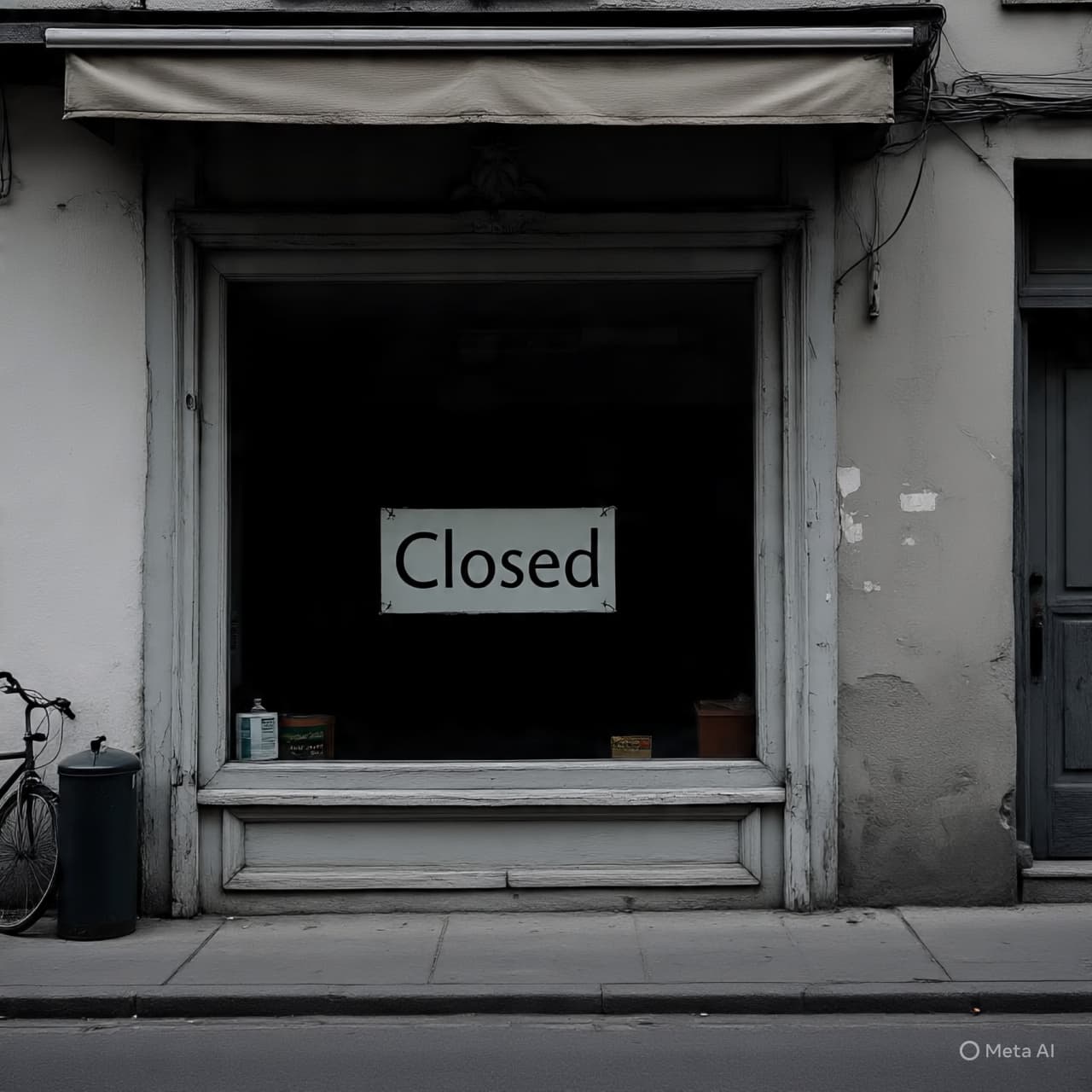
In a quiet workshop in Oregon, the hum of tools once carried more than the sound of industry — it carried hope, livelihood, community. Each bicycle assembled, each candle poured, each piece of furniture crafted held more than commerce. It was a testament to small-business ambition, and to what meaning there is in hands-on work. Now, that hum has faded.
For many small businesses across America, 2025 brought a harsh reckoning. Inflation — creeping at first, then climbing — has squeezed margins. Costs for supplies, imported materials, energy, and rent have risen sharply. At the same time, consumer spending has softened as families juggle their own tighter budgets. The result: what was once a stable livelihood has become a struggle to keep the lights on.
According to a recent report by payroll-processor ADP, private-sector employers cut 32,000 jobs in November — but small businesses (firms with fewer than 50 employees) bore the brunt, shedding around 120,000 jobs alone. For many owners, the numbers don’t capture the deeper pain: longtime employees let go, empty workbenches, the quiet of a shop half-closed.
For owners, the decision is anything but mechanical. Some — like the founder of a small bicycle-making shop — didn’t want to lay anybody off. But with demand shrinking and orders unpredictable, they simply could not replace workers who left. Others acknowledged raising their prices to survive, even knowing it might push loyal customers away. Still, higher prices often weren’t enough: as one owner confided, “we can’t take much more than we’re absorbing now.”
This isn’t just a business slowdown. It’s a ripple through communities. Employees who have worked for years, maybe decades, may lose their incomes. Neighborhood shops — once meeting places — may fade. And as more firms pause hiring or shut their doors, the collective story becomes one of fragile stability unraveling.
At the same time, some small-business owners hold on to cautious hope. Recent data from U.S. Chamber of Commerce shows modest upticks in confidence for a subset of small businesses — especially those able to adapt pricing or streamline operations — though cost remains their top barrier to expansion or investment. But the path forward feels precarious: optimism tempered, resilience worn thin.
Behind each job cut is a person, a family, a story. The decline in small-business employment isn’t just a statistic for economists to debate — it’s a reflection of communities being asked to do more: to tighten budgets, to scramble for new work, to reimagine livelihoods.
In many ways, what’s happening now underlines a harsh truth: small businesses — often called the backbone of the economy — are also its most vulnerable tendons. When pressure mounts — inflation, tariffs, shifting consumer habits — the strain doesn’t only bend the economy — it bends people.
As December unfolds and policymakers, economists, and media digest the numbers, one thing remains clear: beyond the charts and forecasts are real lives feeling the weight of soaring costs, uncertain demand, and tough calls.
AI Image Disclaimer: “Illustrations were produced with AI and serve as conceptual depictions, not real photographs.”
Sources: ADP / payroll data reports; U.S. Chamber of Commerce; Business.org; Forbes.
Published by Banx Network. This article is part of the Banx decentralized media programme, powered by the BXE token on the XRP Ledger.