
In the vast rhythm of global commerce, numbers often speak louder than headlines. Yet, few figures capture both attention and curiosity as sharply as China’s trade surplus, which this year surged nearly 20% to an unprecedented $1.2 trillion. Behind this stark statistic lies a story of resilience and adaptation, a quiet testament to the shifting patterns of trade in a world still navigating tariffs, political pressures, and economic recalibrations. Like a river carving its course through varied terrain, China’s exports have found new pathways, bypassing obstacles while maintaining momentum in unexpected directions.
Despite a decline in exports to the United States—down roughly 20% under the continued strain of tariffs imposed during President Trump’s administration—China has expanded trade with other regions. Stronger flows to Africa, Southeast Asia, the European Union, and Latin America have helped offset the U.S. dip, highlighting a deliberate strategy of diversification. Overall exports rose by about 5.5%, while imports remained largely flat, amplifying the surplus. Analysts note that such figures are not merely a reflection of raw numbers; they are evidence of the country’s capacity to adapt within the interconnected lattice of global markets.
Yet this record surplus comes with subtler implications. It underscores the fragility of trade dependencies and the ways political maneuvering can redirect flows of goods, influence supply chains, and shift the balance of economic influence. While some observers see China’s surplus as a triumph of strategic planning, others caution that global tensions may shape future trajectories in unforeseen ways. Still, for now, the numbers stand firm, a reminder that trade is both a barometer of economic strength and a narrative of resilience, negotiation, and adaptation in a world where markets never sleep.
In practical terms, China’s economy continues to rely on exports as a stabilizing force amid domestic challenges, from consumption fluctuations to industrial transitions. Policymakers, companies, and international observers alike will be watching closely in 2026, as the flow of goods continues to reflect both opportunity and caution. The record surplus is not just a statistic—it is a mirror of the complex, adaptive, and globalized system that defines today’s economic landscape.
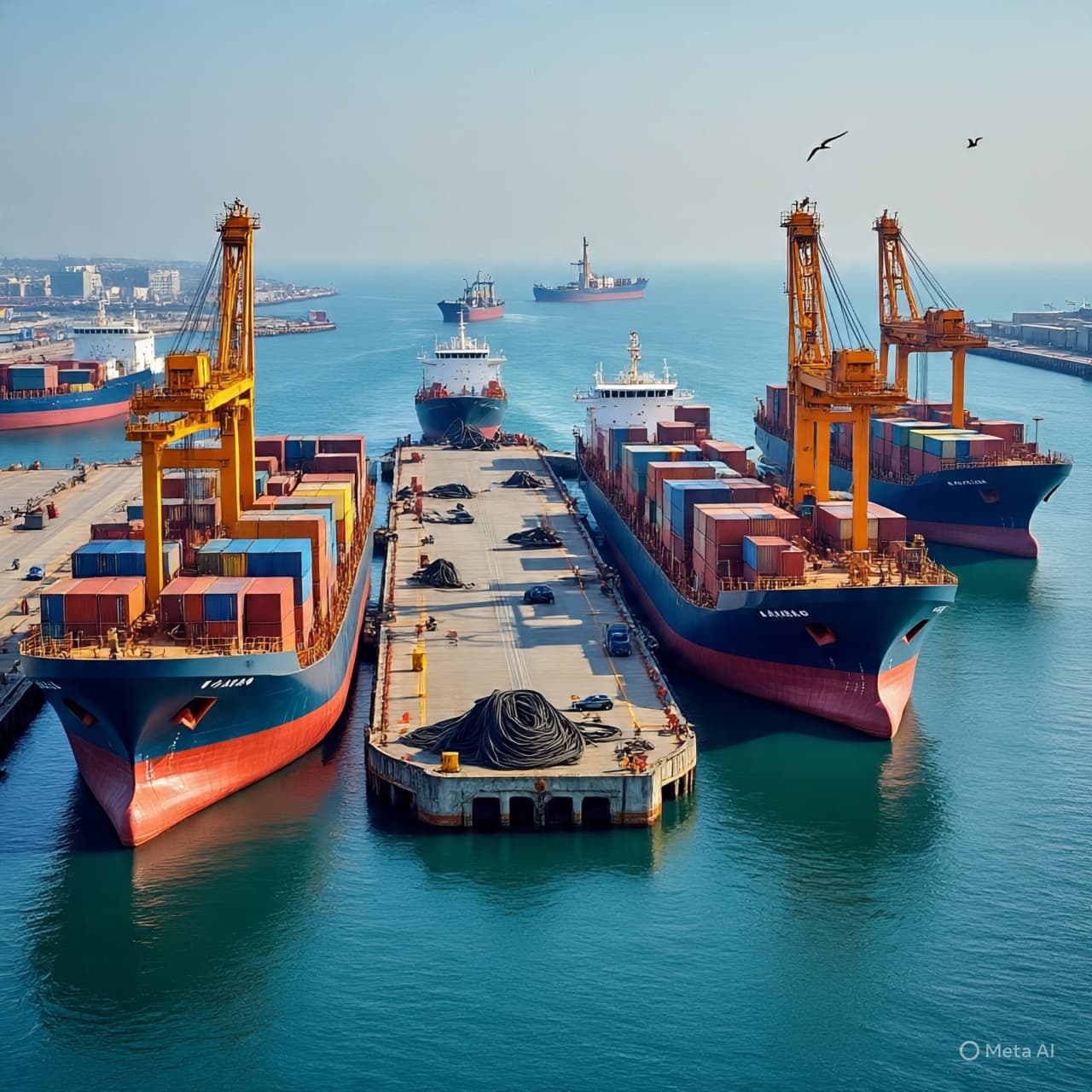
AI Image Disclaimer Illustrations were produced with AI and serve as conceptual depictions, not real photographs.
Sources Associated Press (AP News) Reuters Financial Times Investing.com MarketWatch
Published by Banx Network. This article is part of the Banx decentralized media programme, powered by the BXE token on the XRP Ledger.



