Opening: In the shadowed currents of the global economy, where illicit trade flows with a resilience that often outpaces regulation, a new chapter has been documented. The United Nations Office on Drugs and Crime (UNODC) has released its World Drug Report 2026, offering a sobering yet comprehensive look at the state of drug markets worldwide. This annual publication is more than a collection of statistics; it is a mirror reflecting the complex interplay between supply, demand, and policy, inviting us to consider how societies can better address the challenges of substance abuse and trafficking.
Body: The report highlights the enduring adaptability of drug cartels and criminal networks. Despite intensified law enforcement efforts, the global drug market remains profitable and expansive. Synthetic drugs, in particular, have seen a surge in production and distribution, reaching new markets and demographics. Their ease of manufacture and transport makes them a persistent challenge for authorities, requiring innovative strategies that go beyond traditional interdiction.
One of the key findings is the shift in consumption patterns. While traditional substances like cocaine and heroin remain prevalent, there is a growing use of prescription medications and new psychoactive substances. This trend underscores the need for a health-centered approach, focusing on prevention, treatment, and harm reduction rather than solely on criminalization. The report emphasizes that drug use is often a symptom of broader social issues, such as inequality and lack of opportunity.
The environmental impact of drug production is also brought into focus. Illicit cultivation and processing contribute to deforestation, water pollution, and carbon emissions. The report calls for integrated policies that address these ecological consequences, recognizing that the war on drugs is also a battle for environmental sustainability. This holistic view encourages cooperation between drug control agencies and environmental protection bodies.
International cooperation remains crucial. The report notes that no single country can tackle the drug trade alone. Sharing intelligence, harmonizing legal frameworks, and supporting development in producer countries are essential steps. The UNODC advocates for a balanced approach that respects human rights while ensuring public safety, urging nations to move away from punitive measures that often exacerbate the problem.
The data presented in the report is derived from extensive surveys and monitoring systems, providing a reliable basis for policy-making. It reveals disparities in access to treatment and services, particularly in low-income regions. Addressing these gaps is vital for achieving global health goals and reducing the burden of disease associated with drug use.
As we reflect on these findings, it becomes clear that the solution lies not in eradication but in management and compassion. By understanding the drivers of drug trade and use, societies can develop more effective and humane responses. The report serves as a guide for this journey, offering insights that can inform better decisions at local, national, and international levels.
Closing: The World Drug Report 2026 provides a critical overview of global drug trends, emphasizing the need for balanced, health-focused policies and international cooperation. It reminds us that addressing the drug trade requires a multifaceted approach that considers social, economic, and environmental factors.
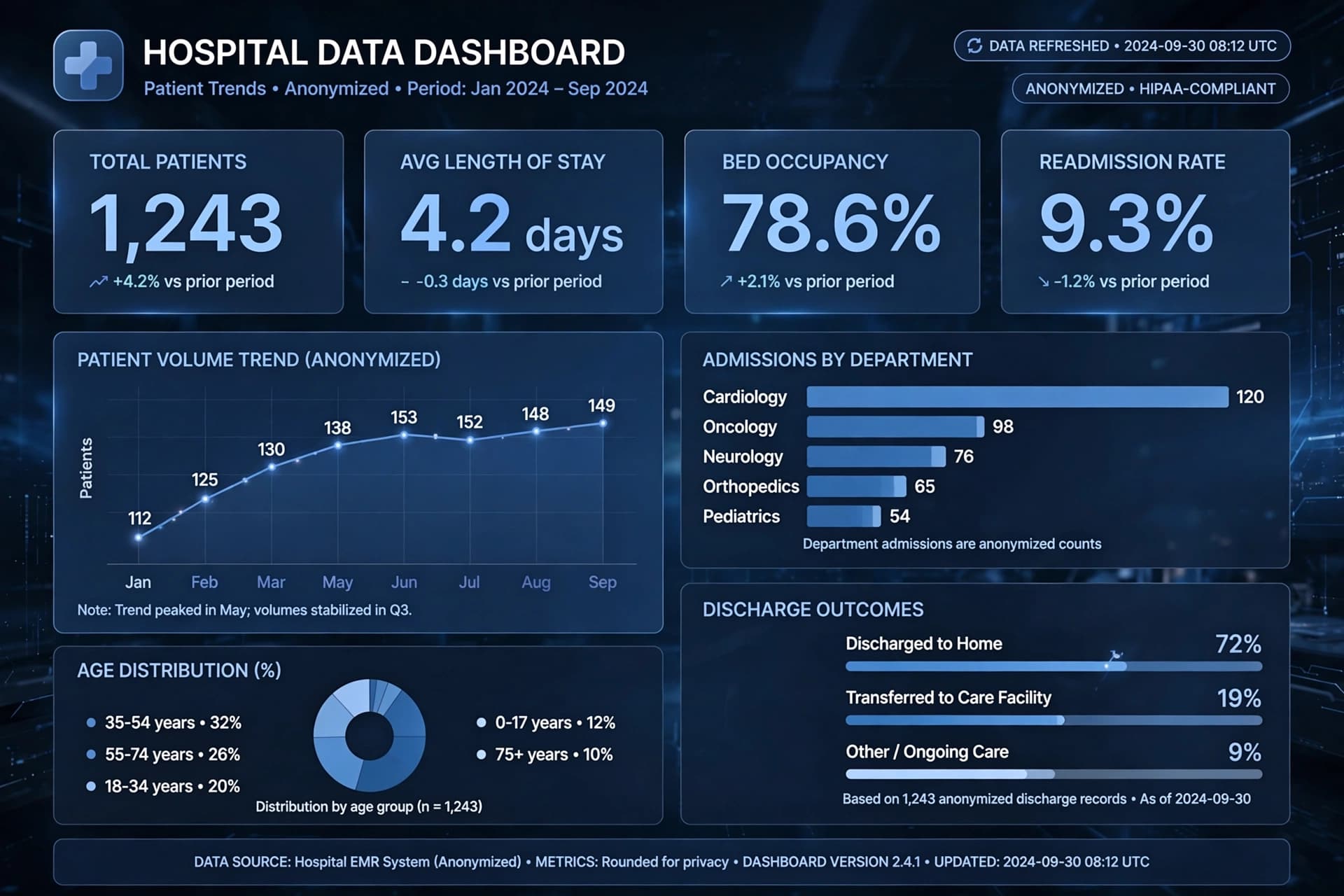
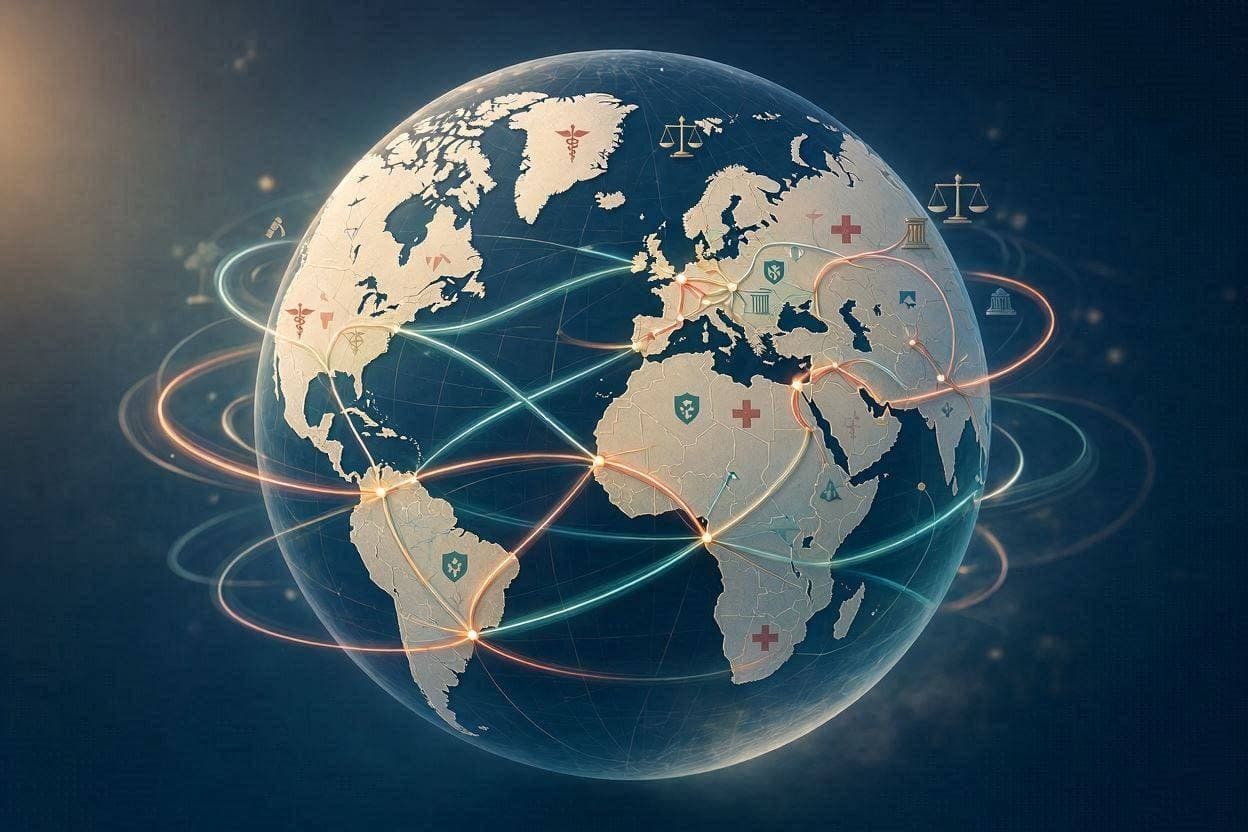
AI Image Disclaimer: The visuals accompanying this article are AI-generated illustrations representing global data and policy concepts, intended for illustrative purposes only.
Sources: UNODC, ISSUP, IDPC, United Nations News, Reuters
Published by Banx Network. This article is part of the Banx decentralized media programme, powered by the BXE token on the XRP Ledger.