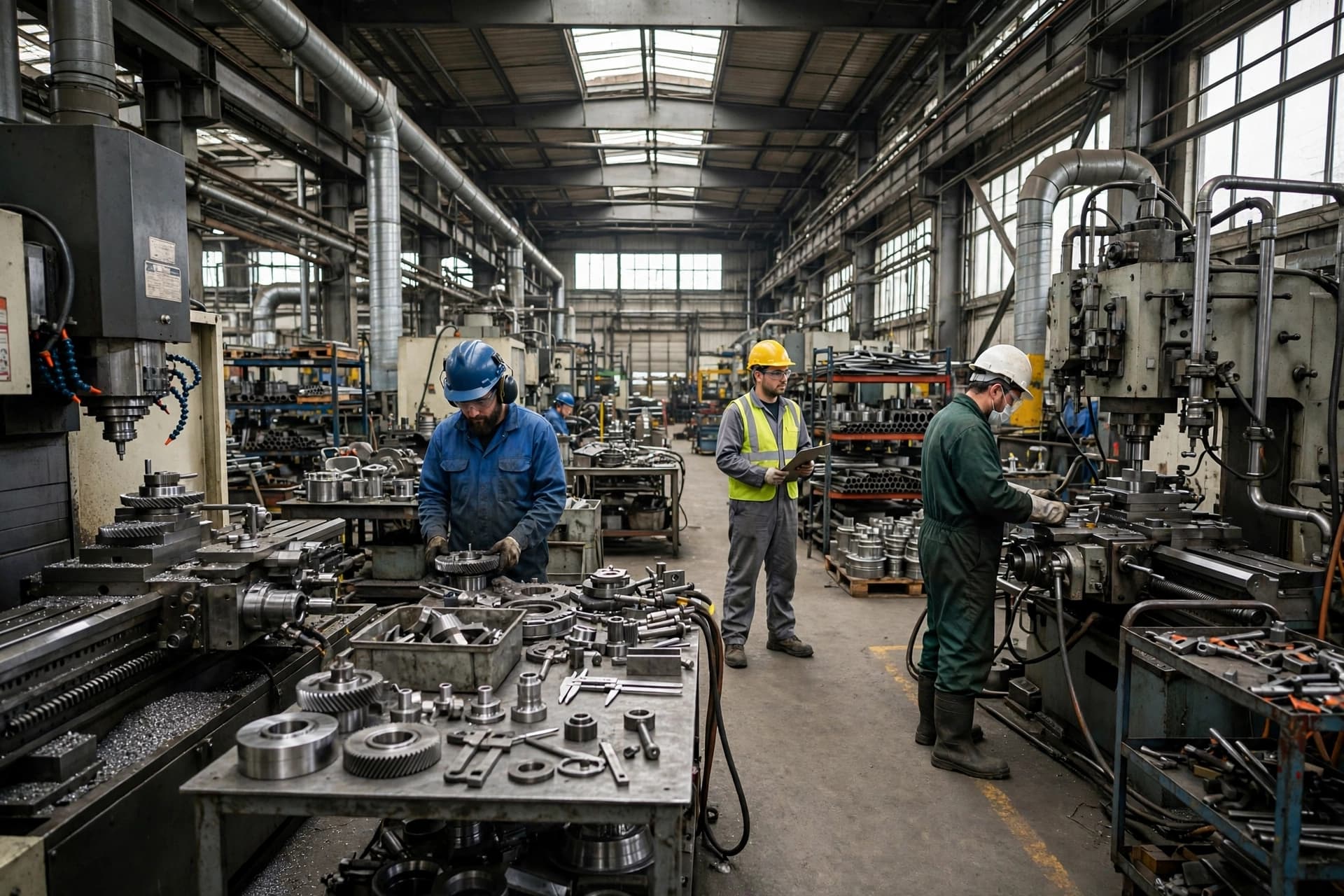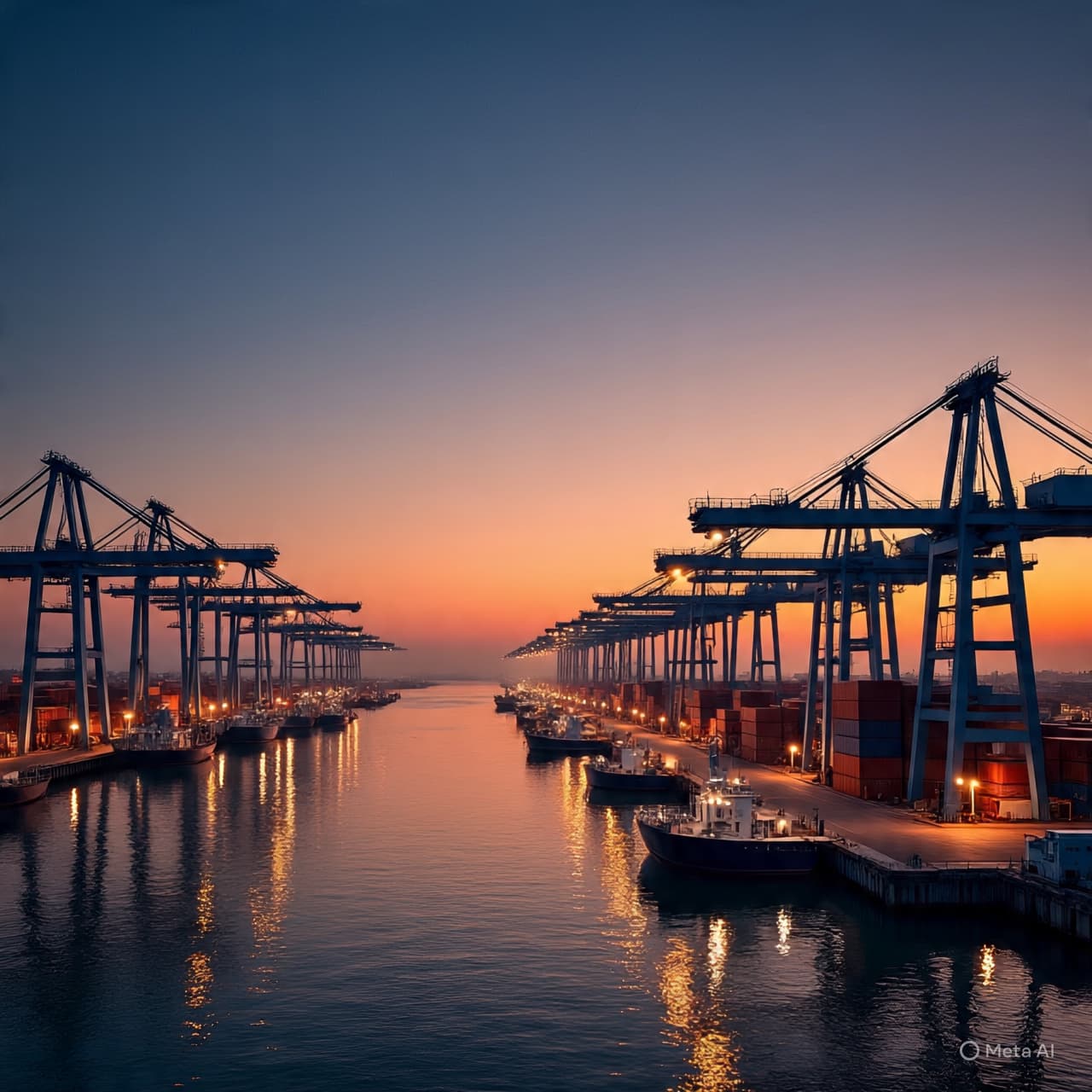
In the factories that stretch across China’s coastal provinces, the hum of assembly lines is more than background noise — it is the heartbeat of a growth model whose roots run deep into the country’s modern history. For decades, China’s economic rise has been tied to its ability to produce goods for the world, transforming raw materials and labor into the engines, electronics, and everyday products that fill global shelves. Today, even amid rising global competition and geopolitical friction, China’s leaders are doubling down on that export-led model, not out of nostalgia but out of calculated necessity.
At first glance, this commitment may seem counterintuitive. The global economy has shifted — demand has softened in some traditional markets, supply chains are diversifying, and other emerging economies are chasing the same manufacturing opportunities. Yet for China, the export strategy remains a central pillar of growth because it still delivers what the state believes the country needs most: foreign exchange reserves, scale in production, and leverage in global trade networks.
Central to this calculus is the sheer scale of China’s industrial ecosystem. Years of investment in infrastructure, ports, logistics, and human capital have created efficiencies that few competitors can match. Export industries generate a steady inflow of foreign currency, which in turn supports the nation’s ability to stabilize its currency, manage debt, and underwrite ambitious technological and infrastructure projects at home. In this light, exports are not a relic of an earlier era but a strategic asset in a world where economic influence and geopolitical influence are deeply intertwined.
Yet China’s commitment is not static. Officials and business leaders alike speak of upgrading the export model rather than merely preserving it. The emphasis is shifting toward higher-value goods — advanced machinery, electric vehicles, semiconductor equipment — and toward markets that lie beyond the traditional Western axis. Trade agreements and regional partnerships are part of this outward pivot, ensuring that Chinese products remain competitive and that the country’s industrial base continues to find new outlets for its output.
There is also a domestic dimension to the renewed focus on exports. China’s economy is navigating structural headwinds: an aging workforce, slowing domestic consumption, and uneven investment returns. In such an environment, exports offer a tangible pathway to sustain employment, particularly in industrial hubs, and to generate growth where domestic demand alone may be insufficient. Export sectors, with their links to global demand, provide a form of external ballast to a complex economic ship.
Critics argue that reliance on exports exposes China to external shocks and geopolitical risk. Trade tensions, tariffs, and shifts in foreign policy can ripple through its factories and ports. But Chinese policymakers counter that diversification — both of products and of markets — mitigates these risks. By embedding its industries in a broad web of global commerce, China is wagering that its export footprint will be resilient even amid turbulence.
What emerges from this strategy is a portrait of an economic giant rooted in its strengths, yet acutely aware of its vulnerabilities. China’s doubling down on exports is not a retreat into old models but a reimagining of them. It reflects confidence in capability and a belief that, for all the changes sweeping the global economy, the world still needs what China produces — and China still needs the world’s demand.
Published by Banx Network. This article is part of the Banx decentralized media programme, powered by the BXE token on the XRP Ledger.