The digital landscape of Indonesia is changing quietly but rapidly. Across cities and islands, smartphones have become ordinary tools for work, commerce, education, and communication, while behind those familiar screens a much larger technological infrastructure is beginning to take shape.
Indonesia is increasingly seeking to move beyond being a consumer of artificial intelligence toward becoming a contributor to the global AI industry. Government officials have emphasized that the country needs stronger computing infrastructure, digital talent, semiconductor capabilities, and domestic AI development to achieve that goal. (en.antaranews.com)
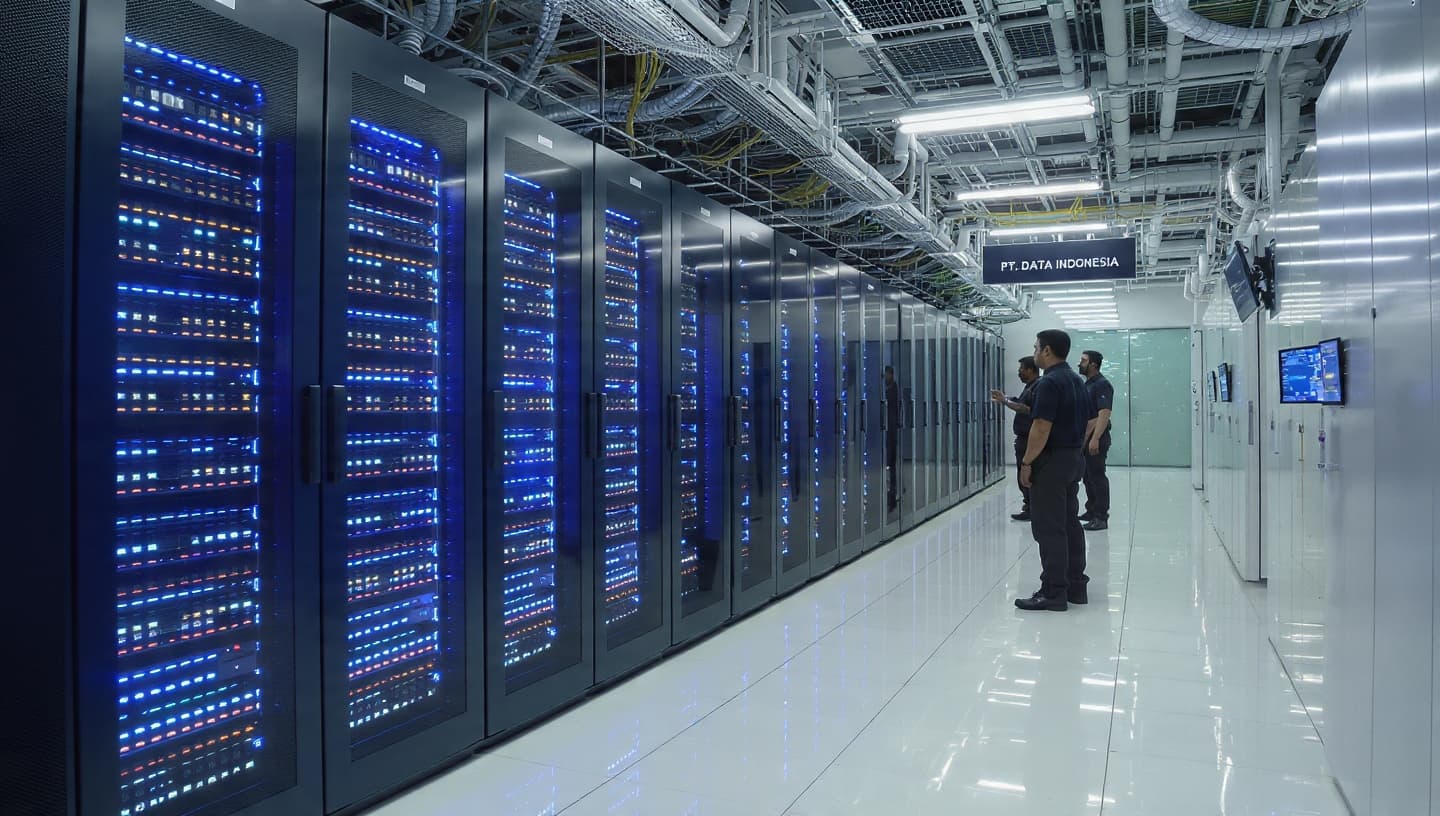
One of the central challenges is computing capacity. Modern AI systems require enormous amounts of processing power, and Indonesia's Communication and Digital Affairs Ministry has identified national compute clusters as an important foundation for developing AI models, research, and domestic applications. (en.antaranews.com)
That infrastructure is only one part of the picture. Indonesia also needs people capable of designing, operating, and improving advanced AI systems. Government programs are therefore placing greater emphasis on digital talent, including cooperation with universities and initiatives designed to strengthen technical skills across the country. (en.antaranews.com)
The country's natural resources have also entered the conversation. Officials have pointed to Indonesia's reserves of critical minerals, including silica sand and nickel, as potential foundations for participation in technology supply chains. The objective is to move toward processing and higher-value industries rather than remaining primarily a supplier of raw materials. (en.antaranews.com)
Semiconductors are particularly important because they sit underneath almost every modern AI system. Chips, data centers, computing equipment, energy infrastructure, and software all form interconnected layers of the technology ecosystem. Developing one layer without the others can limit the value that a country captures from the broader industry.
Indonesia has also begun strengthening its international role in AI governance. In July, the country joined the World Artificial Intelligence Cooperation Organization as a founding member, seeking to participate in discussions about international cooperation and responsible AI development. (en.antaranews.com)
At home, the government is preparing an AI Road Map and broader governance framework. Officials have said the framework is intended to support AI development while addressing issues including data protection, deepfakes, algorithmic bias, and cybersecurity. (en.antaranews.com)
The scale of the opportunity is considerable, but so is the distance between ambition and technological capability. Building data centers, acquiring advanced computing equipment, training specialists, developing semiconductor capacity, and creating competitive AI models require sustained investment over many years.
For now, Indonesia's AI strategy is taking shape across several fronts at once: infrastructure, talent, minerals, computing, regulation, and international cooperation. The country's latest initiatives suggest that the objective is no longer simply to adopt AI applications, but to secure a more meaningful position within the systems that create and support them. (en.antaranews.com)
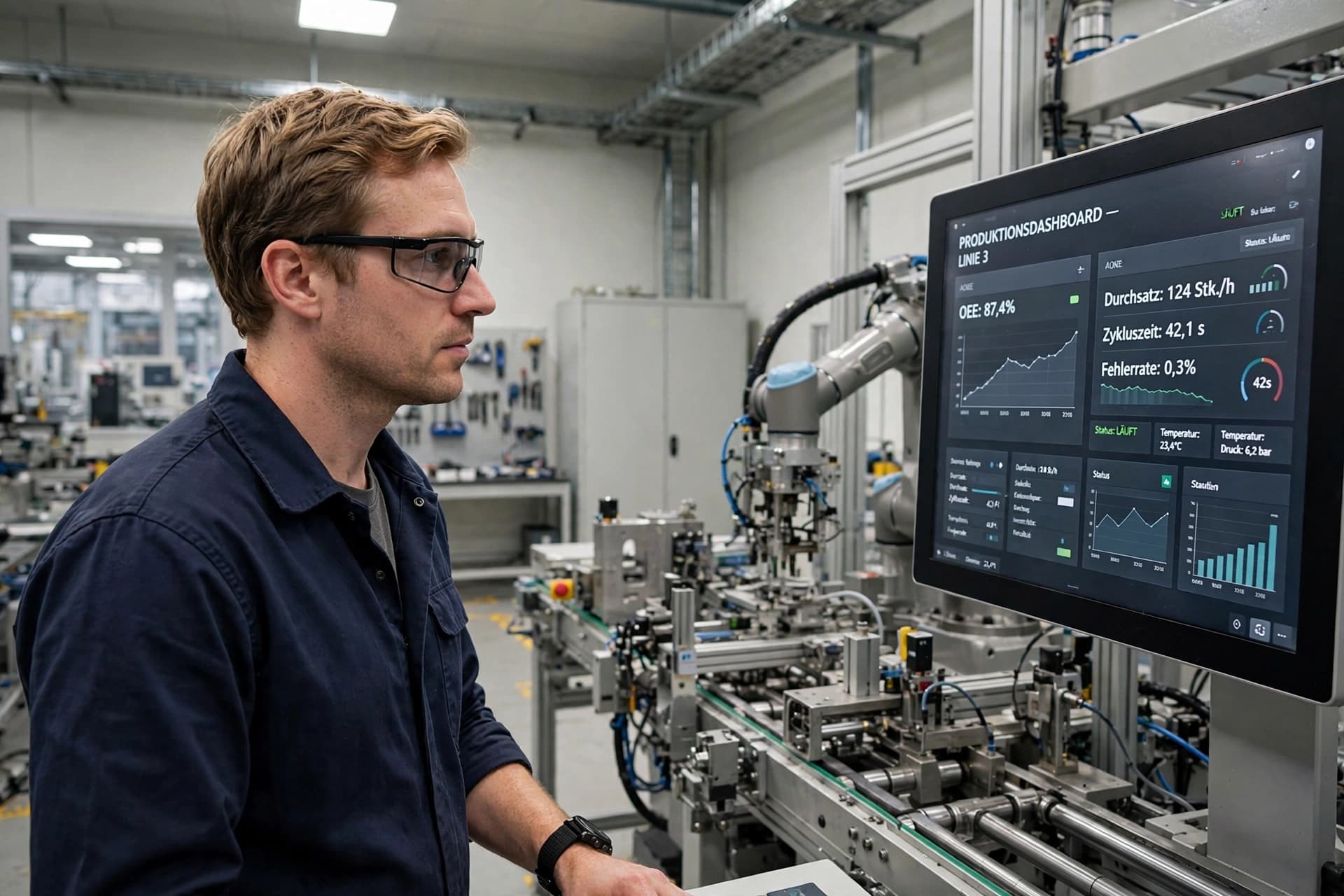
AI Image Disclaimer These visuals were created with artificial intelligence as conceptual illustrations of Indonesia's developing AI ecosystem and are not photographs of actual facilities or events.
Sources ANTARA News Ministry of Communication and Digital Affairs of Indonesia Reuters Japan International Cooperation Agency World Artificial Intelligence Cooperation Organization
Published by Banx Network. This article is part of the Banx decentralized media programme, powered by the BXE token on the XRP Ledger.