There are moments in public health that feel almost like a fracture in time — a quiet certainty giving way to something unsettled. In recent months, as the usual compass of vaccine guidance seemed to wobble, a new initiative emerged that carries a kind of pragmatic hope. The American Medical Association (AMA), long known for focusing on physician issues, has stepped into unfamiliar territory: helping to launch a vaccine science review system in response to what many see as deepening turmoil at the Centers for Disease Control and Prevention (CDC).
The backdrop is unusual and fraught. Earlier this year, the CDC’s external vaccine advisory process — long anchored by its Advisory Committee on Immunization Practices (ACIP) — was effectively reshaped when all of its members were dismissed and replaced with health officials aligned with the current administration’s perspective. Critics have argued that these changes, including controversial shifts in long-standing recommendations, have weakened the historical scientific rigor of federal vaccine policy.
In that context, the AMA’s involvement signals not only concern, but a widely shared sense among health professionals that independent, evidence-driven review remains essential. Together with the University of Minnesota’s Vaccine Integrity Project and other medical organizations, the AMA plans to convene experts to review vaccine data — starting with influenza, COVID-19, and RSV vaccines ahead of the next respiratory season. The goal is not to issue official recommendations, but to provide transparent, science-grounded evidence reviews that clinicians, state health officials, and the public can use.
Those who support this effort describe it as a necessary reinforcement of confidence at a time when trust in vaccine guidance is being tested. Surveys conducted late last year showed that many Americans now express greater trust in AMA guidance on vaccine safety than in CDC statements — a reflection of broader concerns about shifting federal communication and policy.
The initiative also reflects a broader trend. In several regions, state coalitions have begun forming their own vaccine science review bodies, aiming to maintain evidence-based public health guidance separate from federal recommendations. These efforts underscore how, in times of institutional upheaval, alternative scientific structures can become anchors for professionals and communities alike.
Despite its promise, the new review effort does not erase the underlying tension around national vaccine policy. Federal officials continue to assert that CDC processes remain valid and that independent groups do not replace official guidance. Yet dozens of leading medical societies and public health groups have openly expressed alarm at recent shifts, particularly when committees historically rooted in scientific review have been sidelined or reshaped.
In the quiet exchange of data and deliberation that lies at the heart of science, credibility matters almost as much as evidence. For many clinicians and experts, ensuring that rigor and transparency remain at the core of vaccine assessment is a mission worth pursuing, even if it means stepping into a space once held exclusively by federal agencies. In a world of shifting policy and public debate, they hope this new chapter in vaccine science review will help doctors and patients alike find a firmer footing in the facts.
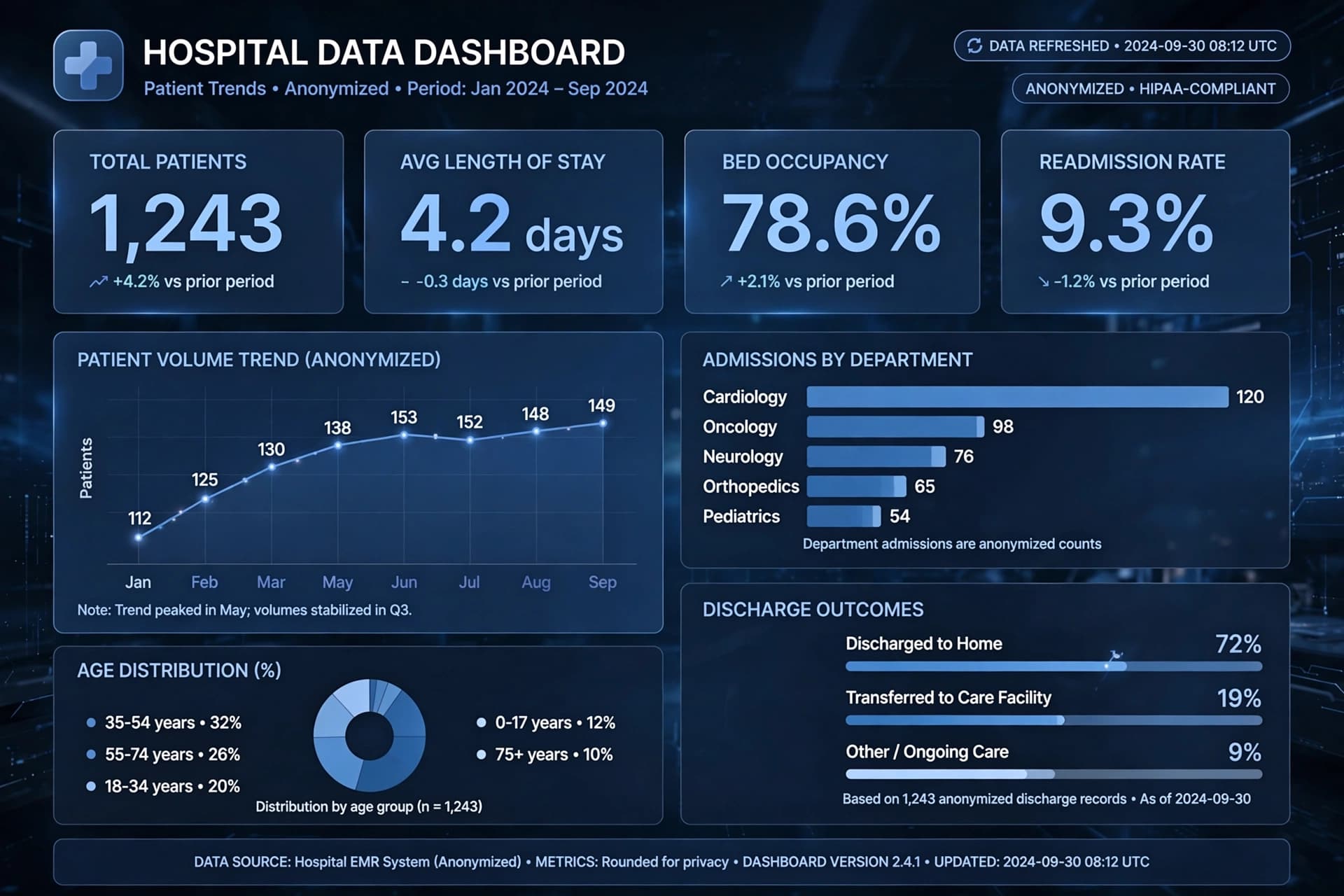
AI Image Disclaimer Visuals are AI-generated and intended as conceptual representations, not real photographs.
Sources (Media Names Only) The Washington Post The Guardian Medical Economics Drugs.com Wikipedia
Published by Banx Network. This article is part of the Banx decentralized media programme, powered by the BXE token on the XRP Ledger.