Across Southeast Asia, the movement of smoke can turn a distant fire into a local concern. A haze that begins above dry vegetation may eventually settle over residential streets, schoolyards, and busy transport corridors far from the flames themselves. For cities surrounded by sea and linked by regional air currents, the condition of the atmosphere is often shaped by events beyond their borders.
In October 2026, reports from Singapore described preparations to assist Indonesia as concerns over forest and land fires increased. The situation renewed attention to a recurring regional challenge: smoke pollution can travel across national boundaries, making fire prevention and public health difficult to manage through the efforts of a single country alone.
Indonesia contains extensive tropical forests and peatlands. Peat soils can store large amounts of carbon, and when they dry out, fires may burn below the surface and prove difficult to extinguish. The resulting smoke can contain fine particulate matter that penetrates deep into the respiratory system, creating health concerns even for people who are not close to the burning areas.
The effects of haze depend on several interacting factors. Fire intensity, wind direction, rainfall, atmospheric conditions, and the location of populated areas all influence the concentration of smoke that people breathe. A fire in a remote region may have limited immediate effects on nearby communities, while a different combination of weather and fire activity can carry pollution into densely populated areas.
Fine particles are among the main concerns for public health authorities. Short-term exposure can irritate the eyes and throat and worsen respiratory symptoms. People with asthma or other existing lung conditions may be particularly vulnerable, while prolonged or repeated exposure to particulate pollution is associated with broader health risks. Children, older adults, and outdoor workers may also require additional precautions during severe haze episodes.
Singapore routinely monitors air quality and communicates health advice when pollution levels change. Such measures can include recommendations to reduce strenuous outdoor activity, particularly for vulnerable groups, and to follow official air-quality updates. These precautions do not eliminate exposure, but they can help residents make informed decisions when the atmosphere deteriorates.
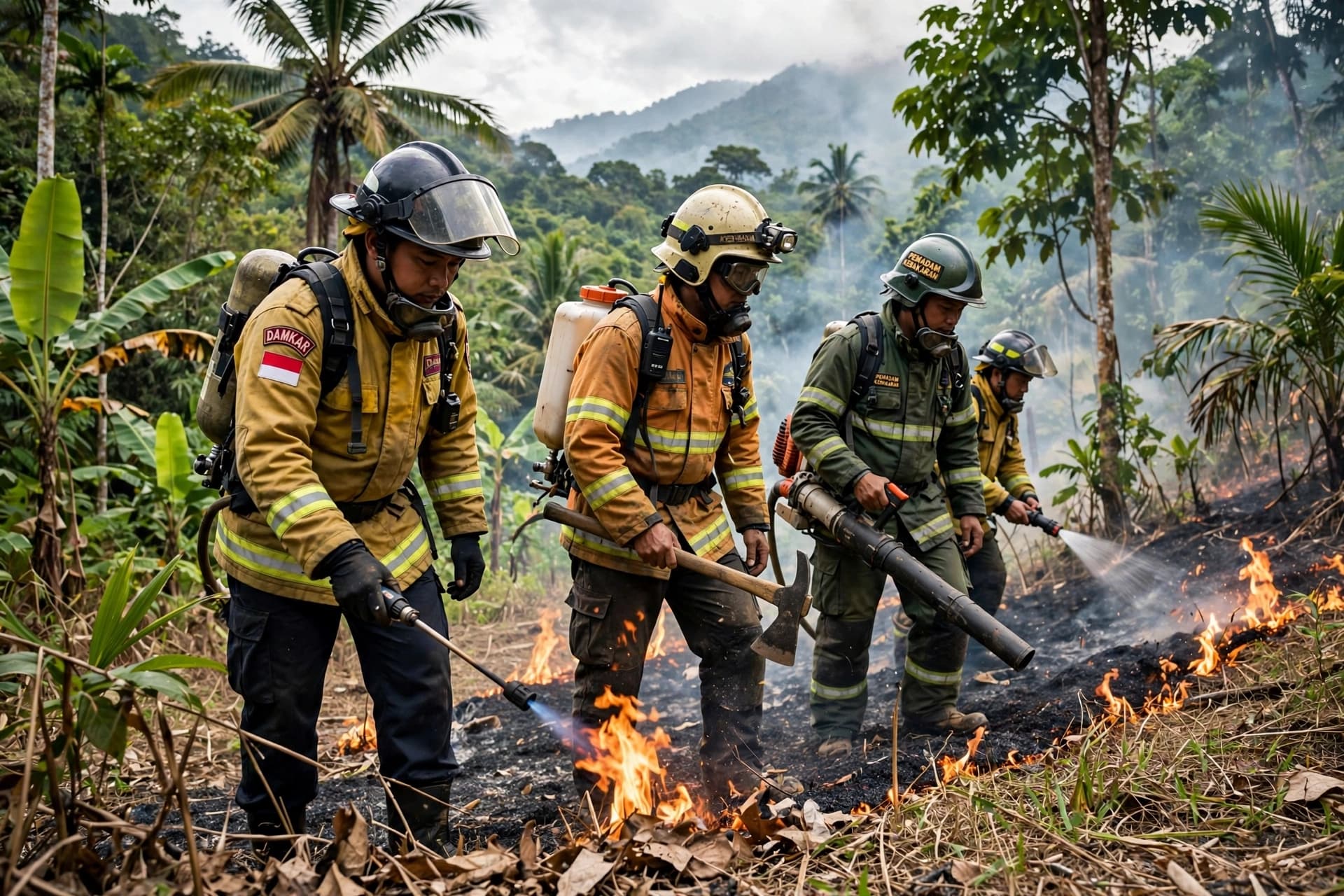
Assistance from neighboring countries can take different forms, including firefighting personnel, technical equipment, monitoring support, and coordination between emergency agencies. The value of such cooperation depends on how quickly resources can be deployed and whether they complement local prevention and response efforts. Support offered during a fire emergency is only one part of a larger strategy.
Preventing repeated haze episodes requires attention to the conditions that allow fires to begin and spread. Land-clearing practices, drainage of peatlands, prolonged dry weather, and difficulties enforcing fire restrictions can all contribute to the problem. Effective prevention therefore involves local communities, land managers, businesses, and government agencies working together before the smoke appears.
The economic effects can extend across the region. Severe haze may disrupt tourism, outdoor work, transportation, and other activities that depend on clear air. Businesses may need to adjust working conditions, while healthcare providers can experience additional demand from people seeking treatment for breathing difficulties. These costs demonstrate that fire prevention is also an investment in economic stability.
Singapore and Indonesia share a long-standing need to address transboundary haze through communication, monitoring, and practical cooperation. The immediate priority during a severe episode is to protect people and contain active fires. Over the longer term, reducing repeated smoke events will depend on fire prevention, responsible land management, and sustained cooperation across the region.
Published by Banx Network. This article is part of the Banx decentralized media programme, powered by the BXE token on the XRP Ledger.