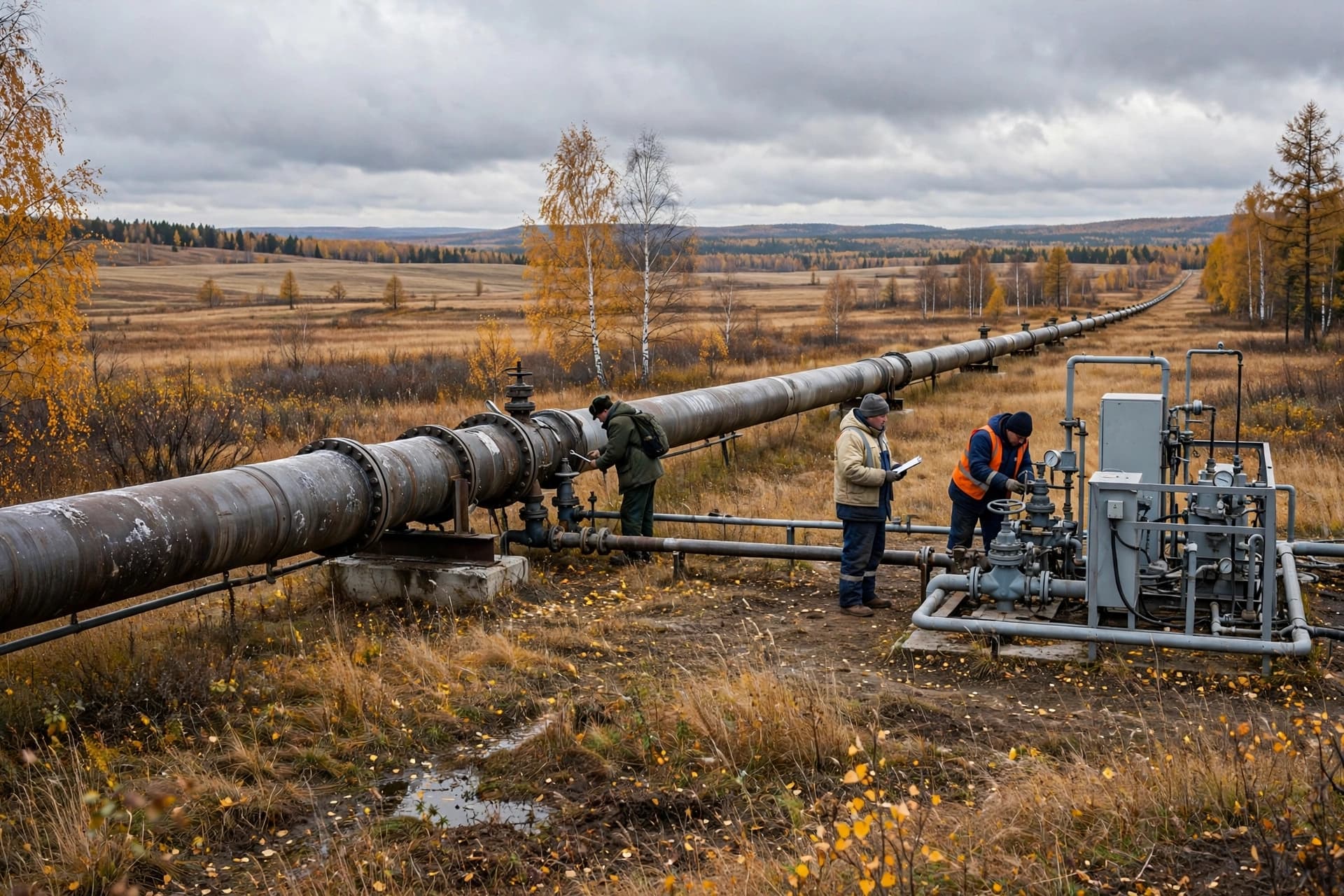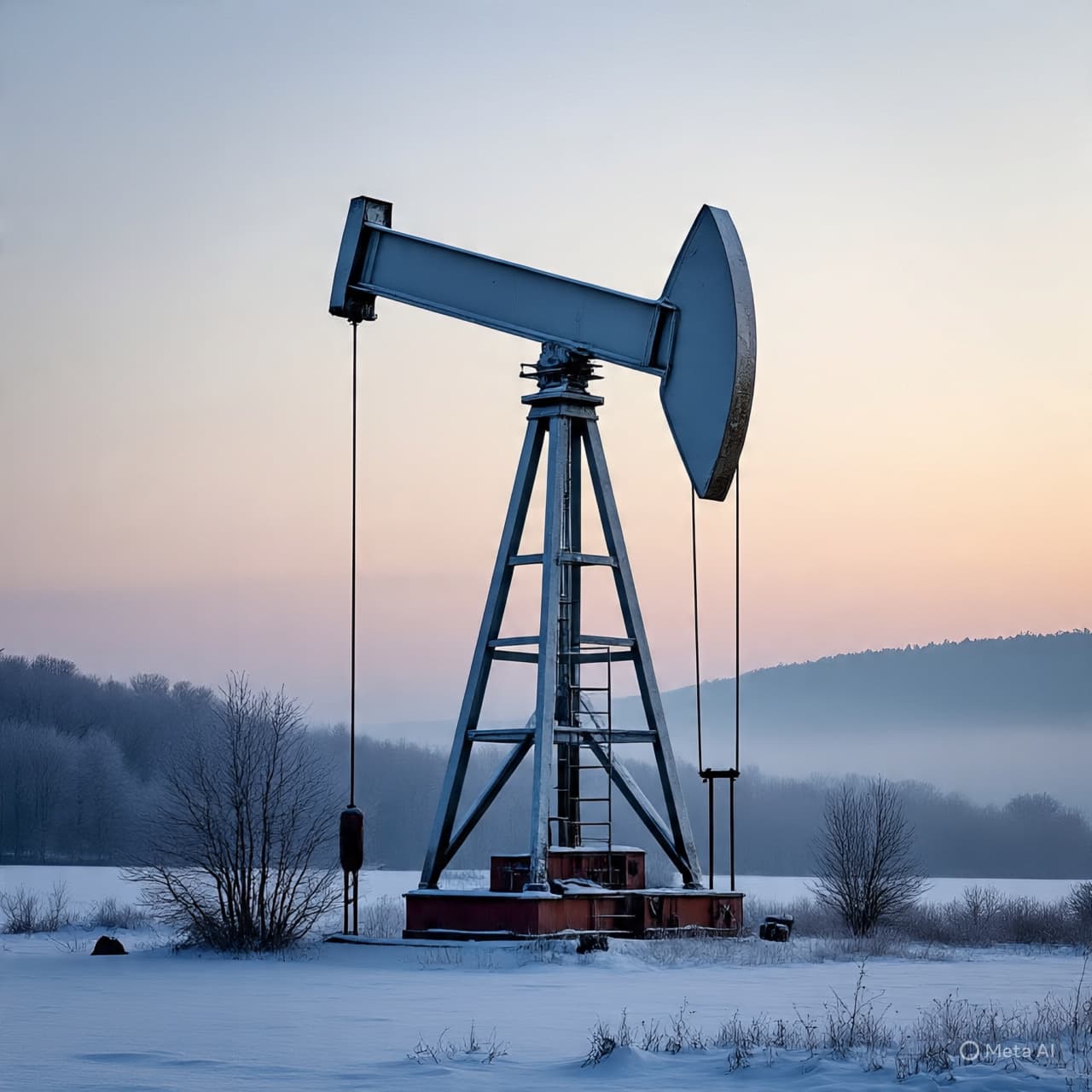
In the muted light of early winter, the oil market often resembles a wide expanse of water before dawn—seemingly still, yet shaped by currents far below the surface. Recent weeks carried the suggestion of turbulence, as unrest in Iran cast long shadows across trading floors and diplomatic channels alike. Iran’s position as a significant oil producer, paired with its proximity to critical shipping routes, lent those concerns a familiar gravity. But as days passed, the sense of immediacy began to soften, and the waters calmed.
Signs that the unrest was unlikely to spill into a broader regional conflict eased fears of sudden supply disruption. With the sharpest anxieties receding, prices found a narrow band in which to settle. Brent crude and U.S. benchmark prices held relatively steady, neither climbing on panic nor falling into retreat. The market, attentive yet restrained, appeared to accept that the most acute risks had drifted further from the present moment.
As attention drifted away from the Middle East, it did not disappear so much as it moved north. Greenland, remote in geography but newly prominent in political conversation, emerged as an unexpected focal point. While the island itself does not anchor global oil production, discussions surrounding its strategic importance raised the prospect of renewed friction between major economies. Traders weighed the possibility that such disputes could ripple outward, touching trade relations and, eventually, global demand.
This shift in focus illustrates how oil prices often respond less to single events than to the balance between them. When fears of constrained supply fade, questions of demand and economic stability take their place. The Arctic, with its icebound stillness, offered a stark contrast to earlier images of unrest, yet both spaces occupied the market’s imagination in equal measure.
For now, that imagination appears tempered by caution. Analysts continue to note ample supply in the global system, even as demand projections remain steady rather than exuberant. The absence of dramatic movement reflects a market content, at least temporarily, to watch rather than react.
In straightforward terms, oil prices steadied as concerns over potential supply disruptions linked to Iran eased. Market attention has since shifted toward geopolitical developments involving Greenland and their possible implications for global trade and future energy demand.
AI Image Disclaimer Illustrations were created using AI tools and are not real photographs.
Sources (Media Names Only) Reuters Bloomberg Channel News Asia The Business Times Investing.com
Published by Banx Network. This article is part of the Banx decentralized media programme, powered by the BXE token on the XRP Ledger.