The automobile is changing quietly, beginning beneath the hood and extending into the factories that build it. Engines are giving way to batteries, mechanical systems are increasingly connected to software, and countries are competing to build the industrial foundations of electric mobility.
Indonesia aims to begin mass production of domestically manufactured electric vehicles in 2028, President Prabowo Subianto said on August 13, according to Reuters. The plan forms part of the country's broader effort to develop a domestic EV industry.
Indonesia occupies an important position in the global battery supply chain because of its large nickel resources. Nickel is used in several types of batteries, including lithium-ion battery chemistries used in electric vehicles.
For years, the country has sought to move beyond exporting raw minerals by encouraging processing and manufacturing inside Indonesia. The EV industry provides one potential pathway for adding more value before products reach international markets.
Building an electric vehicle, however, requires much more than battery materials. Automakers need factories, supply chains, battery systems, electronics, software, charging infrastructure and workers trained in modern vehicle technologies.
Indonesia has attracted investment from international automotive companies seeking access to its large domestic market and its position within Southeast Asia. Local production can also reduce the distance between manufacturers and customers in the region.
The government's target for 2028 therefore represents a manufacturing ambition as much as an environmental one. Domestic EV production could create demand for components, engineering services and specialized manufacturing capabilities.
Electric vehicles also require a different supporting infrastructure. Charging stations must become sufficiently available for consumers to feel comfortable making the transition from conventional vehicles.
The electricity system becomes part of that equation as well. If electric vehicle adoption grows significantly, demand for electricity will increase, making reliable generation and transmission increasingly important.
Consumers will ultimately shape the pace of adoption. Vehicle prices, driving range, charging availability, maintenance costs and consumer confidence all influence whether an electric car becomes a practical choice for everyday transportation.
Indonesia's abundant nickel resources provide an important starting point, but the journey toward a domestic automotive industry involves many stages. Raw materials must connect with processing facilities, battery production, vehicle assembly and a network of suppliers.
The country is also competing with established automotive manufacturing centers across Asia. Building a competitive EV industry will therefore depend on production efficiency, technology, quality and the ability to integrate Indonesian factories into regional supply chains.
For now, the 2028 target provides a clear horizon for Indonesia's automotive ambitions. If the planned transition develops as intended, the country's mineral resources could become connected to a much broader industrial chain—from the battery materials beneath the ground to electric vehicles moving along Indonesian roads.
Image Disclaimer
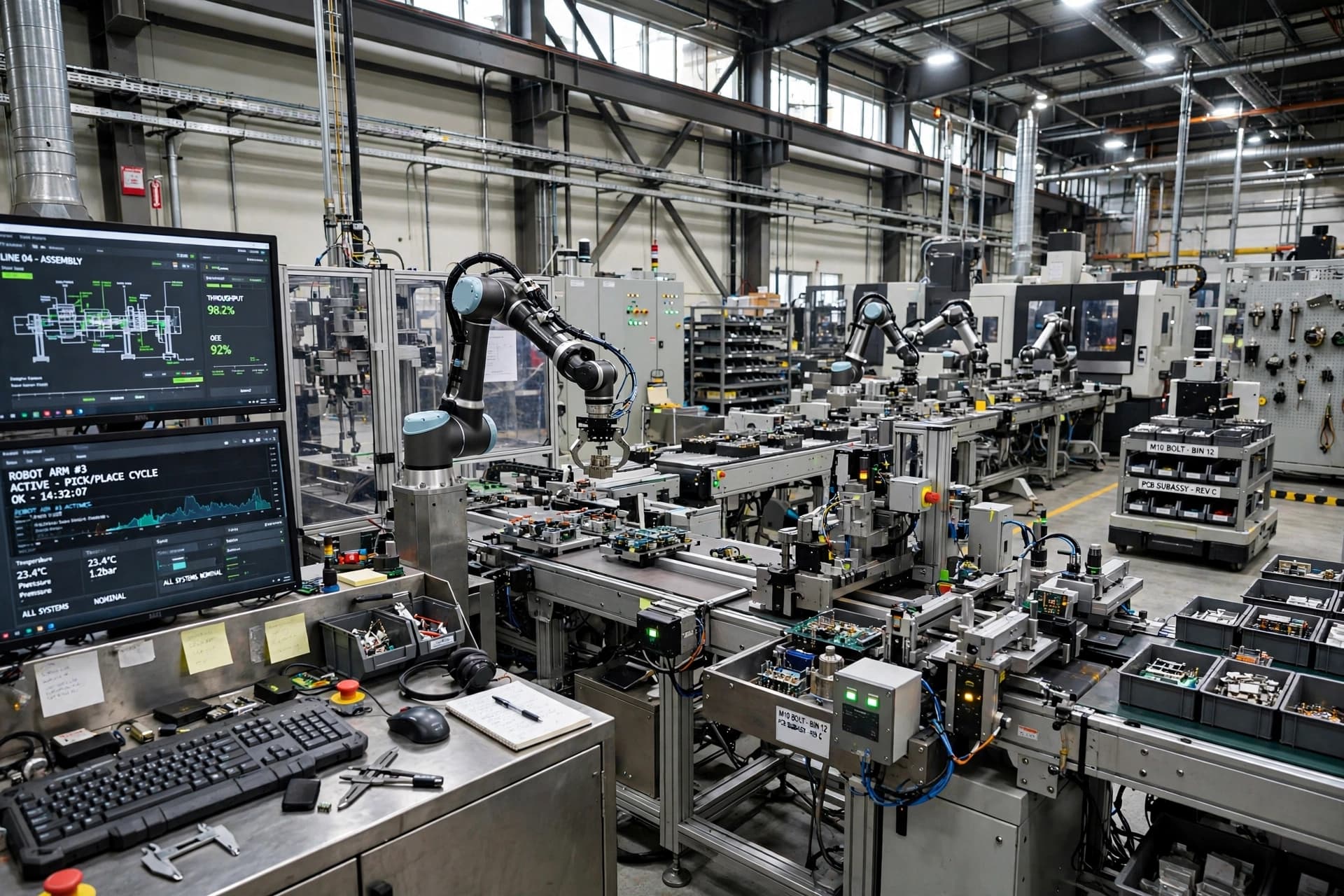
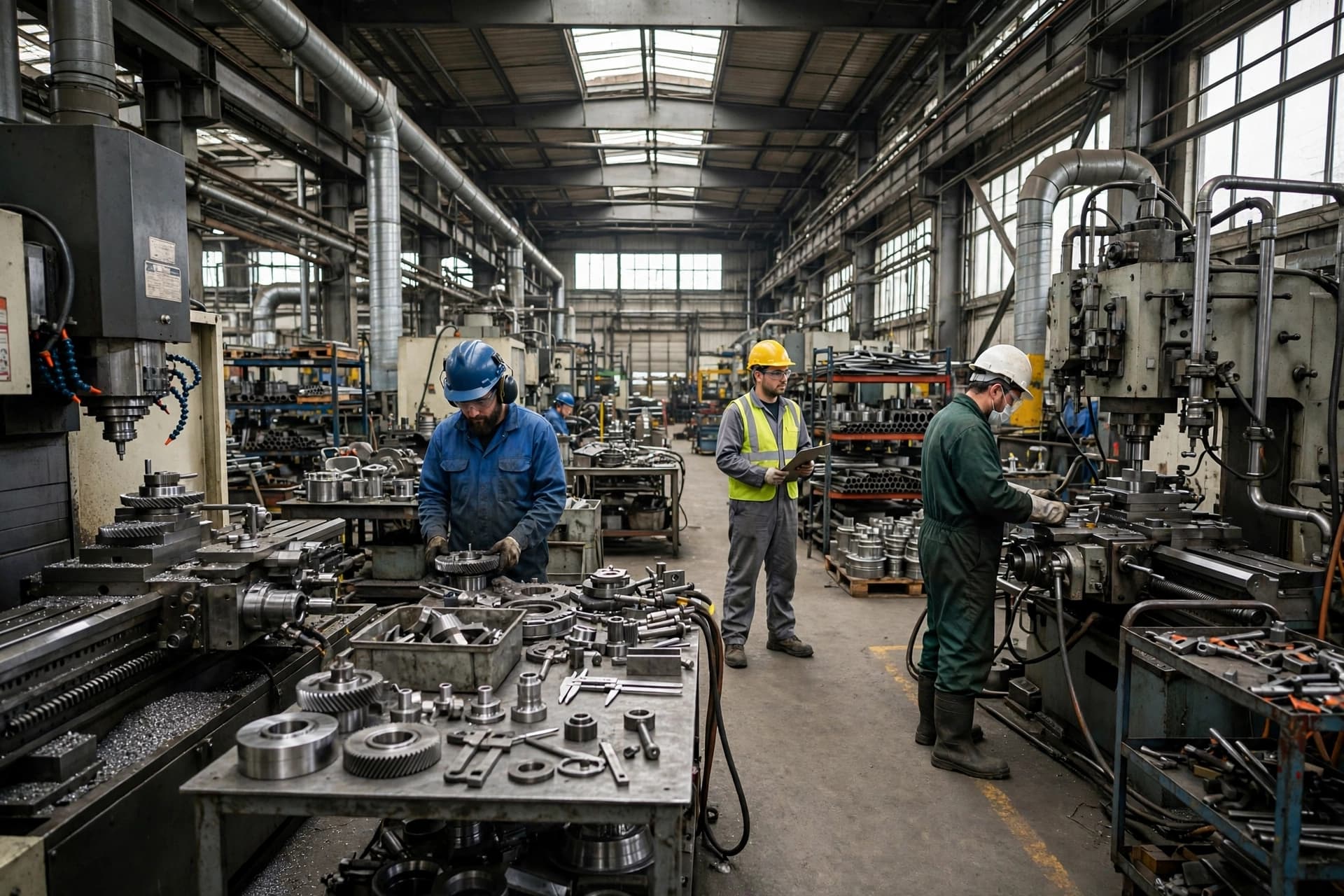
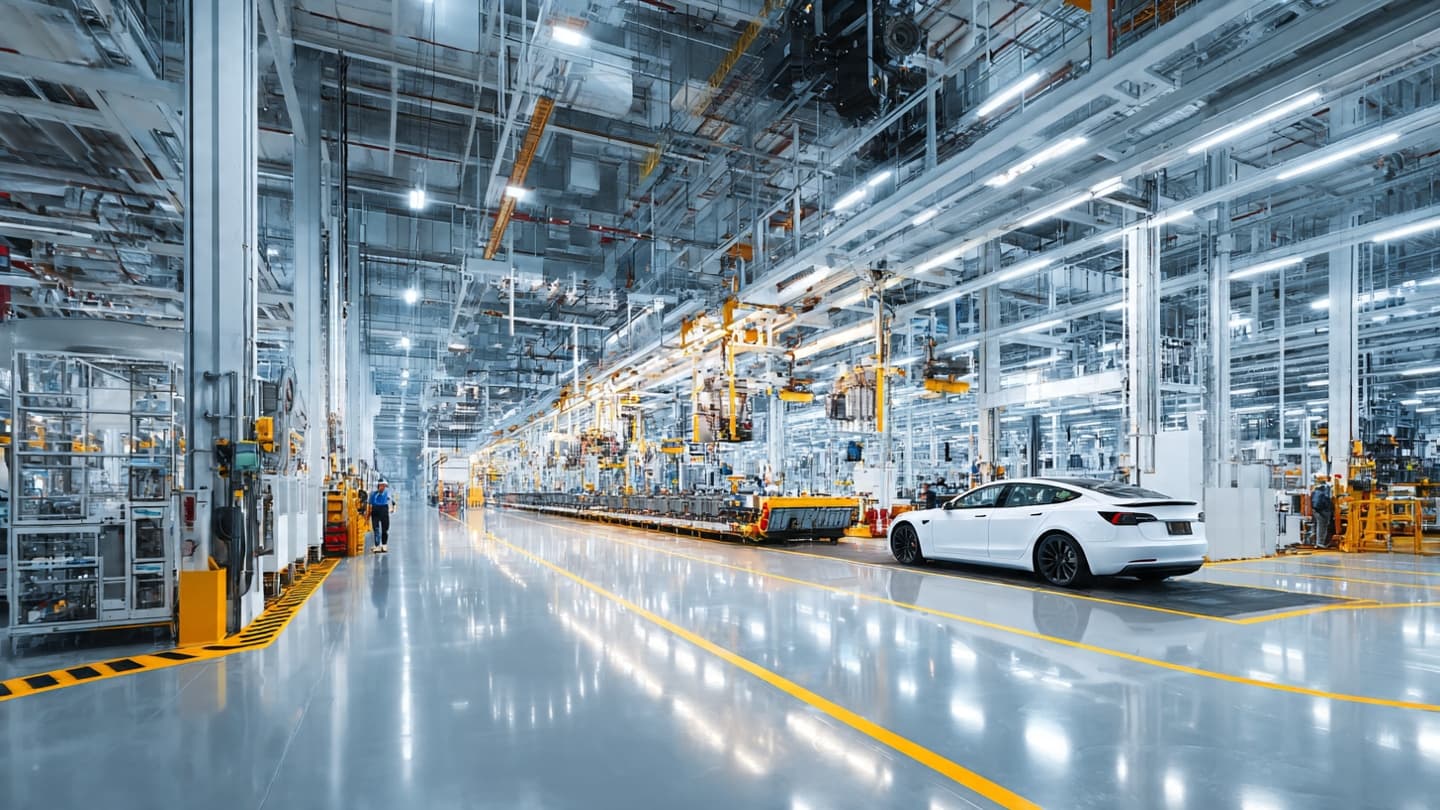
These images were generated with AI and are conceptual representations of Indonesia’s electric-vehicle manufacturing ambitions, not actual production photographs.
Sources
Reuters Ministry of Industry of Indonesia Ministry of Energy and Mineral Resources ANTARA International Energy Agency
Published by Banx Network. This article is part of the Banx decentralized media programme, powered by the BXE token on the XRP Ledger.