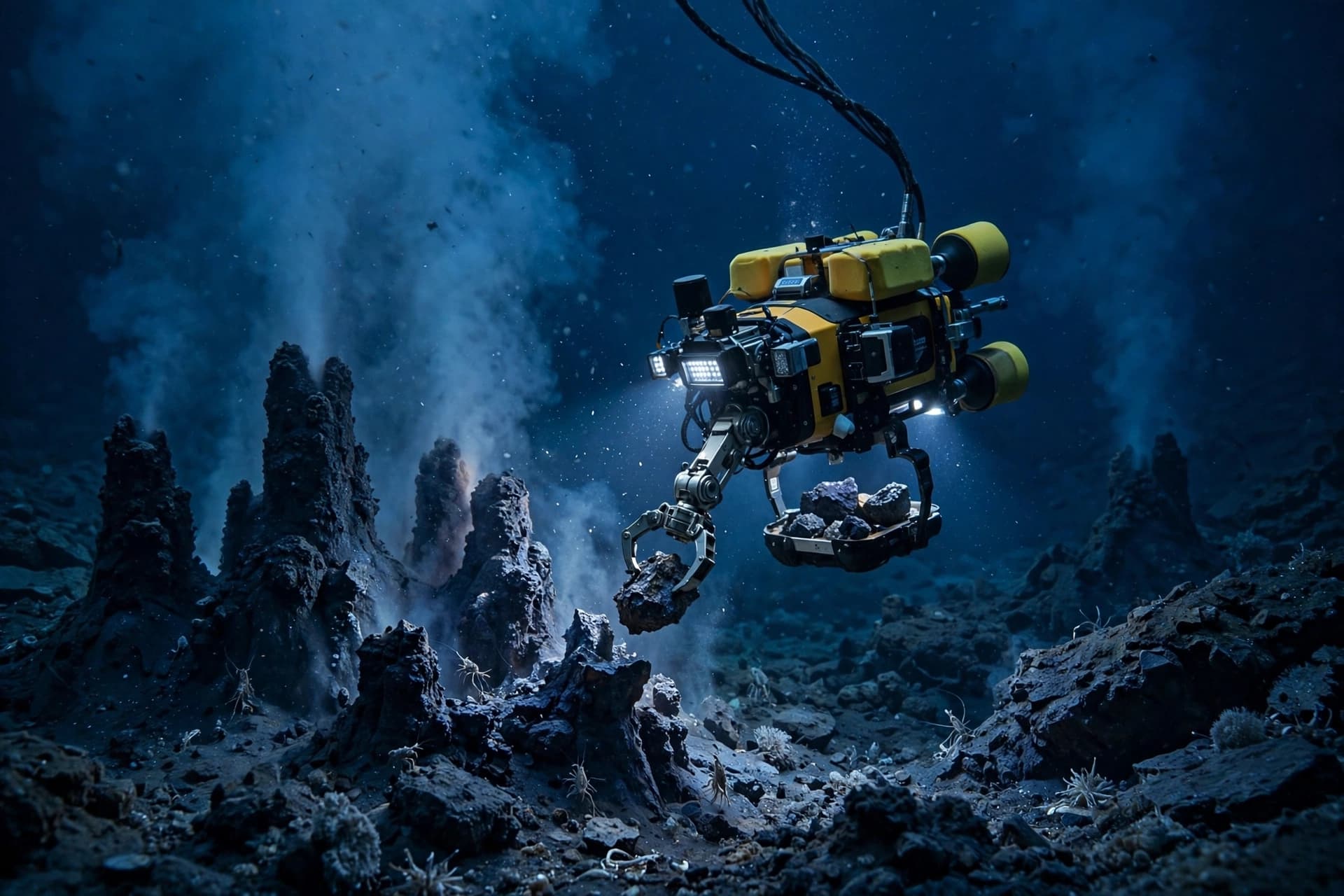
In the quiet of space’s ancient dust lies a silent whisper — the faint trace of molecules that may have danced long ago in the winds of a newborn solar system. From the rubble of Asteroid Bennu, carried to Earth across cosmic miles by OSIRIS-REx, scientists have now drawn out an unexpected secret: a “gum-like” substance and sugars that could link the stars to the origins of life itself.
When the samples returned in 2023, they promised pristine material — fragments of a world far older than Earth, untouched by our planet’s weather and life. This December, teams analyzing those grains announced they found the five-carbon sugar ribose and, for the first time in an extraterrestrial sample, six-carbon glucose — both fundamental to life as we know it. Ribose plays a key role in building RNA, the molecular backbone that underlies genetic information and early biochemical reactions; glucose is a primary source of energy for living cells.
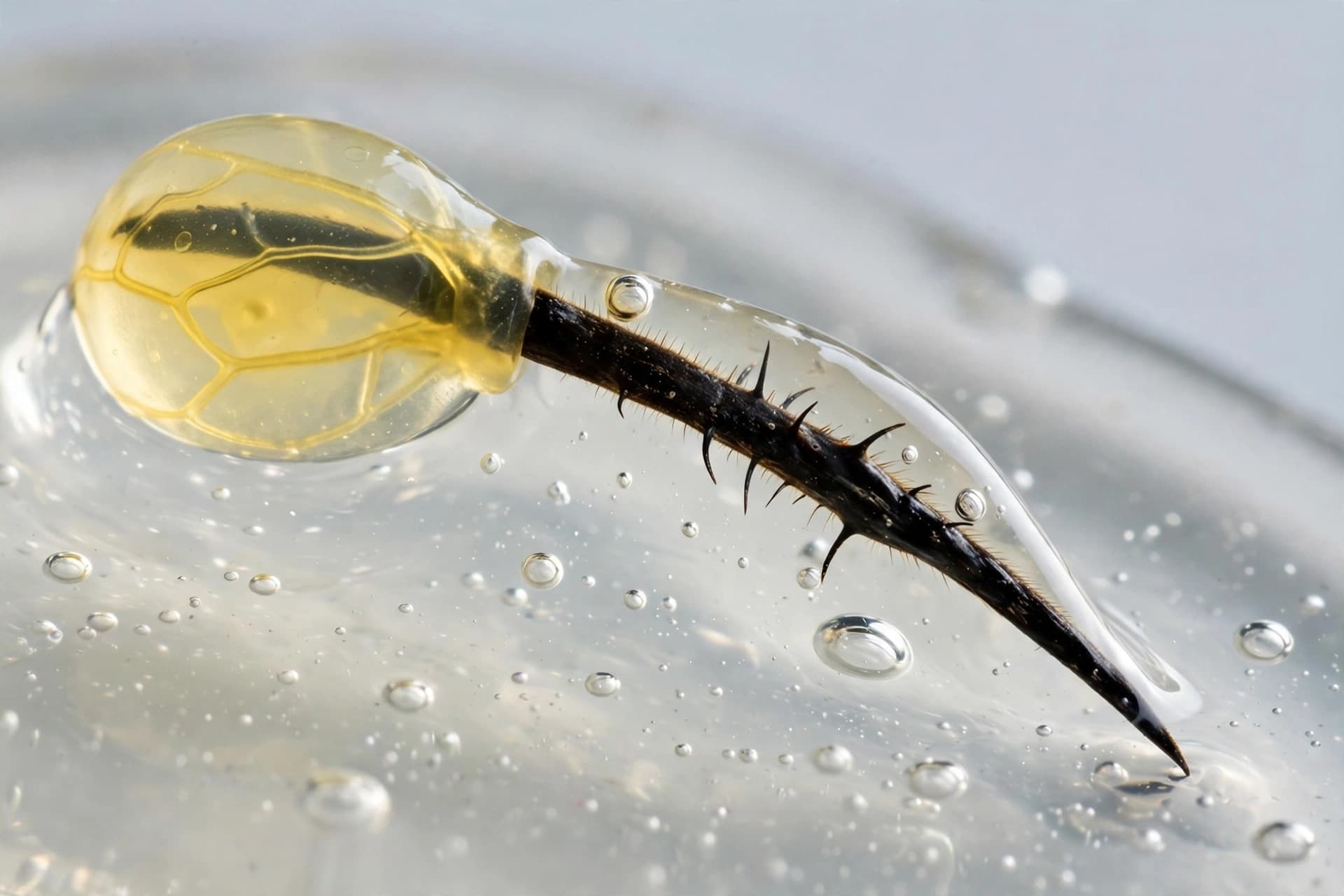
But even more surprising is the discovery of a strange polymer — a sticky, “gum-like” organic material that researchers had never before encountered in space rocks. In its earliest form, this material may have been soft and pliable, later hardening over billions of years — a kind of ancient “space plastic,” rich in nitrogen and oxygen.
These findings do not by themselves prove that life existed on Bennu — but they strengthen a powerful idea: that the basic chemical ingredients for life may have been widespread in the early solar system. Asteroid fragments like Bennu could have seeded young Earth with the raw molecular building blocks — sugars, amino-acids, primitive polymers — long before the first living cells ever arose.
That thought — that our planet’s earliest “primordial soup” might have been stirred not just by Earth’s own chemistry, but by ancient visitors from space — evokes a kind of cosmic poetry. Somewhere between dust and rock, between stardust and gravity, the seeds of life may have drifted across time, waiting for a home.
As researchers continue to examine Bennu’s precious cargo — alongside samples from other asteroids — each grain may tell more about the chemistry of the early solar system, the pathways toward life, and perhaps even the universality of those pathways. For now, Bennu whispers: the cosmos might have carried more than rock — it may have carried possibility.
AI Image Disclaimer: “Visuals are generated with AI tools and intended purely as conceptual illustrations.”
Sources: NASA, CBS News, Scientific media outlets, Nature-journal reports.
Published by Banx Network. This article is part of the Banx decentralized media programme, powered by the BXE token on the XRP Ledger.