
Key Highlights
- AI investment in the U.S. is reshaping global business dynamics.
- Demand for semiconductor technology is surging due to AI infrastructure growth.
- Energy management is becoming crucial for large data centers.
Across the United States, a new industrial landscape is forming behind the quiet glow of computer screens and the constant movement of data. Artificial intelligence (AI) has moved beyond laboratories, becoming a major force shaping investment, manufacturing, and infrastructure. This transformation is not just a technological shift; it represents a fundamental change in how businesses operate and compete in the global economy.
Companies are significantly increasing their spending on AI systems that require powerful computer chips, advanced data centers, and reliable energy supplies. This expansion has created new opportunities across multiple sectors of the economy, from healthcare to finance, as organizations seek to leverage AI for efficiency and innovation. The growth of AI infrastructure has led to a corresponding increase in demand for semiconductor technology, with chip manufacturers and technology companies ramping up their capacity to support the growing needs of AI applications.
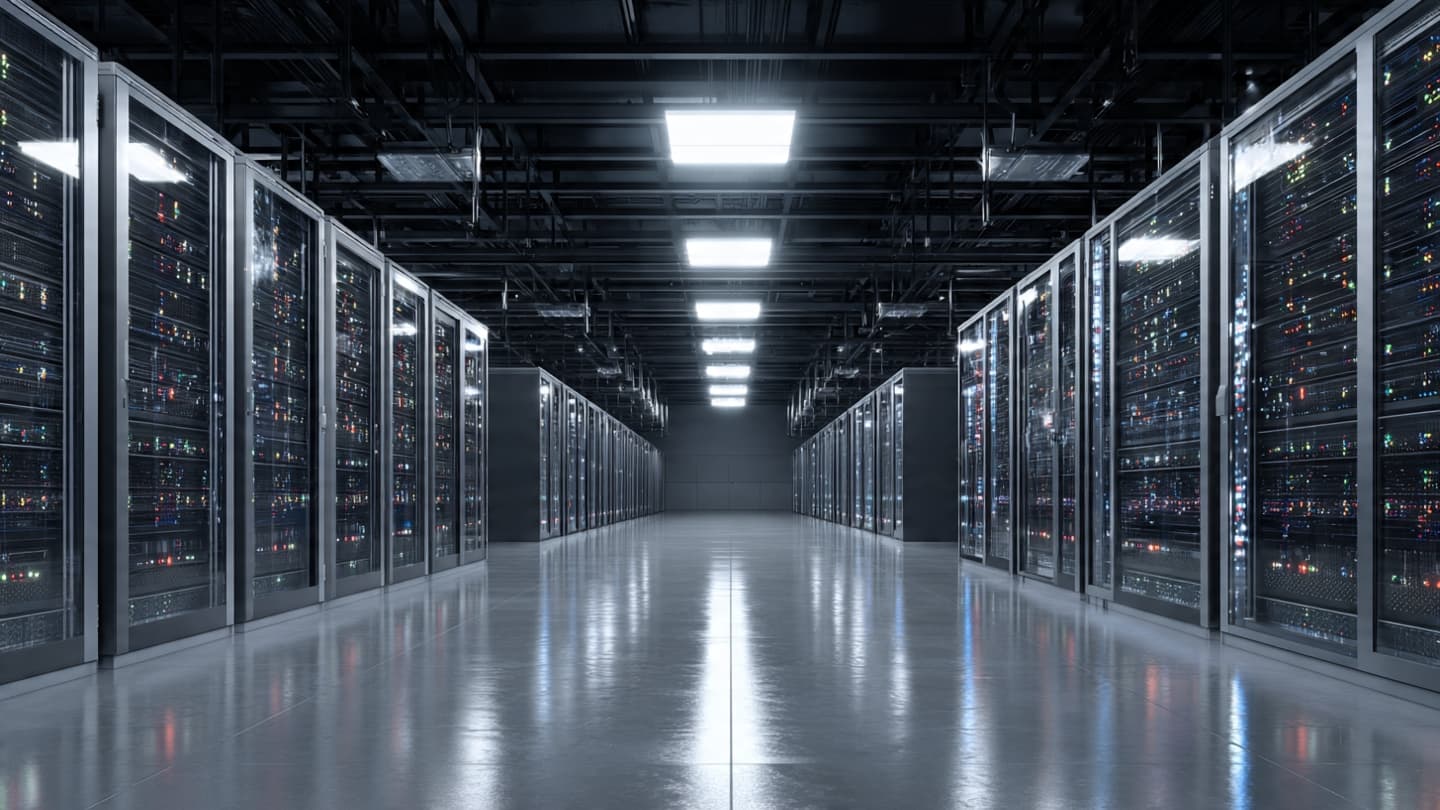
Energy has also become a central part of the conversation surrounding AI development. Large data centers, which are essential for processing vast amounts of data, require significant power resources. This has encouraged businesses to explore new solutions for long-term energy management, including renewable energy sources and more efficient power usage strategies. As companies invest in AI, they are also being pushed to consider their environmental impact and sustainability practices.
The transformation brought about by AI is affecting communities where new technology facilities are being developed. While investment brings economic opportunities, it also creates new planning challenges for local governments and infrastructure. Communities must adapt to the influx of jobs and the demand for housing and services that accompany the growth of AI-driven industries.
American technology companies continue to compete fiercely to develop more advanced AI systems. Their efforts are supported by a robust network of engineers, manufacturers, and infrastructure providers, all working together to push the boundaries of what AI can achieve. This collaborative environment is fostering innovation and driving the U.S. to remain at the forefront of AI development.
The expansion of AI reflects a broader change in the global economy. Digital intelligence is becoming increasingly intertwined with traditional industries, creating new relationships between technology and production. Investors are closely monitoring this sector as companies balance the opportunities for innovation with the costs associated with rapid expansion.
As the United States remains one of the largest centers of AI development, infrastructure growth continues across technology and industrial sectors. The implications of this investment wave are profound, not only for the U.S. economy but for global business dynamics as well. The future of AI investment will likely shape the landscape of industries worldwide, influencing everything from manufacturing processes to consumer behavior.
Published by Banx Network. This article is part of the Banx decentralized media programme, powered by the BXE token on the XRP Ledger.



