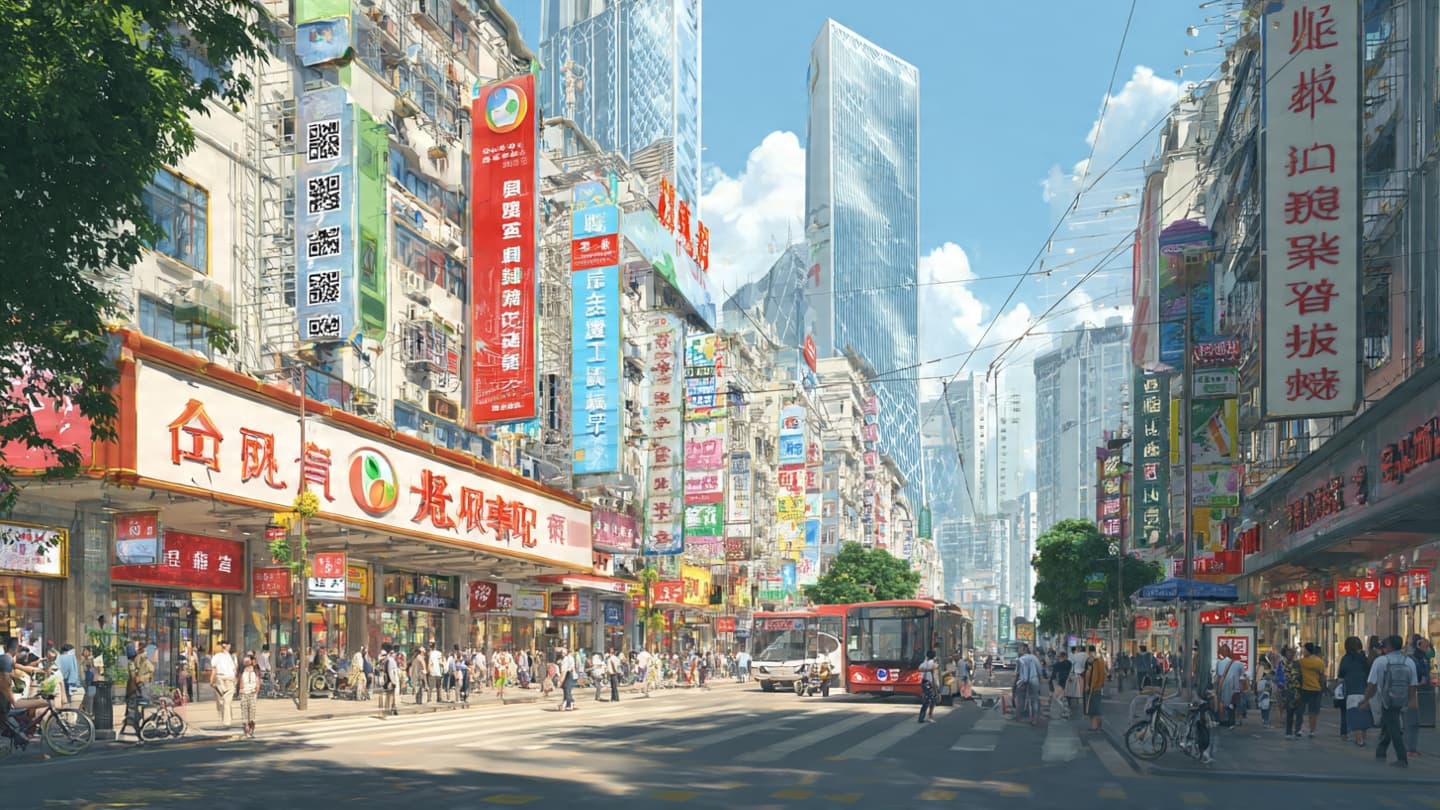
The modern Chinese city moves through layers of information almost as naturally as it moves through streets. A payment is completed without cash, a parcel crosses a warehouse before reaching a doorstep, and a business manages customers through systems that exist largely behind a screen. Beneath these ordinary moments, China's digital economy continues to expand.
China has built one of the world's largest digital consumer markets, supported by widespread internet access, mobile payments, e-commerce platforms, and increasingly sophisticated logistics networks. The scale of that ecosystem allows new technologies to move quickly from experimental products into everyday services.
E-commerce remains an important part of this transformation. Online shopping has become deeply integrated into consumer behavior, while increasingly efficient delivery networks connect major cities with smaller communities across the country.
Mobile payments have similarly changed the way transactions take place. Digital wallets and QR-code payments are widely used in stores, restaurants, transportation, and other daily activities, creating an environment in which physical cash is no longer essential for many transactions.
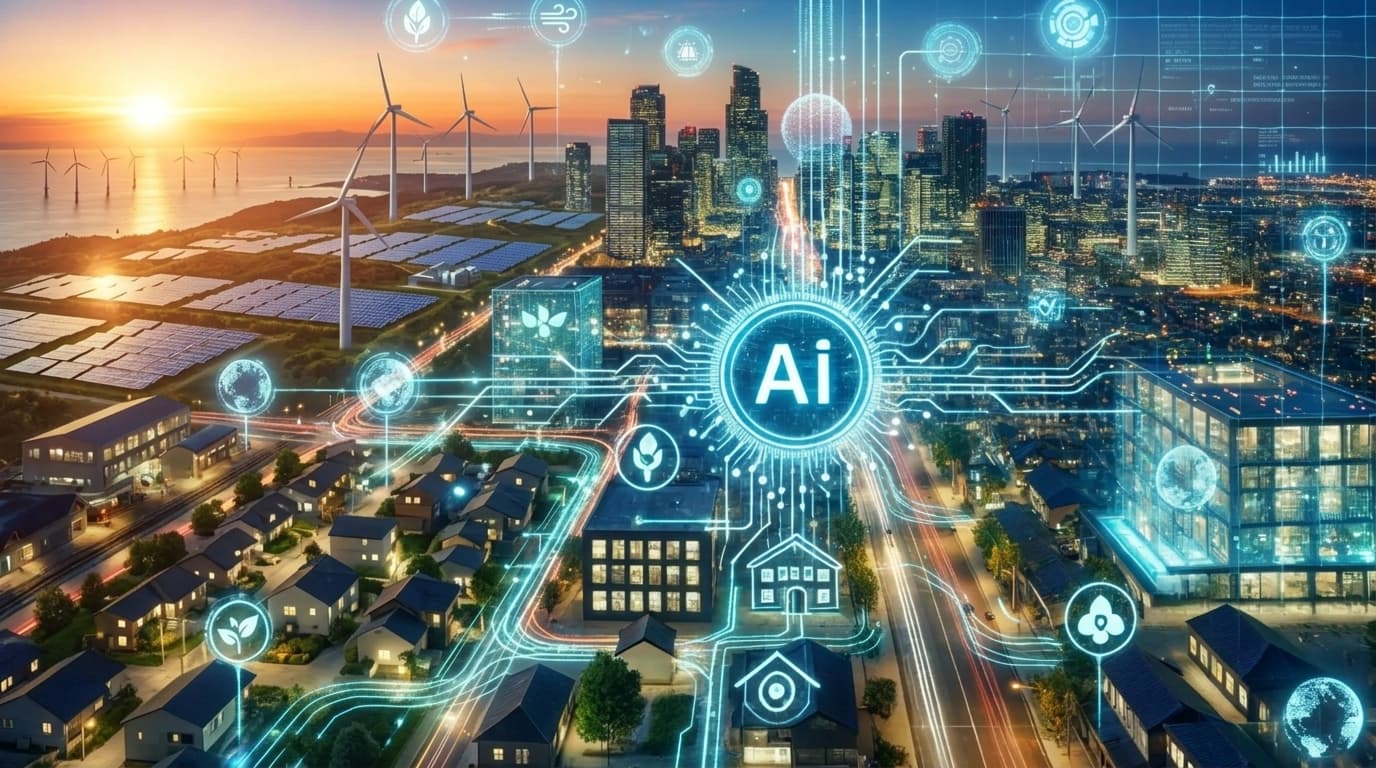
The next stage of development is increasingly connected to artificial intelligence. Chinese technology companies are investing in AI models, cloud infrastructure, data centers, and applications designed for businesses and consumers.
For companies, digital systems can provide new ways to understand customers, automate administrative work, manage inventories, and coordinate supply chains. Smaller businesses can also gain access to online marketplaces that allow them to reach customers beyond their immediate neighborhoods.
The transformation is not limited to commercial activity. Digital technologies are also being integrated into transportation, education, healthcare, manufacturing, and public services. The boundaries between traditional industries and technology companies have therefore become less distinct.
Yet rapid digitalization brings its own challenges. Data security, privacy, cybersecurity, and responsible use of artificial intelligence have become increasingly important as more economic activity moves through digital infrastructure.
China's digital economy is consequently entering a more mature stage. The early transformation was defined by smartphones and e-commerce; the emerging phase is increasingly shaped by AI, cloud computing, automation, and intelligent systems.
For consumers, much of this change may remain almost invisible because it is incorporated into ordinary routines. A payment, delivery, recommendation, or automated service can take place in seconds. Behind those seconds, however, is an enormous network of technology, people, data, and infrastructure continuing to reshape China's economic landscape.
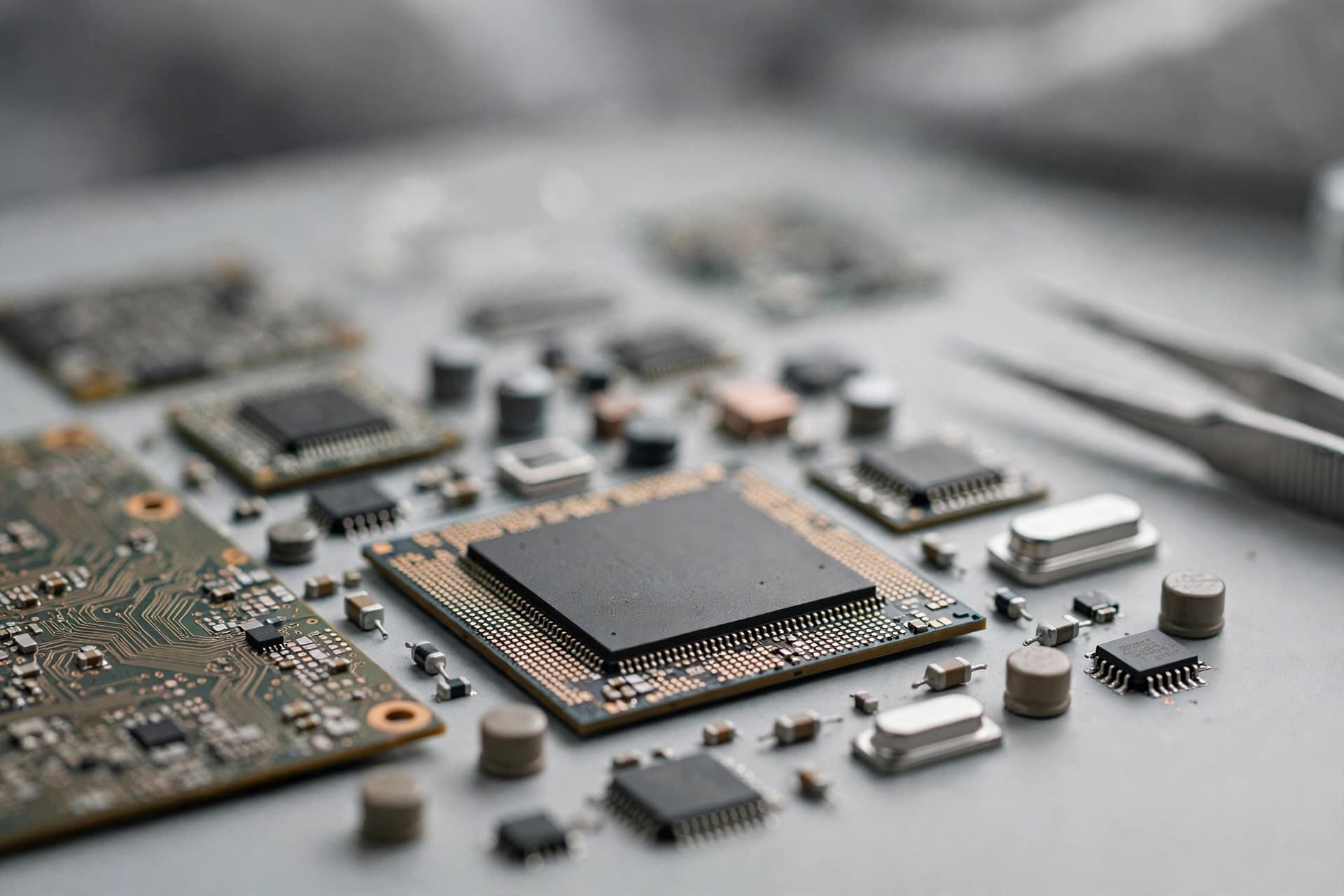
AI Image Disclaimer: These illustrations were generated using AI and serve as conceptual representations of China’s digital economy.
Sources:
Reuters National Bureau of Statistics of China Ministry of Industry and Information Technology of China Cyberspace Administration of China World Bank
Published by Banx Network. This article is part of the Banx decentralized media programme, powered by the BXE token on the XRP Ledger.