There are places in the solar system where time seems to have folded into itself — where ancient surfaces preserve whispers of conditions long past. On Mars, billions of years ago, lakes may have filled crater basins and sediment settled slowly in their basins, recording in stone the rhythm of an ancient world. Today, on a distant plain called Gale Crater, those whispers have taken a new form in the tiniest of traces: surprisingly complex organic molecules nestled deep within Martian mudstone, discovered by NASA’s longtime rover explorer, NASA’s Curiosity rover.
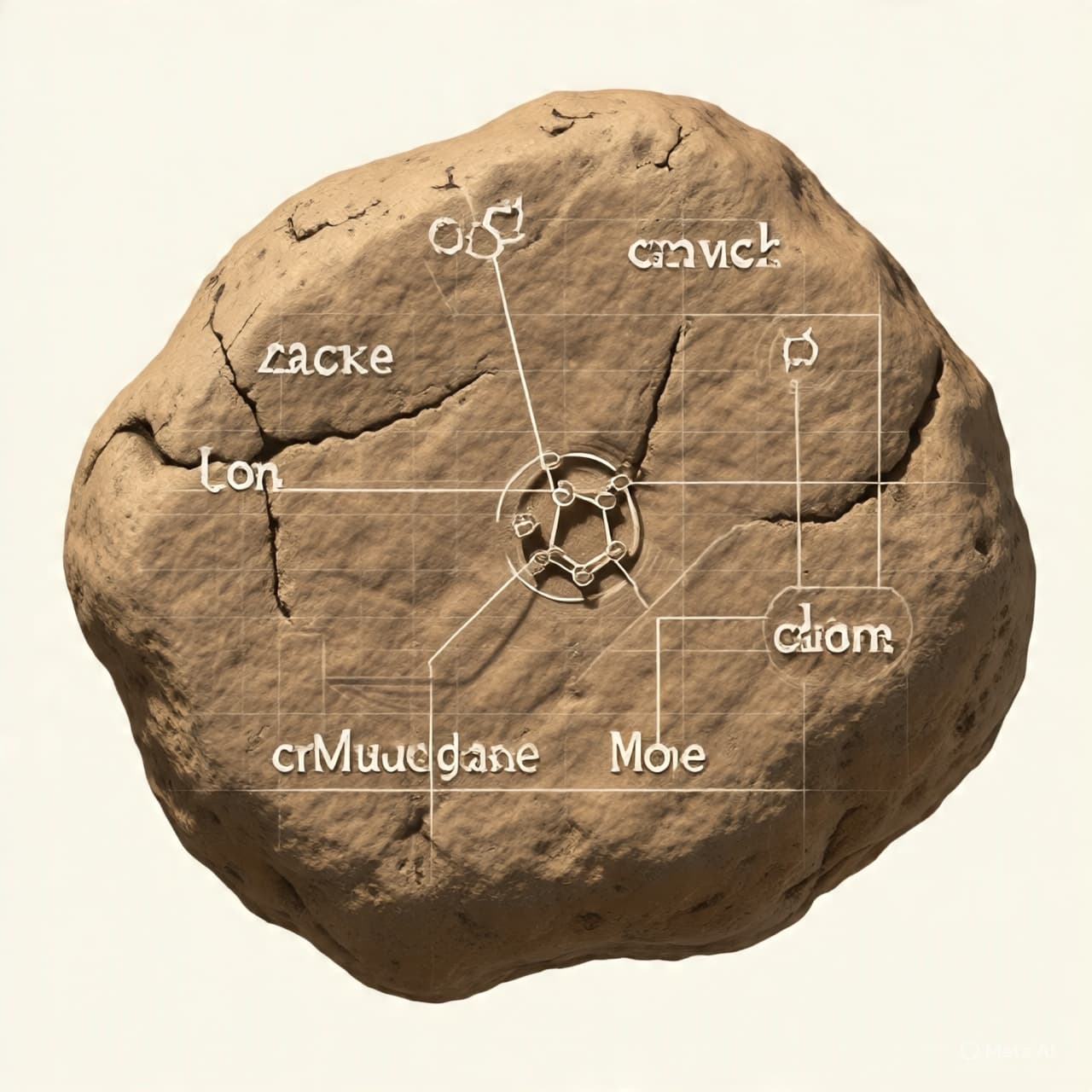
In recent analysis of rock samples drilled from what was once a watery environment, scientists have detected carbon-chain molecules composed of up to twelve linked carbon atoms — the longest and most intricate organic structures yet found on Mars. These compounds, including hydrocarbon chains such as decane, undecane and dodecane, represent a step beyond the simpler organics previously identified on the Red Planet and suggest that Mars’ ancient chemistry was more advanced than researchers could once confirm.
Organic molecules — those containing carbon and hydrogen — are fundamental to Earth’s biology, forming the backbones of fats, proteins and other building blocks of life. Yet they can also arise through non-biological geochemical processes, especially in environments shaped by water and heat. What sets this new finding apart is not just the length of the carbon chains, but the environment in which they were preserved: fine-grained sedimentary rock that once lay beneath a 3.7-billion-year-old lake.
Researchers caution that the presence of these long carbon chains is not direct evidence of past life on Mars. Instruments aboard the rover — including the Sample Analysis at Mars (SAM) laboratory — detect and measure molecules but cannot yet determine how they formed. They could be the products of ancient microbial processes, or they might have been generated through geological mechanisms that mimic complexity without involving biology.
To better understand this ambiguity, a recent follow-up study examined whether known non-biological sources, such as carbon delivered by meteorites or formed through rock chemistry, could account for the abundance of these molecules. The study concluded that none of the considered non-biological mechanisms fully explains the amount of complex organics detected — a result that does not prove life, but does leave room for intriguing possibilities and invites further study.
The discovery builds on years of Curiosity’s careful exploration in Gale Crater, where previous findings of simpler organics and even seasonal methane variations hinted at a chemically rich — and possibly habitable — ancient Mars. The new long-chain molecules now add depth to that record, enriching scientists’ understanding of Martian organic chemistry and its potential evolution over eons.
Beyond the scientific community, the finding resonates with a broader public imagination about Mars and its mysteries. For decades, humans have looked to the Red Planet as a neighbor that once may have harbored water and, conceivably, life. Each new discovery — from mudstones to methane plumes to these complex carbon structures — adds nuance to that picture: life’s chemical ingredients may have existed, even if the question of life itself remains unresolved.
Future missions, including those designed to return Martian rocks to Earth for detailed laboratory analysis, may one day help discriminate between the many possible origins of these organic molecules. Until then, Curiosity’s latest findings remain a testament to the rover’s enduring contribution to planetary exploration — and to the subtle ways the Red Planet still speaks to us through ancient chemical signatures.
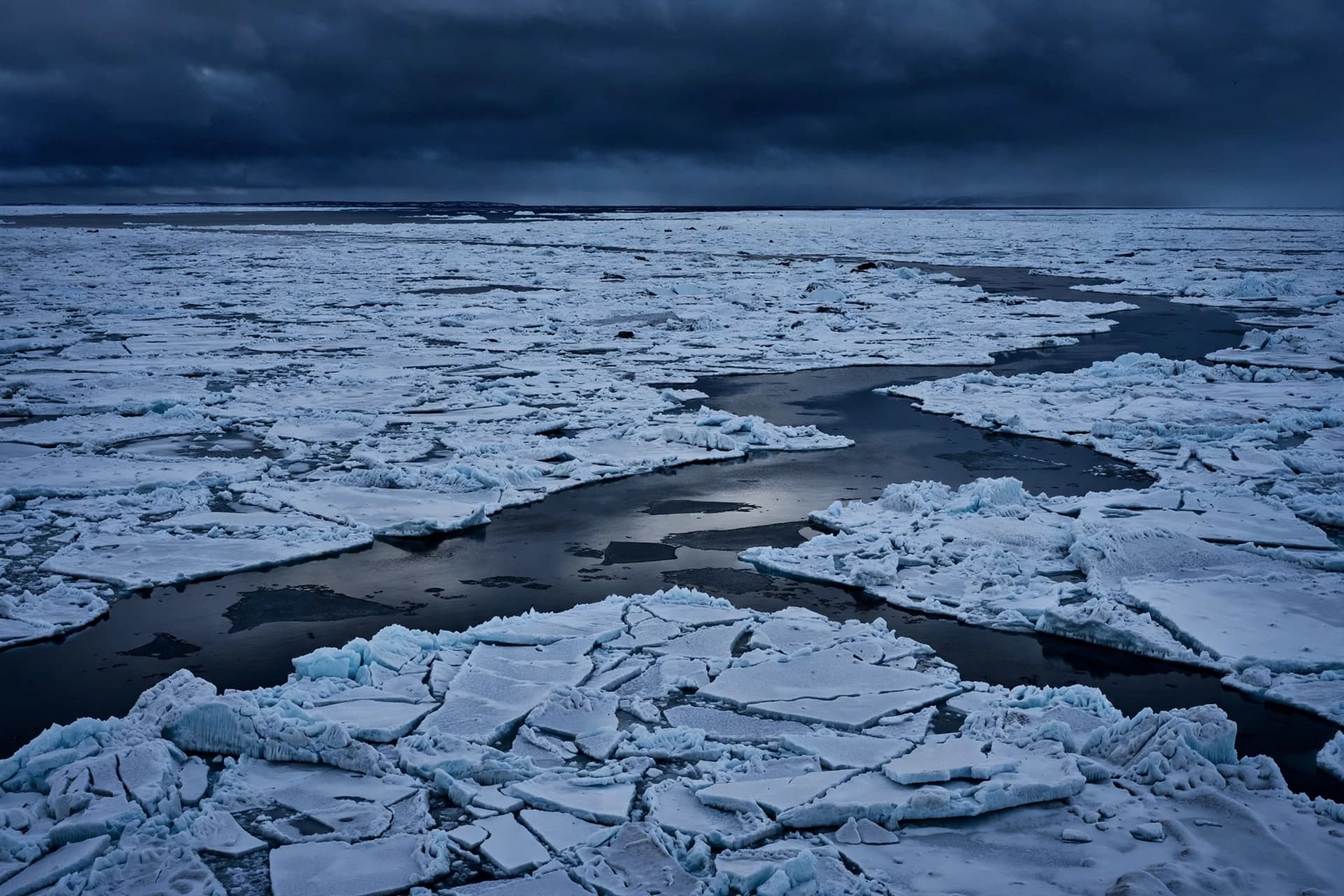
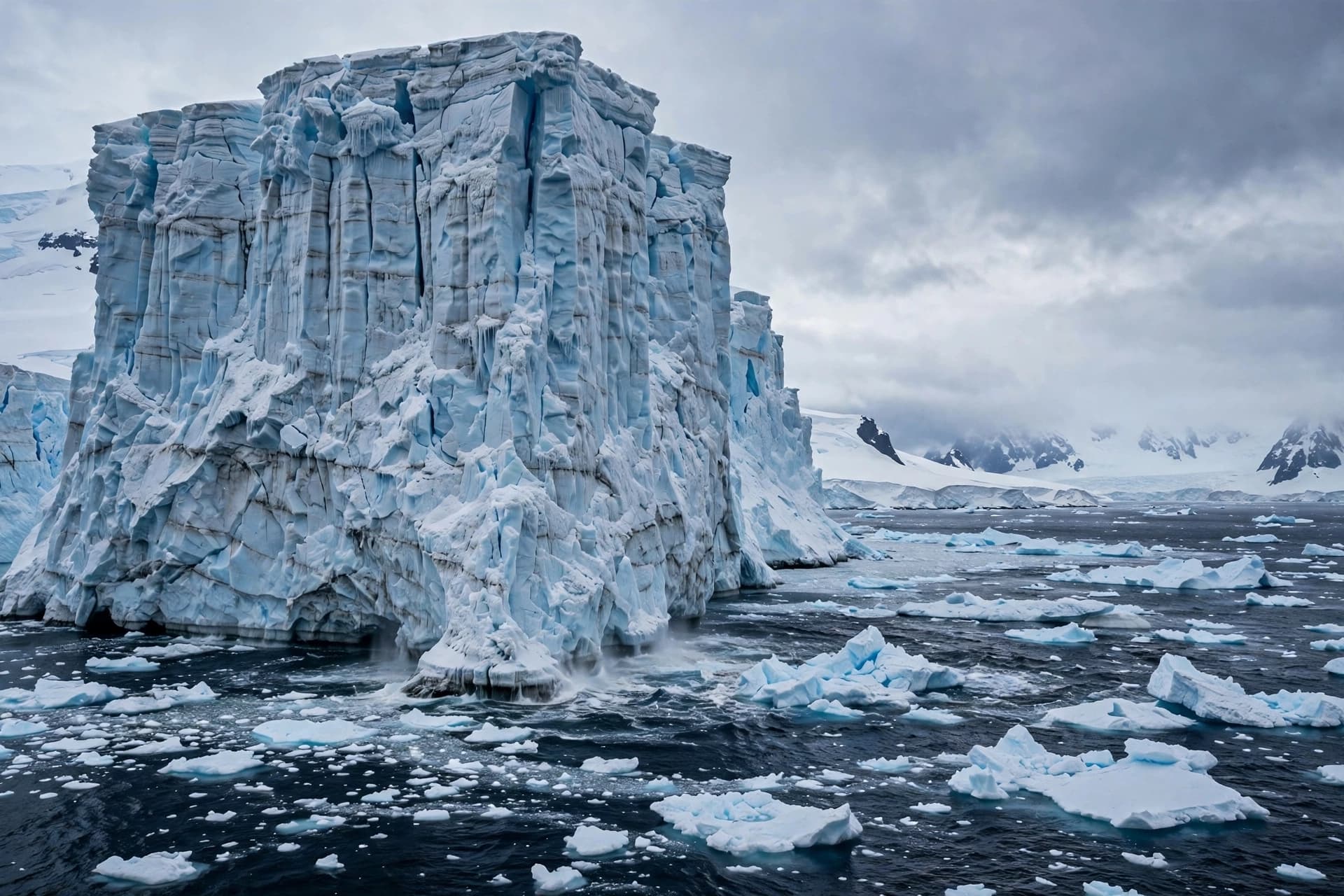
AI Image Disclaimer Visuals are created with AI tools and are not real photographs.
Sources Reuters BBC News Space.com NASA Science Blog / Astrobiology journal reporting Times of India
Published by Banx Network. This article is part of the Banx decentralized media programme, powered by the BXE token on the XRP Ledger.