The sky above a city has long belonged to conventional aircraft, helicopters and the occasional distant passenger jet. But the boundaries of urban aviation are beginning to shift as companies search for quieter, smaller and more flexible ways to move through the air.
Joby Aviation said Tuesday that it will acquire defense technology company Resonant Sciences in a deal valued at approximately $500 million. The transaction expands Joby's activities beyond its central air-taxi ambitions into advanced sensing and defense technology.
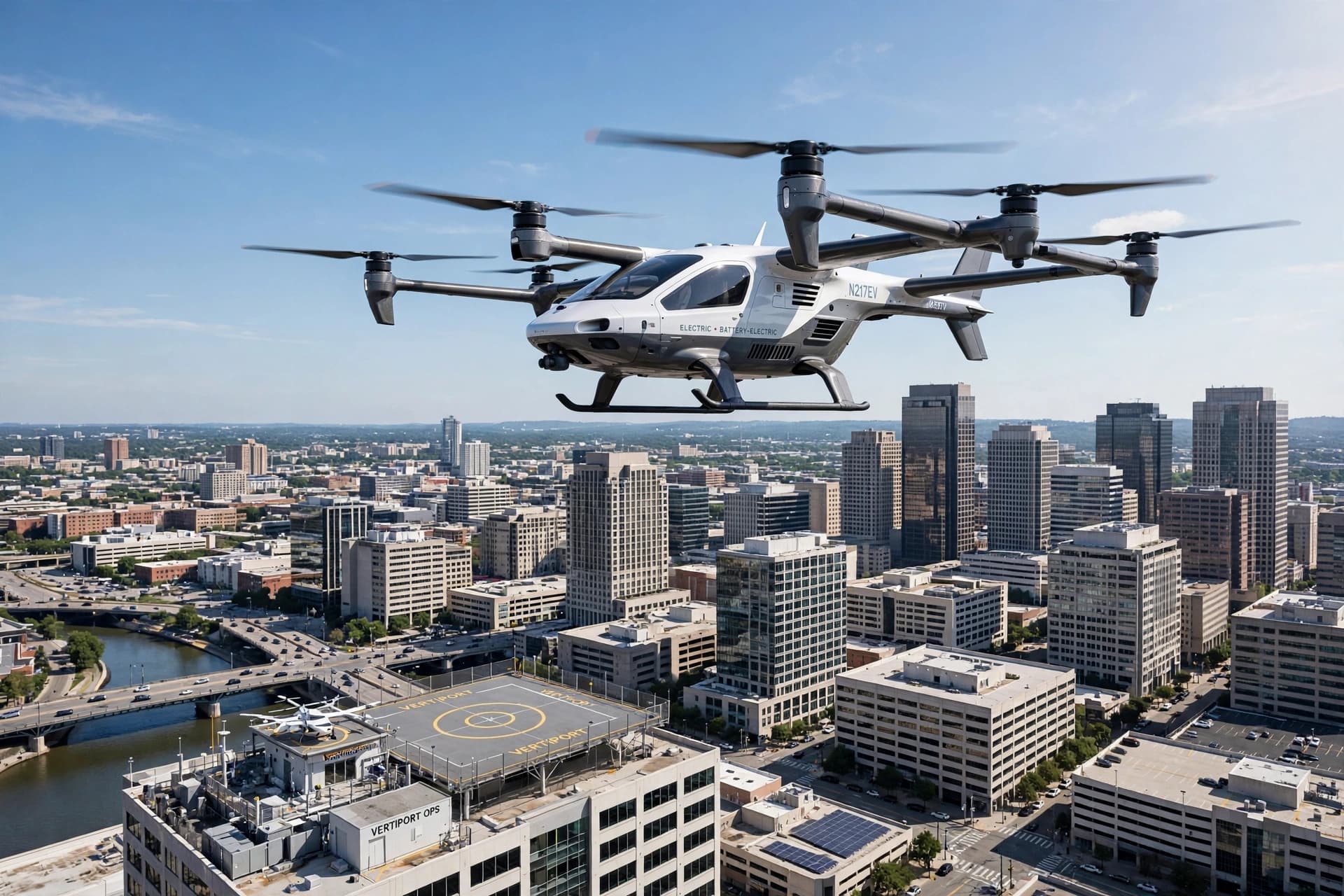
Joby has spent years developing electric vertical takeoff and landing aircraft, commonly known as eVTOLs. The company envisions aircraft capable of carrying passengers without relying on conventional runways, potentially connecting airports and urban areas through short-distance air travel.
The acquisition of Resonant Sciences adds another technological layer. Resonant specializes in advanced sensing and related defense technologies, giving Joby access to capabilities that could complement its work in aviation systems.
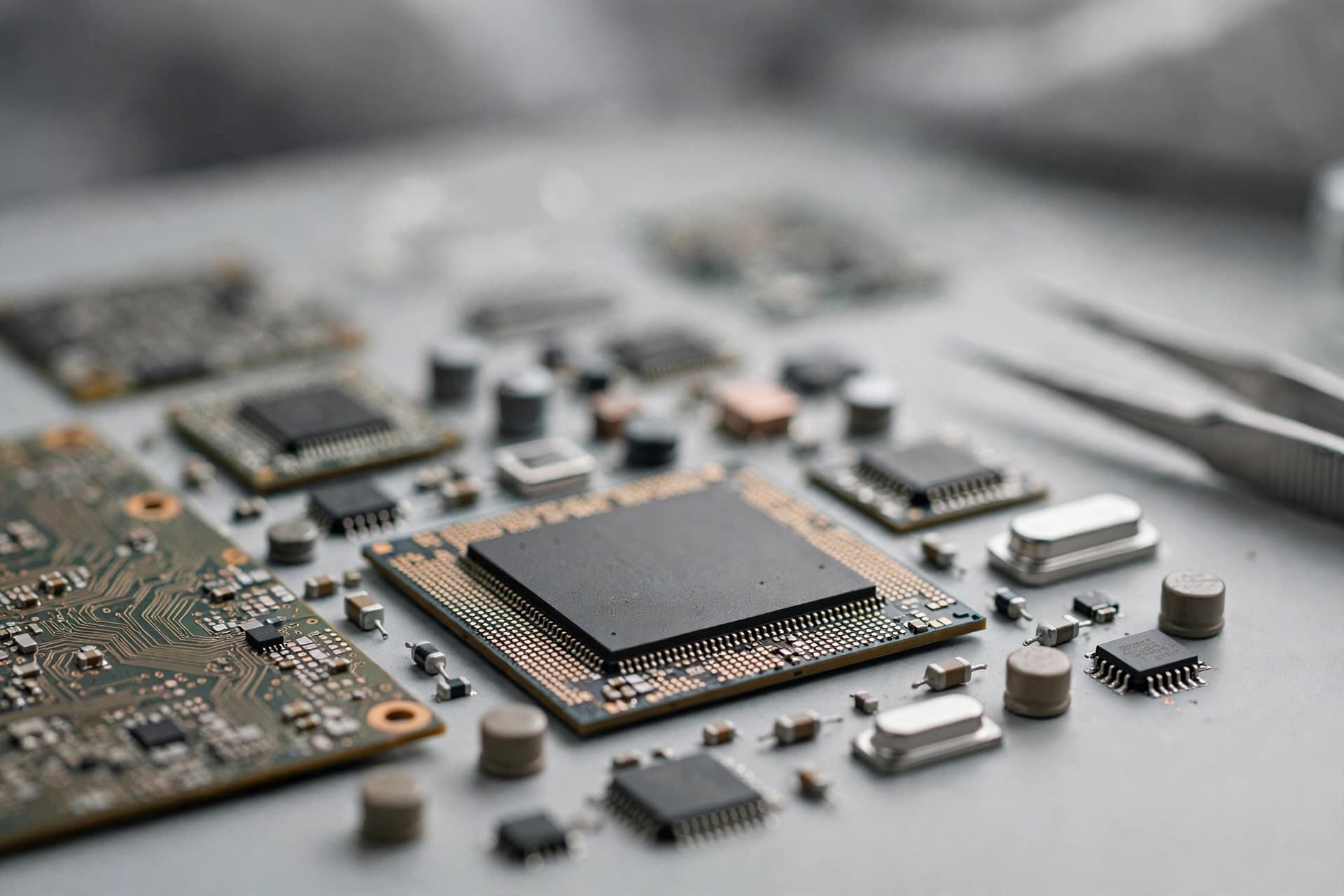
The transaction reflects a wider convergence taking place across aerospace. Technologies originally developed for one purpose can increasingly find applications in another, particularly as aircraft become more dependent on sensors, autonomous systems, communications and sophisticated software.
For Joby, the move also broadens its business profile. The air-taxi market remains an emerging industry requiring regulatory approvals, infrastructure and public acceptance, while defense technology represents another established market with different customers and requirements.
The deal comes as investment continues to flow into advanced aviation. Electric aircraft developers are attempting to transform ideas that once seemed distant into commercially viable transportation systems, while defense companies are increasingly incorporating advanced electronics and autonomous capabilities.
The convergence between civilian aviation and defense technology does not necessarily mean the two markets will become identical. Instead, it demonstrates how engineering capabilities can travel between industries, especially in areas such as sensors, flight systems and autonomous operations.
For passengers, the most visible part of Joby's strategy may eventually be the aircraft itself. But behind any future air-taxi service lies a network of technologies responsible for navigation, communications, safety and flight management.
The acquisition therefore gives Joby another avenue for technological development while it continues pursuing its aviation ambitions. The company has agreed to pay about $500 million for Resonant Sciences, according to Reuters, marking one of its largest strategic expansions beyond its core air-taxi program.
As electric aviation continues to develop, Joby's decision illustrates how the future of transportation may increasingly depend on technologies originating across several industries. The sky above American cities remains largely familiar today, but companies such as Joby are continuing to build the systems that could make it look different tomorrow.
AI Image Disclaimer: The following illustrations were generated with AI and are conceptual representations of advanced aviation technology rather than actual photographs.
Sources: Reuters Joby Aviation Resonant Sciences
Published by Banx Network. This article is part of the Banx decentralized media programme, powered by the BXE token on the XRP Ledger.