In the global energy market, a rising price does not always translate into greater prosperity for the producer. Behind every barrel of crude oil lies a chain of decisions involving production, transportation, currency exchange and taxation. Russia’s energy revenues have illustrated that complicated relationship, with higher oil prices failing to compensate for a series of pressures affecting the country’s production and exports.
Reuters reported on October 5 that Russia’s oil and gas revenues had declined by 17% in 2026, reaching 5.47 trillion roubles, compared with 6.61 trillion roubles during the corresponding period a year earlier. The decline came despite a substantial increase in the price of Russian Urals crude, demonstrating how the value of the commodity alone cannot determine the final financial result.
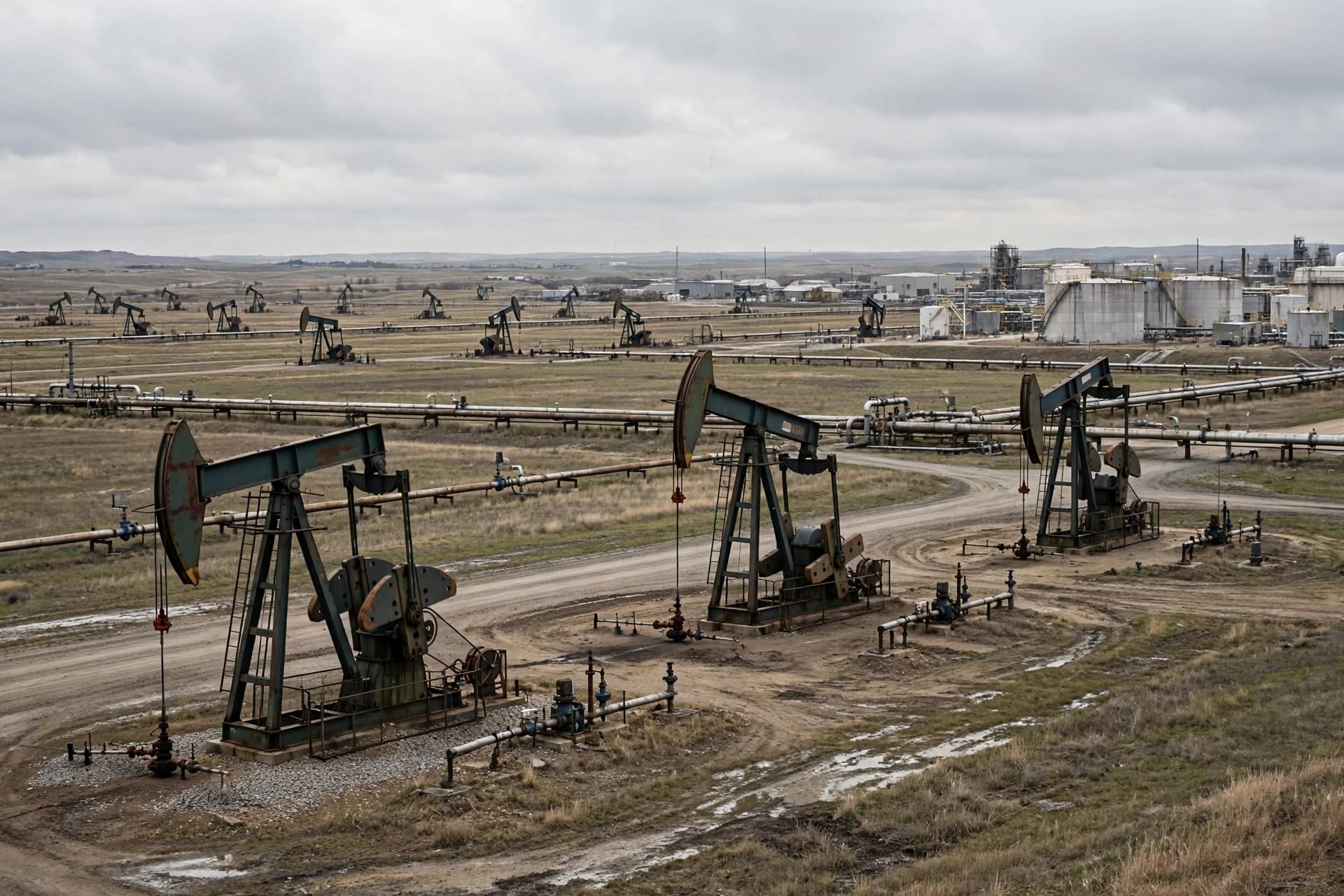
One of the most important factors was lower production. Russian oil output fell to approximately 8.718 million barrels per day in August, down from 9.240 million barrels per day in January, according to the Reuters report. The reduction limited the volume available for sale at a time when higher international prices might otherwise have provided an opportunity to increase revenue.
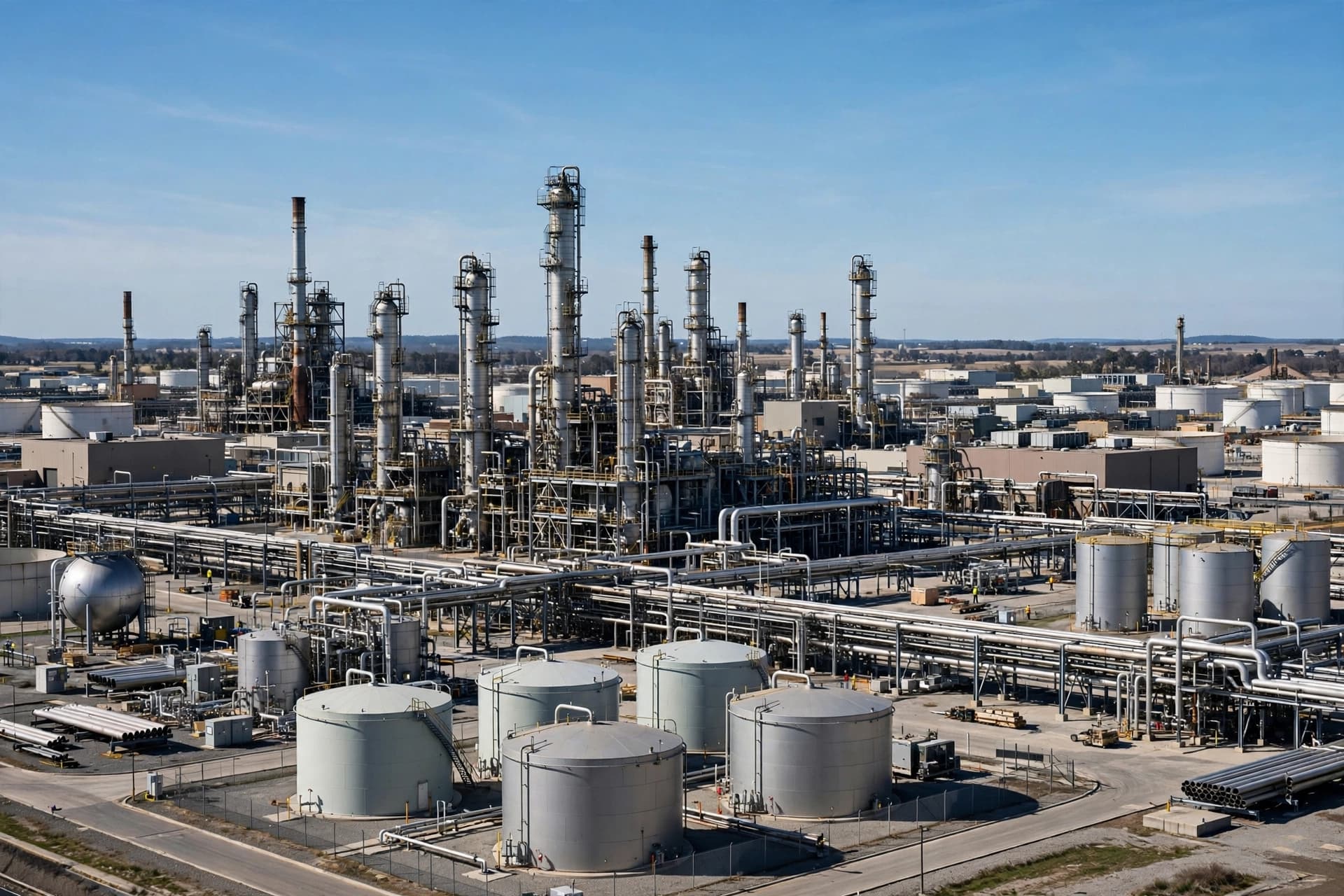
Production challenges were connected in part to damage at refineries following Ukrainian drone attacks. Refinery disruptions can affect more than the supply of finished fuels. They can also complicate the wider movement of crude, influence storage decisions and create uncertainty about how much energy can be processed or exported. When facilities require repairs, the consequences can extend beyond the immediate location.
Export logistics added another layer of difficulty. Reuters reported that loading disruptions at the Black Sea port of Novorossiysk had hindered shipments amid repeated attacks and security concerns. Ports are essential links between production sites and international buyers. Even when oil is available, delays at terminals can interrupt delivery schedules, increase costs and reduce the amount that reaches the market within a given period.
Currency movements also influenced the final figures. The rouble had strengthened by approximately 9% year on year, according to Reuters. Because oil is traded internationally in dollars while many domestic expenses and tax calculations are measured in roubles, exchange-rate changes can affect the local-currency value of export earnings. A stronger currency can reduce the number of roubles generated by a given amount of dollar revenue.
The government’s budget is particularly sensitive to developments in the energy sector. Oil and gas have historically contributed a substantial share of Russian state revenue, supporting public spending and other financial obligations. Reuters reported that energy accounted for around one-fifth of national tax revenues, making changes in production, exports and prices important for the country’s fiscal outlook.
The situation also illustrates why international oil prices can tell only part of the story. A producer’s financial position depends on the quantity it can sell, the price it receives, transportation expenses, exchange rates and the taxes applied to production. If several of these factors move unfavourably at the same time, even a stronger benchmark price may provide less relief than expected.
For global energy markets, changes in Russian production and exports can influence the balance between available supply and demand. Buyers may need to adjust purchasing arrangements, while other producers may respond to changing prices. The scale of the effect depends on the duration of disruptions and the ability of the market to find alternative supplies.
Russia’s falling energy revenue offers a reminder that natural resources do not guarantee stable public finances. Production capacity, reliable transport and currency conditions all shape the value that reaches a national budget. As the energy market continues to shift, the central question is not simply how much a barrel costs, but how much of that value can be produced, delivered and retained.
### SEO Slug
`russia-oil-gas-revenue-decline-production-export-disruptions`
### Hashtags
#RussiaEconomy #OilMarket #EnergyRevenue #CrudeOil #GlobalEnergy #OilProduction #WorldBusiness #BusinessNews
### Image Disclaimer
The illustrations accompanying this article are AI-generated visual representations of energy infrastructure. They do not depict verified photographs of the specific facilities or incidents discussed.
### Sources
\- Reuters
Published by Banx Network. This article is part of the Banx decentralized media programme, powered by the BXE token on the XRP Ledger.