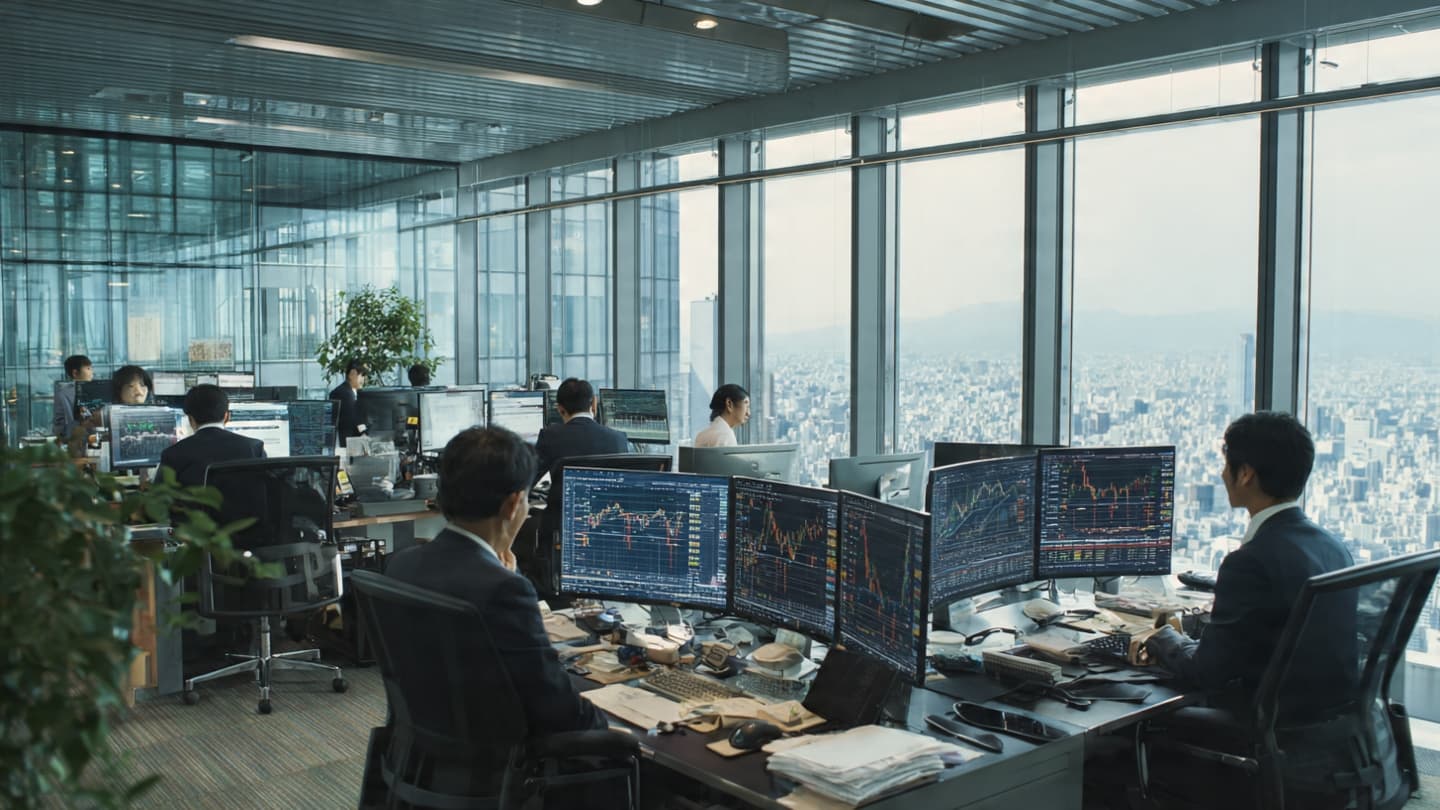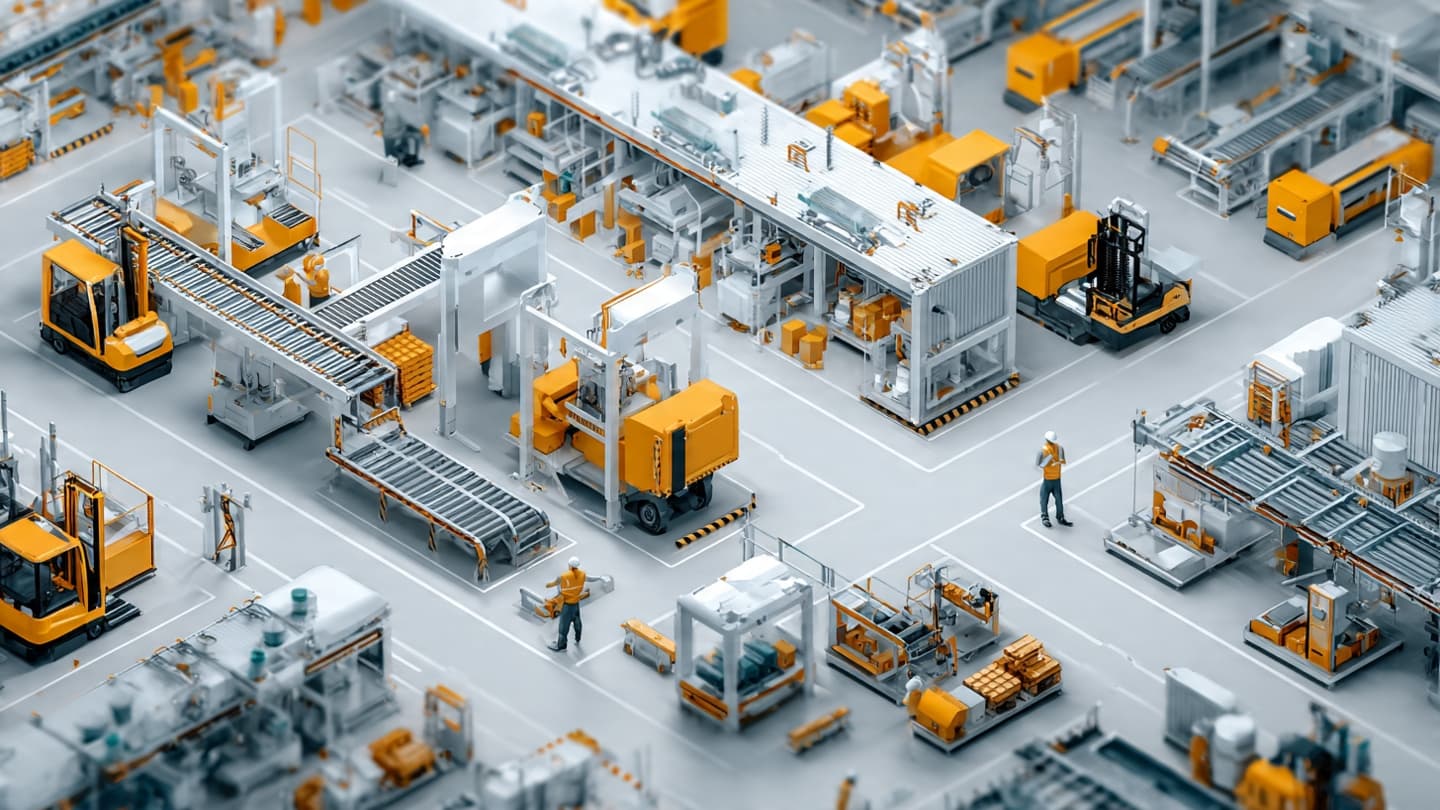
Factory floors tend to reveal economic change through motion rather than headlines. Machines continue their cycles, components move between stations, and finished products leave loading bays. In Japan, that industrial rhythm continued through July, when factory output edged higher despite a complicated global environment.
Japan’s industrial production rose 0.1% in July from the previous month, extending gains for a fourth consecutive month, according to data reported by The Japan Times. The increase followed a much stronger 1.9% rise in June and exceeded economists’ expectations for a decline of 0.7%.
On an annual basis, production increased 4.1% in July, compared with economists’ forecast of 3.3%. The result provided another indication that Japanese manufacturers were maintaining activity despite pressures affecting global supply chains and energy markets.
The resilience is notable because manufacturers have faced a difficult combination of higher operating costs and uncertainty in international markets. Disruptions to supply chains have increased expenses for some companies, while energy markets have remained sensitive to geopolitical developments.
The weak yen has also played a mixed role. For exporters, a weaker currency can make Japanese products more competitive in overseas markets and increase the yen value of foreign revenue. At the same time, it can raise the cost of imported energy, raw materials, and components.
Technology demand has provided another source of support. Japanese manufacturers are connected to global semiconductor and electronics supply chains, and stronger demand related to artificial intelligence has encouraged investment across parts of the technology sector.
Manufacturing activity has remained in expansion territory throughout the year, according to the industry data cited by The Japan Times. That consistency matters because industrial production can be particularly sensitive to changes in overseas demand and supply-chain disruptions.
The modest July increase should nevertheless be read carefully. A 0.1% monthly rise is not a dramatic acceleration, and the global environment remains unpredictable. Energy prices, trade conditions, currency movements, and overseas demand can all influence Japanese factories in the months ahead.
For manufacturers, maintaining production can also require continuous adjustments. Companies may change suppliers, build inventories, improve efficiency, or redirect shipments depending on the conditions they encounter across international markets.
Japan’s industrial sector therefore enters the latter part of the year with a cautious form of momentum. Output has risen for four consecutive months, suggesting that manufacturers have absorbed several external pressures better than expected. Whether that rhythm continues will depend on how global demand and costs evolve, but July offered another small indication that Japan’s factory floor remains active.
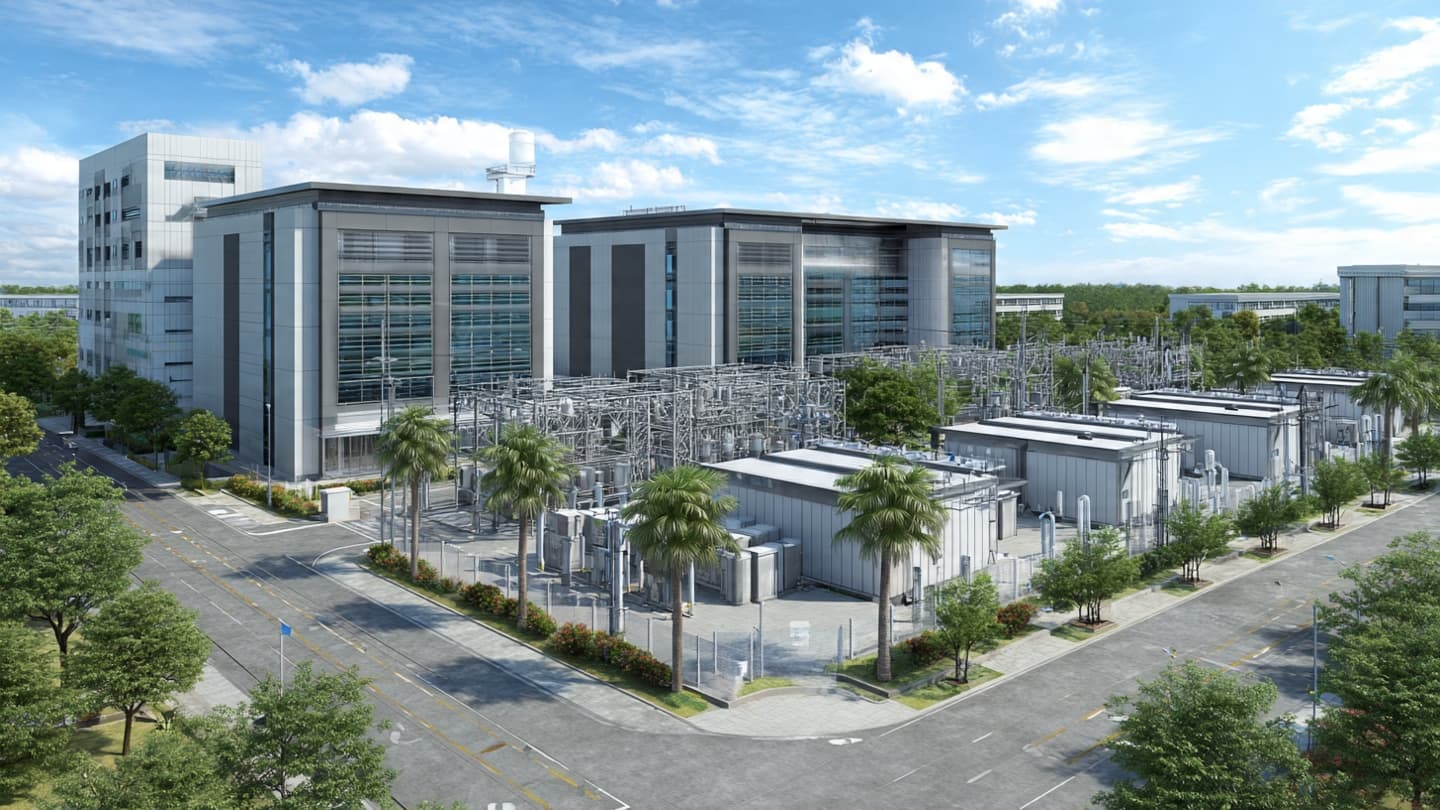
AI Image Disclaimer The visuals were generated with AI and are intended as conceptual representations of Japanese industrial production rather than photographs of actual factories.
Sources The Japan Times Ministry of Economy, Trade and Industry
Published by Banx Network. This article is part of the Banx decentralized media programme, powered by the BXE token on the XRP Ledger.