In an office somewhere in Japan, an employee may already be using artificial intelligence to draft a document or summarize information. The software is present, but it may remain only at the edge of the working day, helping with one task while the rest of the company continues as before.
A Reuters survey conducted with Nikkei Research found that only 16 percent of Japanese companies had deployed AI across their operations as an integral company-wide tool. Another 60 percent were using AI only in certain departments or for limited tasks.
The remaining companies were more hesitant. Eighteen percent had not yet decided whether to introduce AI into their workplaces, while 6 percent said they were not considering adoption. The survey covered 219 responses from 510 companies contacted between July 29 and August 6.
The numbers suggest that Japan's AI story is less about refusal than about distance. Many companies have begun experimenting with the technology, but relatively few have integrated it deeply enough to make it part of the everyday structure of their operations.
That distinction matters. Using AI to write an internal document is very different from redesigning an entire production process around machine learning. The first can happen at an individual's desk. The second may require new systems, new training, new rules for handling data and a different understanding of how employees and software divide their work.
For Japanese companies, the transition also intersects with a broader concern about productivity. The country faces demographic pressures and a shrinking working-age population, creating an economic incentive to make better use of technology. AI is therefore being viewed not only as a new digital tool, but as a possible way to support businesses facing long-term labor constraints.
Investment plans remain measured. Only 4 percent of surveyed companies expected their annual AI budgets to grow by more than 50 percent over the next one to two years. Around a third anticipated more modest increases. The figures suggest that many companies are exploring AI while keeping their spending relatively controlled.
There is also a question of where investment happens. The survey found that 41 percent of companies planned to increase domestic investment through March 2027, while half expected to maintain current investment levels. AI, semiconductors and other advanced technologies are therefore entering a broader discussion about how Japan renews its industrial base.
The hesitation is not necessarily surprising. New technology can be impressive in demonstrations while proving more complicated inside an established organization. Data may be scattered, employees may require training, and companies may need to establish rules about accuracy, confidentiality and responsibility before allowing AI to influence important decisions.
Japan's industrial history has often been shaped by gradual refinement rather than sudden transformation. The current AI transition may follow a similar path. Companies are experimenting, measuring results and deciding where automation genuinely improves work. For now, the Reuters survey suggests that the country is moving into AI, but much of that movement is still taking place one department, one task and one cautious experiment at a time.
SEO-friendly Slug japan-companies-ai-adoption-reuters-survey-2026
Hashtags #Japan #ArtificialIntelligence #AI #Technology #Business #Automation #FutureOfWork
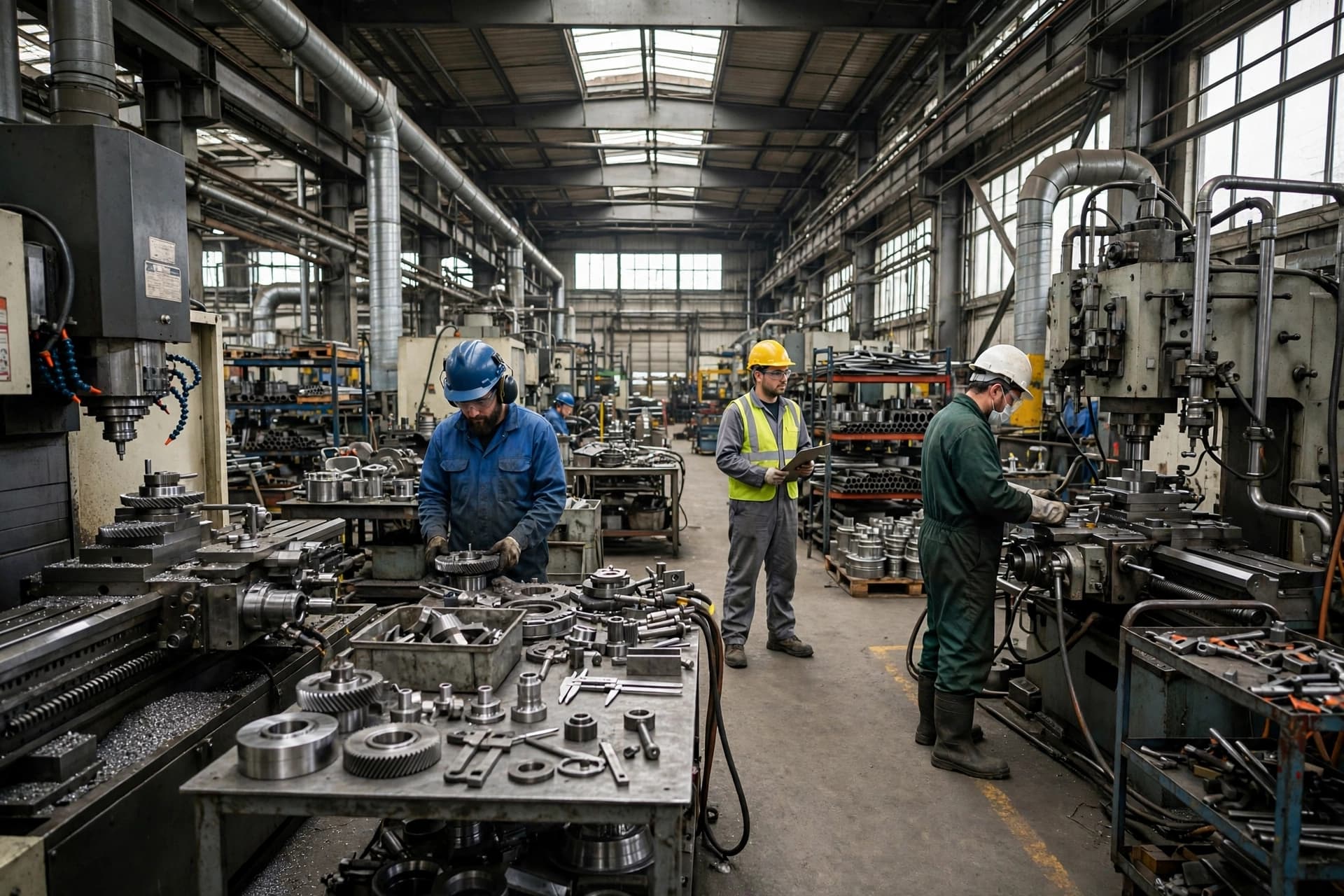
Image Disclaimer AI tools were used to create these conceptual illustrations; they should not be mistaken for photographs of actual Japanese companies.
Sources Reuters Nikkei Research
Published by Banx Network. This article is part of the Banx decentralized media programme, powered by the BXE token on the XRP Ledger.