Economic strength once spoke for itself. Markets expanded, supply chains stretched across continents, and growth followed efficiency. Today, that confidence is tempered by uncertainty. In this environment, Japan is moving carefully, choosing coordination over isolation as it prepares to form a new public-private council focused on economic security.
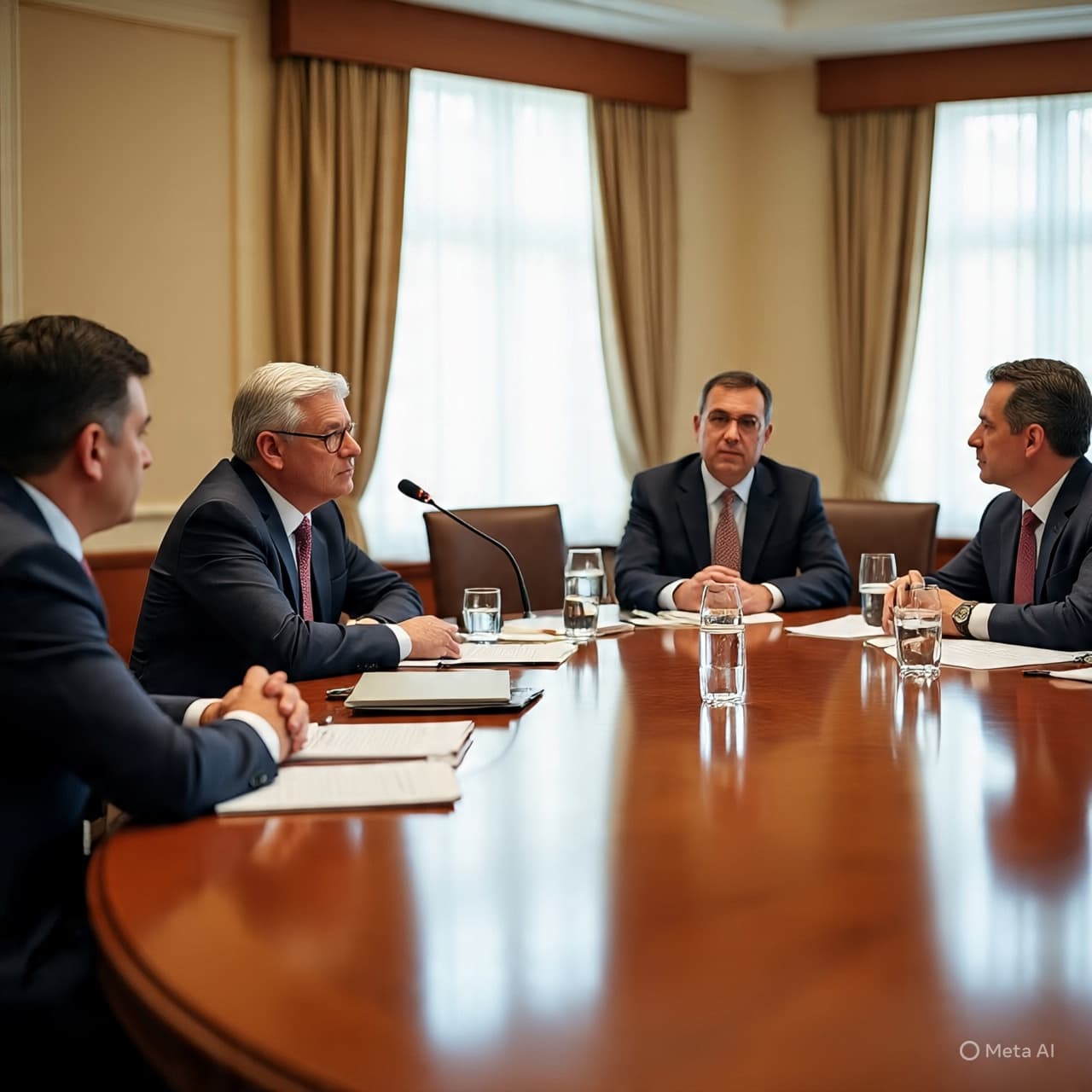
The planned body is intended to bring government officials and corporate leaders into closer alignment on issues that now sit at the intersection of commerce and national interest. Supply chain resilience, protection of sensitive technologies, and exposure to geopolitical shocks have all moved from technical concerns to strategic priorities.
Japan’s economy is deeply integrated with global trade, a strength that has also become a vulnerability. Disruptions in semiconductors, rare materials, and energy supplies in recent years have highlighted how quickly external shocks can ripple through domestic industries. The new council reflects an effort to anticipate those risks rather than react to them.
Officials have framed the initiative as a forum rather than a command structure. The emphasis is on information sharing, early warning, and joint planning. By including the private sector, the government acknowledges a basic reality: much of what now defines economic security sits outside direct state control.
For companies, participation offers both reassurance and responsibility. Greater visibility into government thinking can help firms plan investments and manage risk. At the same time, closer ties raise questions about compliance, disclosure, and the balance between commercial freedom and national priorities.
Japan is not alone in this shift. Around the world, governments are reassessing the boundaries between economics and security, particularly in areas such as advanced manufacturing, data, and infrastructure. What distinguishes Japan’s approach is its preference for consensus-building, rooted in long-standing cooperation between ministries and industry groups.
The council also signals a broader philosophical change. Economic policy is no longer only about competitiveness and growth. It is about continuity, trust, and resilience under pressure. In that sense, security is becoming a feature of economic planning rather than a separate domain.
Details of the council’s structure and authority are still emerging. Its effectiveness will depend on whether dialogue leads to action, and whether competing interests can be aligned without stifling innovation.
As global trade becomes more fragmented, Japan appears to be preparing for a future where economic strength must be defended as carefully as it is developed. The creation of this council suggests a belief that cooperation, not isolation, offers the most stable path forward.
Published by Banx Network. This article is part of the Banx decentralized media programme, powered by the BXE token on the XRP Ledger.