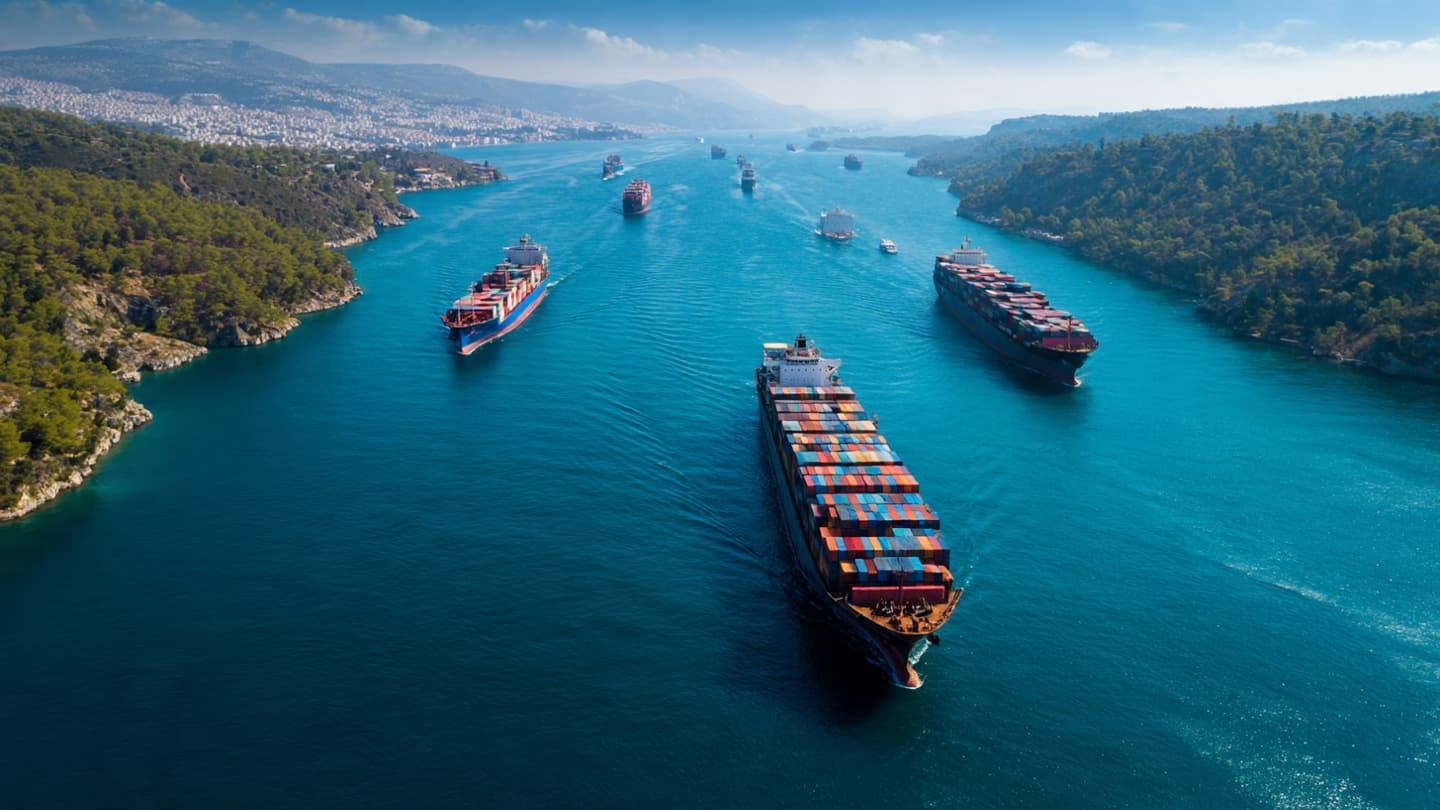
The world’s oceans have always been pathways of connection. Every vessel crossing international waters represents a link between economies, industries, and communities separated by distance.
Maritime security has become increasingly important as global trade depends heavily on reliable shipping routes. Ports, waterways, and sea corridors form essential parts of the international economic system.
Strategic maritime areas in the Gulf region hold significance because they connect major energy producers with global markets. Their stability influences shipping operations and business planning.
For shipping companies, security considerations are part of daily decision-making. Route planning, risk assessment, and operational strategies all depend on understanding conditions at sea.
The importance of maritime stability extends beyond shipping companies. Manufacturers, retailers, and consumers can all experience the effects of changes in transportation networks.
International cooperation plays an important role in maintaining secure maritime environments. Governments and organizations often work together to support safe navigation and protect trade connections.
Technology has also improved maritime monitoring. Satellite systems, digital tracking, and communication networks help companies better understand movement across oceans.
The future of global trade will remain closely connected to maritime security. As economies continue expanding, the need for reliable transportation routes will continue growing.
The story of maritime security is ultimately a story of connection. The oceans may separate countries geographically, but they also bring economies together.
As global commerce evolves, protecting important maritime pathways remains a central part of maintaining international trade stability.
Published by Banx Network. This article is part of the Banx decentralized media programme, powered by the BXE token on the XRP Ledger.