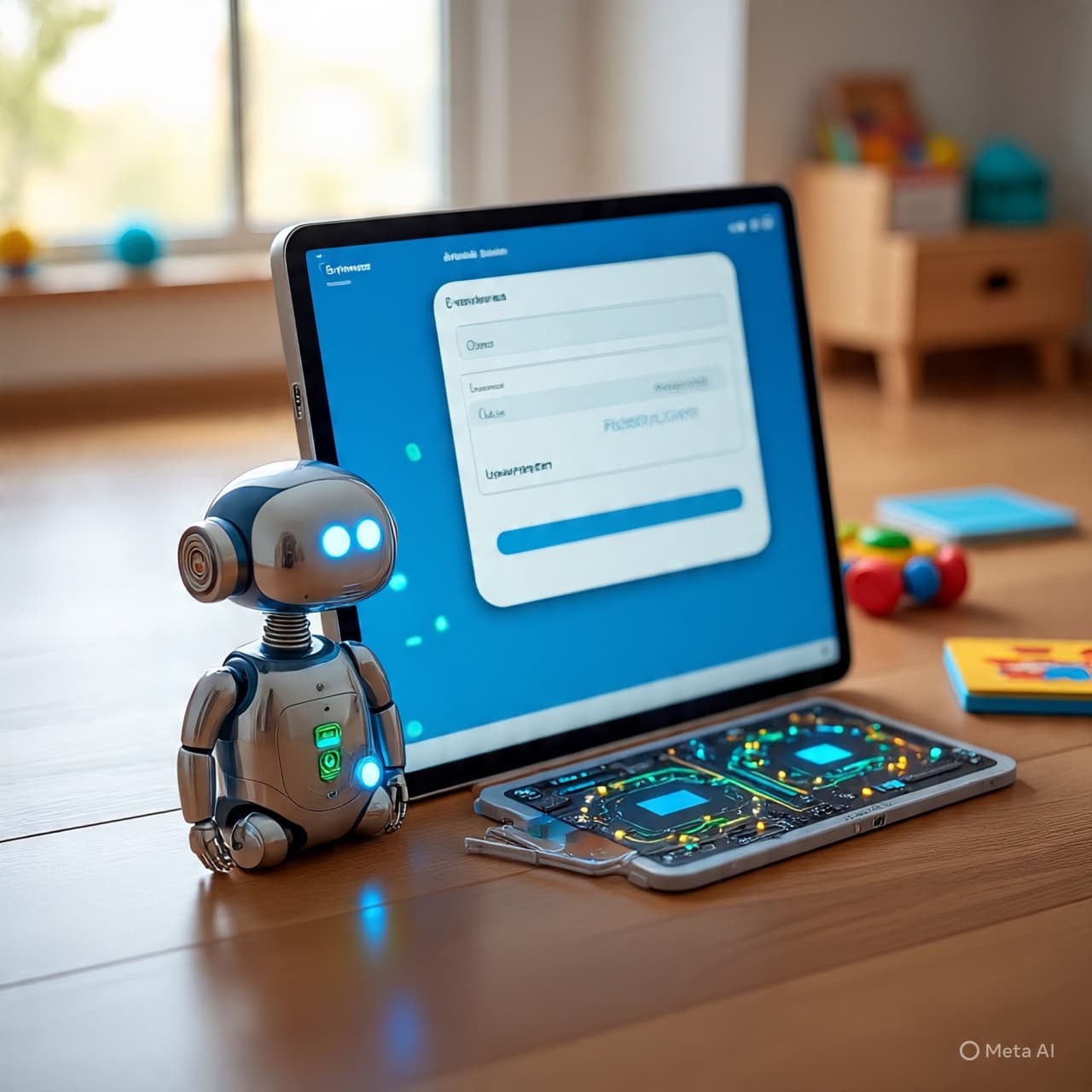
In the quiet corners of a child’s bedroom, there’s a kind of magic — a world where stuffed animals keep secrets, laughter fills the air, and small voices practice big ideas. Yet sometimes, that world — soft, imaginative, and private — brushes against the hard edges of technology. This week’s story of an AI-enabled toy that accidentally laid bare tens of thousands of children’s conversations invites a thoughtful moment of reflection: about privacy, trust, and the unseen paths our digital companions travel.
For many families, toys that talk back seemed like a gentle marvel — a friend who listens, asks questions, and steers curiosity toward discovery. Bondu, a manufacturer of such AI toys, had created products that used artificial intelligence to interact with young users, offering playful chat and companionship. But security researchers Joseph Thacker and Joel Margolis stumbled on something unsettling: a portion of the toy’s web portal — meant for parents and company personnel — was configured so loosely that anyone with a Gmail account could log in and see chat transcripts and personal data tied to children’s interactions with these toys.
This was not a dramatic intrusion involving hacking tools or nefarious code. Instead, with a simple login, researchers found themselves looking at more than 50,000 private chat logs, revealing not only what was said in playful exchanges but also names, birthdates, family details, and even preferences and routines shared by child users. Moments that once resided in the safe spaces of imagination and conversation were laid bare on a screen, accessible without traditional authentication.
The researchers immediately alerted the company, and the vulnerable console was taken offline within minutes. Bondu reconfigured the portal with proper password protection and authentication, and its leadership said it found no evidence that anyone beyond the researchers had accessed the data. The company also said it implemented additional security measures and enlisted external experts to review its systems. Nevertheless, this incident highlights a broader question about the unseen contours of technology in children’s lives.
There’s something quietly unsettling about reading a child’s conversation — even in a research context — because it brings into focus the very real boundary between fun and privacy. AI toys are designed to feel personal. They aim to remember preferences so that future interactions feel natural and engaging. Yet, as this case shows, the infrastructure that supports such capabilities can also become a window into moments that — by any measure of tenderness or propriety — were meant to remain private.
Privacy advocates have long warned that children’s data, once collected, should be shielded with the highest standards of security precisely because it reflects lives in formation, not just usage metrics. This episode underscores that even well-intentioned features — meant to enrich play — can carry unseen risks if engineering safeguards don’t keep pace with design ambitions.
In gentler straight news terms: the AI toy company Bondu confirmed that a misconfigured web portal exposed more than 50,000 chat transcripts and personal data associated with child users to anyone who logged in with a Gmail account. Security researchers responsibly disclosed the issue, and the company quickly secured access, implemented stronger authentication measures, and stated there was no indication of malicious exploitation. The event has sparked broader discussion about data privacy and the need for robust protections in AI products aimed at children.
AI Image Disclaimer Graphics are AI-generated and intended for representation, not reality.
Sources Major reporting used: WIRED, TechBuzz, WebProNews, NewsBytes, SOC Defenders for this story.
Published by Banx Network. This article is part of the Banx decentralized media programme, powered by the BXE token on the XRP Ledger.