In the early hours before markets stir, there is a quiet choreography to the global economy. Tankers move steadily through narrow straits. Screens in trading rooms glow with pale anticipation. Gas stations sit under fluorescent light, their prices unchanged—for now. The world’s commerce depends on these unseen rhythms, as constant as the tide.
When President Donald Trump authorized strikes on Iranian targets, the immediate images were military: aircraft cutting through night skies, precision munitions finding coordinates, officials stepping to podiums beneath bright seals. Yet beyond the theater of defense and retaliation, another landscape began to shift more subtly—the one measured in barrels, interest rates, shipping lanes, and household budgets.
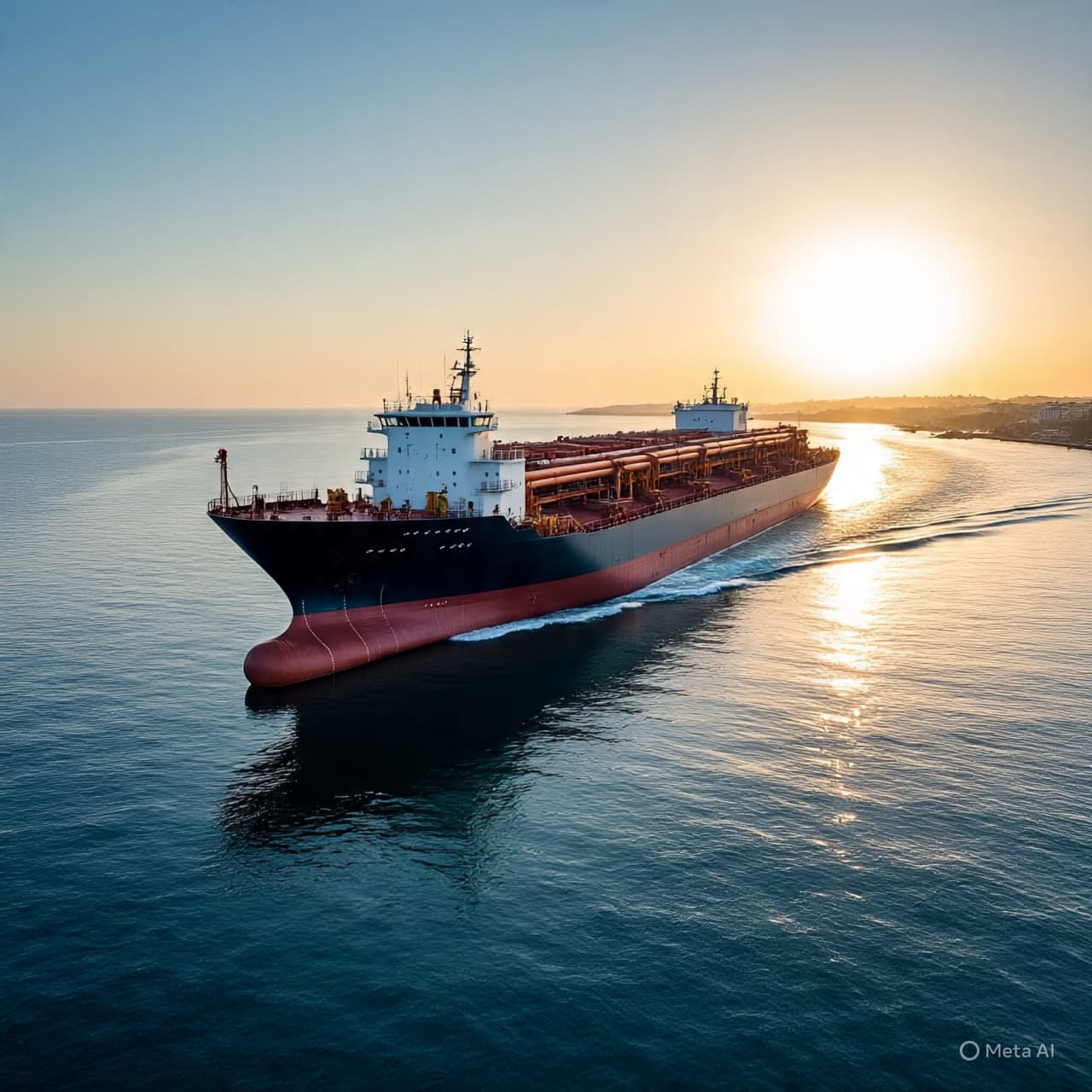
Iran sits near the mouth of the Strait of Hormuz, a narrow passage through which a significant share of the world’s oil supply travels each day. Any prolonged confrontation in or around that corridor tends to ripple outward. In the hours following the strikes, oil futures climbed on concerns that escalation could disrupt shipments or prompt retaliatory moves affecting regional infrastructure. Traders, attuned to both risk and rumor, adjusted quickly.
For American families, such movements can feel distant at first. A few cents added at the pump may go unnoticed on a single visit. But sustained increases in crude prices often filter into transportation costs, airline tickets, food distribution, and heating bills. The path from a missile launch to a grocery receipt is indirect, yet historically, it has proven real.
Financial markets have also shown signs of caution. Investors often move toward safer assets during geopolitical uncertainty, nudging bond yields and currency valuations in ways that can influence borrowing costs. If tensions persist, analysts suggest the Federal Reserve’s calculus on inflation and interest rates could grow more complicated, especially if higher energy prices begin to seep into broader consumer costs.
Administration officials have described the strikes as targeted and limited, emphasizing deterrence rather than open-ended war. They argue that demonstrating resolve may ultimately stabilize the region and, by extension, markets. Critics, meanwhile, warn that miscalculation in a volatile environment could extend the conflict’s duration, increasing the likelihood of economic side effects at home.
History offers quiet precedents. Past confrontations in the Persian Gulf have sent oil prices surging, sometimes briefly, sometimes for longer stretches depending on the scope of disruption. Energy analysts note that global supply is more diversified today than in decades past, with American production playing a larger role. Strategic reserves exist as buffers. Yet markets remain sensitive to uncertainty, and perception can move prices as powerfully as physical shortages.
The broader Middle East is a web of alliances and rivalries, and commercial shipping routes thread through its waters like arteries. Insurance premiums for vessels can rise when threats increase. Airlines may reroute flights to avoid contested airspace, adding fuel and time. Each adjustment is small on its own, but together they form a quiet ledger of consequence.
Back home, the political dimension intertwines with the economic one. As the strikes unfold, lawmakers weigh national security arguments alongside concerns from constituents about rising living costs. In election seasons past, energy prices have carried symbolic weight, standing in for broader anxieties about stability and control.
For now, the question rests less on the first strike than on what follows. If the confrontation remains contained, markets may settle as quickly as they stirred. If it widens—if tankers pause, if infrastructure is damaged, if reprisals continue—the effects could linger in subtler but tangible ways.
By late afternoon, commuters will glance at station signs without necessarily knowing the currents beneath those numbers. Somewhere far from suburban roads, tankers will still navigate narrow waters, guided by radar and routine. Between those distant seas and American driveways lies a fragile chain of cause and effect, one that binds geopolitics to pocketbooks with threads both invisible and enduring.
AI Image Disclaimer Visuals are AI-generated and serve as conceptual representations.
Sources U.S. Department of Defense Reuters The Wall Street Journal Bloomberg International Energy Agency
Published by Banx Network. This article is part of the Banx decentralized media programme, powered by the BXE token on the XRP Ledger.