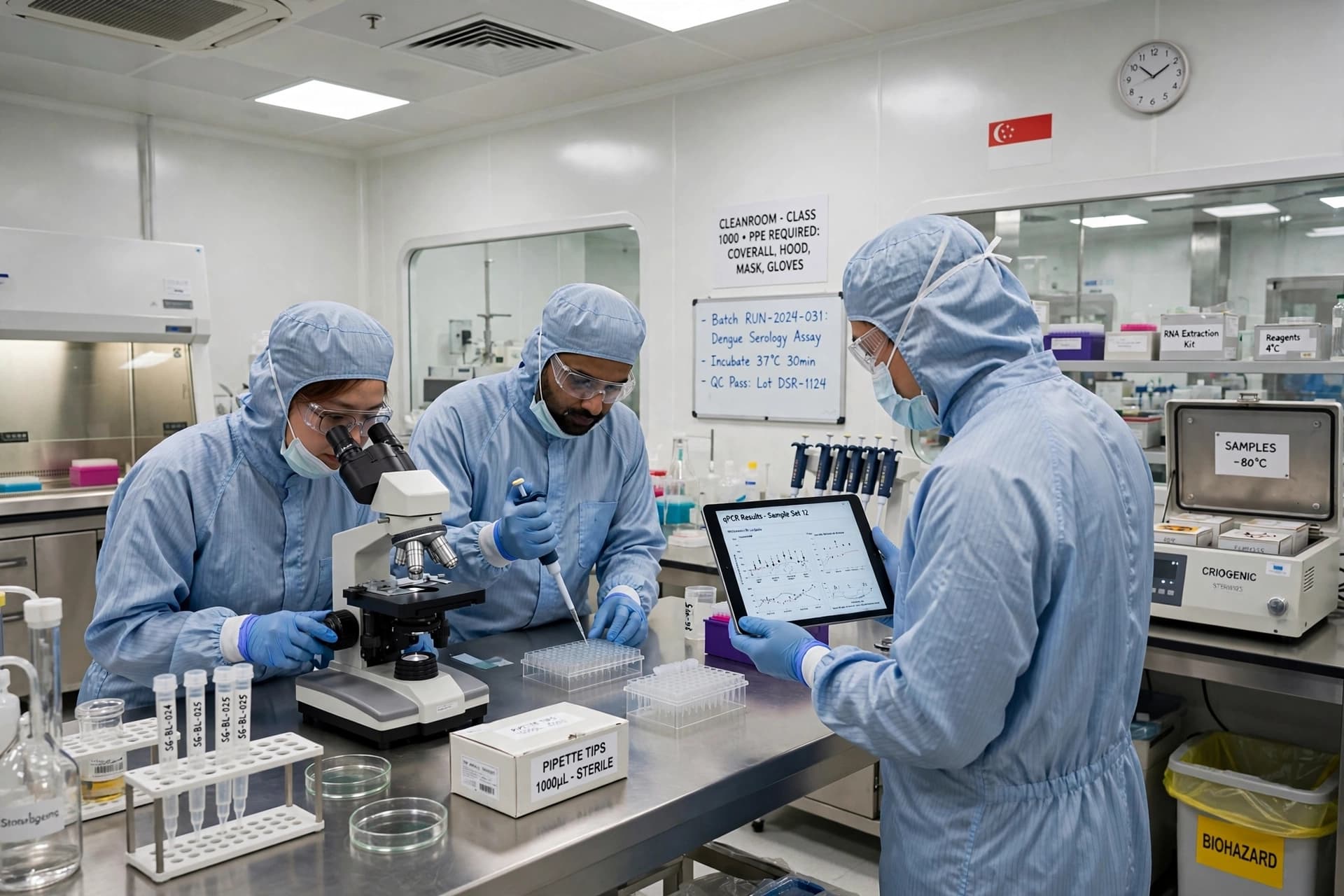
There are questions that linger at the edge of science, not because they are simple, but because they touch something deeply human. Autism is one of those subjects — woven into families, classrooms, research labs, and public conversation. For decades, scientists have tried to understand not only how autism develops, but whether anything about its course can be predicted, influenced, or even prevented. The answers have rarely arrived in bold declarations. Instead, they emerge in careful phrases, measured studies, and incremental insight.
Recent reporting from Reuters, CNN, The New York Times, The Washington Post, and NBC News highlights a nuanced shift in how some researchers frame the question. Autism spectrum disorder is widely understood to have strong genetic components, shaped by complex interactions between inherited traits and environmental factors. It is not considered a disease to be “cured” in the traditional sense, and many advocates emphasize neurodiversity — the understanding that neurological differences are part of natural human variation.
Yet within that framework, some scientists are studying whether certain risk factors associated with more severe developmental challenges might be mitigated in specific cases. Research has explored areas such as advanced parental age, maternal health conditions during pregnancy, extreme prematurity, exposure to certain environmental toxins, and complications affecting early brain development. Experts caution that these factors do not “cause” autism in isolation, but they may influence risk in combination with genetic predisposition.
One area of growing interest involves early intervention rather than prevention in the strict sense. Studies suggest that intensive behavioral and developmental therapies introduced during infancy or toddlerhood — sometimes even before a formal diagnosis — can significantly improve communication skills and adaptive functioning. In that light, some researchers use the word “preventable” carefully, often referring to preventing the progression of certain disabling features rather than preventing autism itself.
For example, screening high-risk infants, such as siblings of children diagnosed with autism, allows clinicians to begin supportive therapies earlier. The goal is not to erase identity, experts say, but to strengthen language, social engagement, and independence during critical windows of brain development. Neuroscientists describe the early years as a period of heightened plasticity, when targeted support can reshape developmental trajectories.
Public health researchers also point to broader preventive health measures that may reduce certain risks overall: ensuring adequate prenatal care, managing maternal diabetes or hypertension, avoiding harmful substance exposures, and maintaining recommended vaccinations to prevent infections known to affect fetal development. These steps are not guarantees, but they represent modifiable factors within a much larger and more complex picture.
At the same time, leading medical organizations consistently state that there is no established method to fully prevent autism. The condition arises from multifaceted biological pathways that science is still mapping. Simplified claims of prevention often overlook this complexity and risk misunderstanding both the research and the lived experiences of autistic individuals.
The conversation continues in laboratories and clinics, guided by evolving data. Researchers emphasize precision in language: reducing risk in specific contexts is not the same as broadly preventing autism. For now, health authorities maintain that early identification, supportive intervention, and comprehensive prenatal care remain the most evidence-based approaches available.
AI Image Disclaimer: Graphics are AI-generated and intended for representation, not reality.
Source Check: Reuters The New York Times The Washington Post CNN NBC News
Published by Banx Network. This article is part of the Banx decentralized media programme, powered by the BXE token on the XRP Ledger.