The night sky has long been a canvas of possibility, with the pale light of the Moon inspiring wonder, curiosity, and countless aspirations. This year, that distant silver globe is set to receive visitors once more. NASA has announced that astronauts will embark on a mission to the Moon, marking a continuation of human exploration decades after the first lunar footsteps left their imprint.
The mission is part of NASA’s Artemis program, a carefully planned initiative aiming not only to revisit the lunar surface but to establish sustainable operations that could serve as a stepping stone for future journeys beyond. The astronauts will travel aboard a state-of-the-art spacecraft designed for both safety and scientific capacity, carrying instruments to study lunar geology, environmental conditions, and potential resources.
Preparations for the mission have been meticulous. Training has encompassed both simulated lunar landscapes and zero-gravity exercises, while engineering teams have tested every system repeatedly to anticipate the challenges of space travel. The crew will operate with precision, balancing the urgency of exploration with the patience required by the fragile and unforgiving environment of the Moon.
This return is as much symbolic as it is practical. It represents decades of technological advancement, international collaboration, and the enduring curiosity that drives humanity to leave familiar terrain for the unknown. The Moon, long observed from afar, will once again be a place where human hands shape the understanding of worlds beyond Earth.
While the astronauts’ steps are planned with exacting care, the mission also carries broader implications for science, education, and industry. Instruments placed on the lunar surface may reveal insights into planetary formation, solar phenomena, and potential resources for future exploration. Educational initiatives connected to the mission aim to inspire a new generation of engineers, scientists, and dreamers.
In straightforward terms, NASA plans to send astronauts to the Moon this year under the Artemis program. The mission will include both scientific study and demonstration of sustainable lunar operations, continuing the legacy of human space exploration.
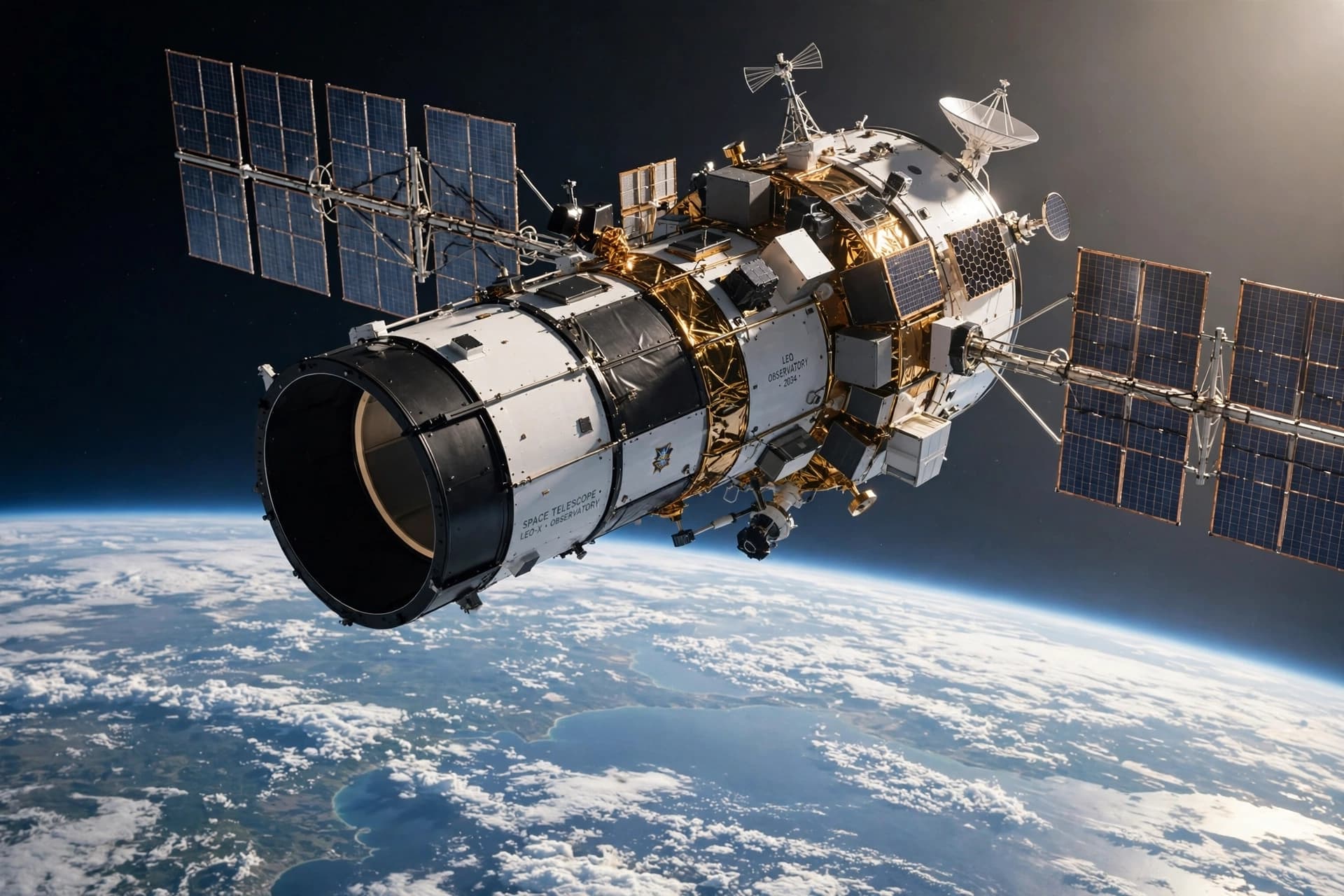
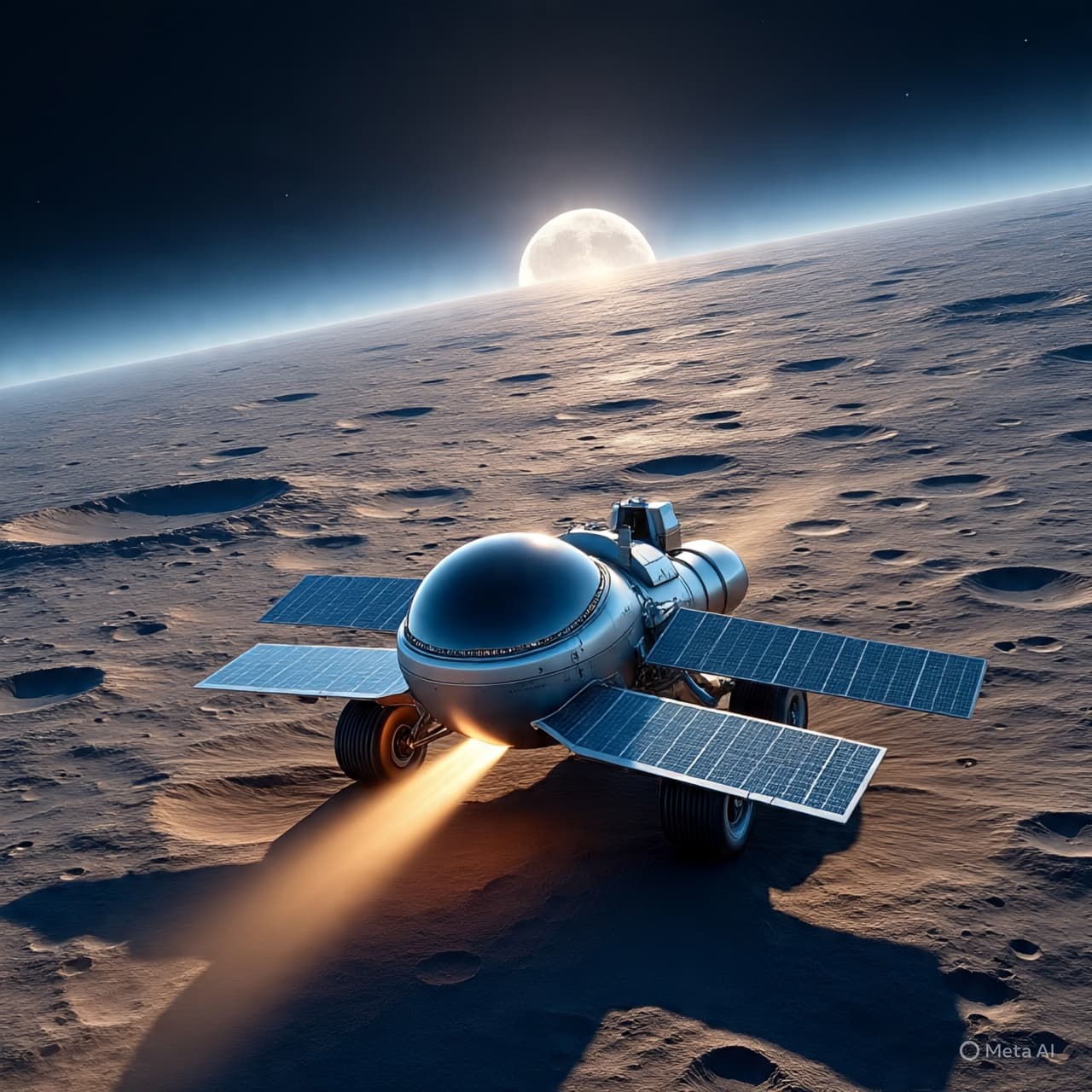
AI Image Disclaimer Visuals are AI-generated and serve as conceptual representations.
Sources (names only) NASA Reuters The Verge Space.com BBC News
Published by Banx Network. This article is part of the Banx decentralized media programme, powered by the BXE token on the XRP Ledger.