Mars has long occupied a special place in humanity's imagination. Across generations, the red planet has appeared in stories, scientific dreams, and visions of distant futures. Today, researchers continue to examine a question that sits at the intersection of science and aspiration: could Mars one day be transformed into a more habitable world?
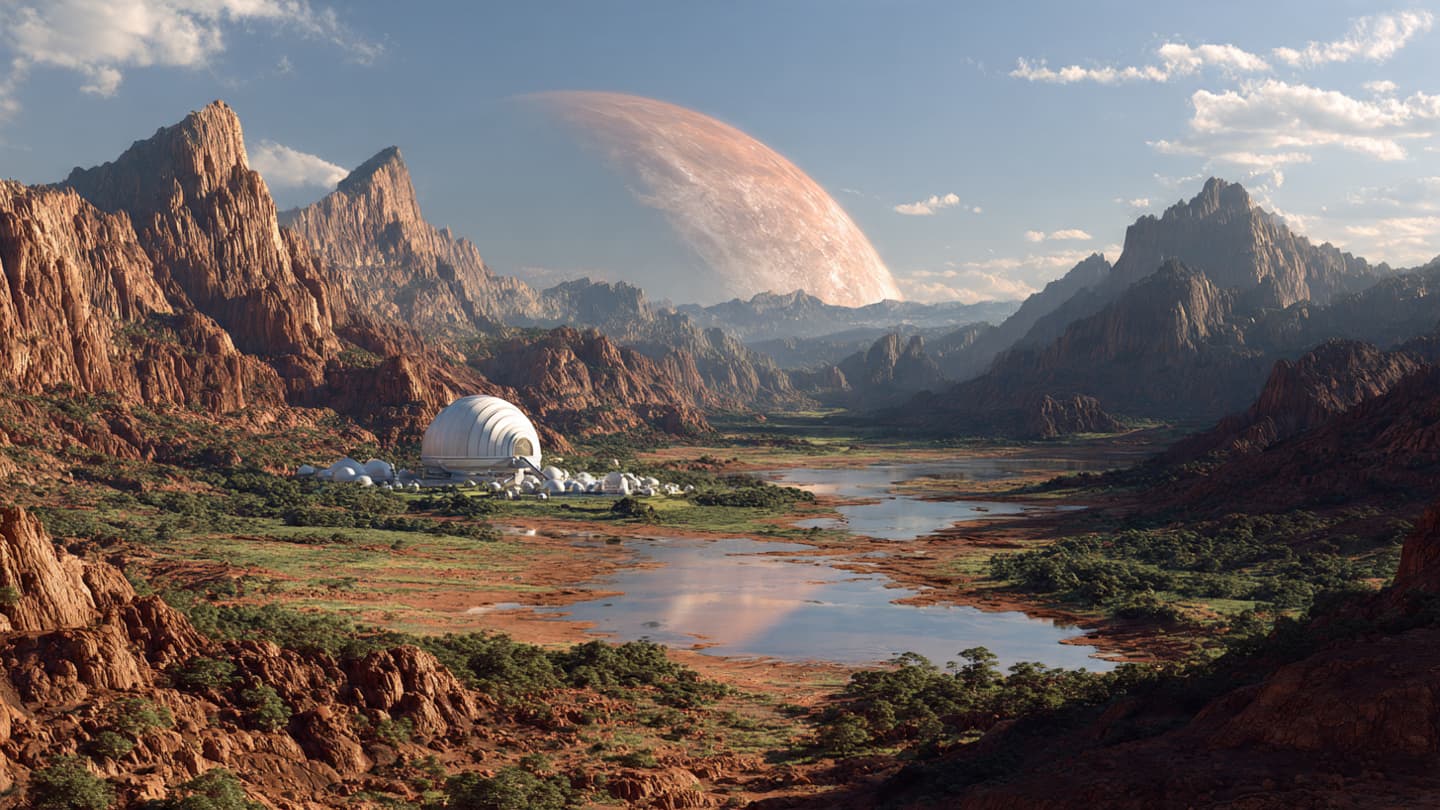
Terraforming refers to the hypothetical process of altering a planet's environment to resemble conditions suitable for human life. For Mars, this could involve raising surface temperatures, thickening the atmosphere, and introducing stable sources of liquid water.
Scientists emphasize that, at present, Mars remains an extremely hostile environment. Its atmosphere is thin, surface temperatures are low, and it lacks a global magnetic field capable of protecting against harmful radiation.
Recent studies have attempted to evaluate whether available Martian resources could support large-scale climate modification. Some research suggests that known carbon dioxide reserves on Mars may be insufficient to create a significantly denser atmosphere using current technology.
Other scientists are exploring alternative concepts, including orbital mirrors, engineered microbes, synthetic greenhouse gases, and localized habitat systems. Most of these proposals remain theoretical and would require technological advances far beyond present capabilities.
Researchers note that understanding Mars itself remains a prerequisite for any future terraforming discussion. Robotic missions operated by NASA and other space agencies continue studying Martian geology, climate history, and the possibility of ancient microbial life.
Ethical questions also accompany scientific considerations. Some experts argue that humanity should carefully assess the environmental consequences of altering another world, particularly if evidence of past or present life is discovered.
For now, terraforming Mars remains a subject of scientific inquiry rather than practical engineering. Yet ongoing research continues to expand understanding of planetary environments and humanity's potential future beyond Earth.
AI Image Disclaimer: The visual materials used alongside this article are AI-generated interpretations intended for illustrative use only.
Sources Verification Check: NASA Nature Astronomy Scientific American Space.com New Scientist
Published by Banx Network. This article is part of the Banx decentralized media programme, powered by the BXE token on the XRP Ledger.