The Strait of Hormuz sits between two very different worlds. On one side are diplomatic rooms where proposals, conditions and messages move quietly between intermediaries. On the other are tankers waiting for clearer routes, energy traders watching prices and businesses calculating what another day of uncertainty might mean. As mediation efforts continue between the United States and Iran, that narrow waterway remains closely tied to a much wider economic story.
According to reporting by The Associated Press, regional and U.S. officials said indirect negotiations were continuing despite significant differences between the two sides. Qatar has been involved in mediation, while other regional actors have also been part of efforts to keep communication open. The discussions have included the possibility of reopening the Strait of Hormuz and arrangements connected with the wider conflict.
The difficulty lies partly in the sequence of commitments. Iran has sought changes involving the blockade, sanctions and access to frozen funds, while Washington has emphasized progress on nuclear issues as part of any broader agreement. These differences mean that reopening the waterway cannot be treated as an isolated shipping decision. It is connected to a much larger set of unresolved questions.
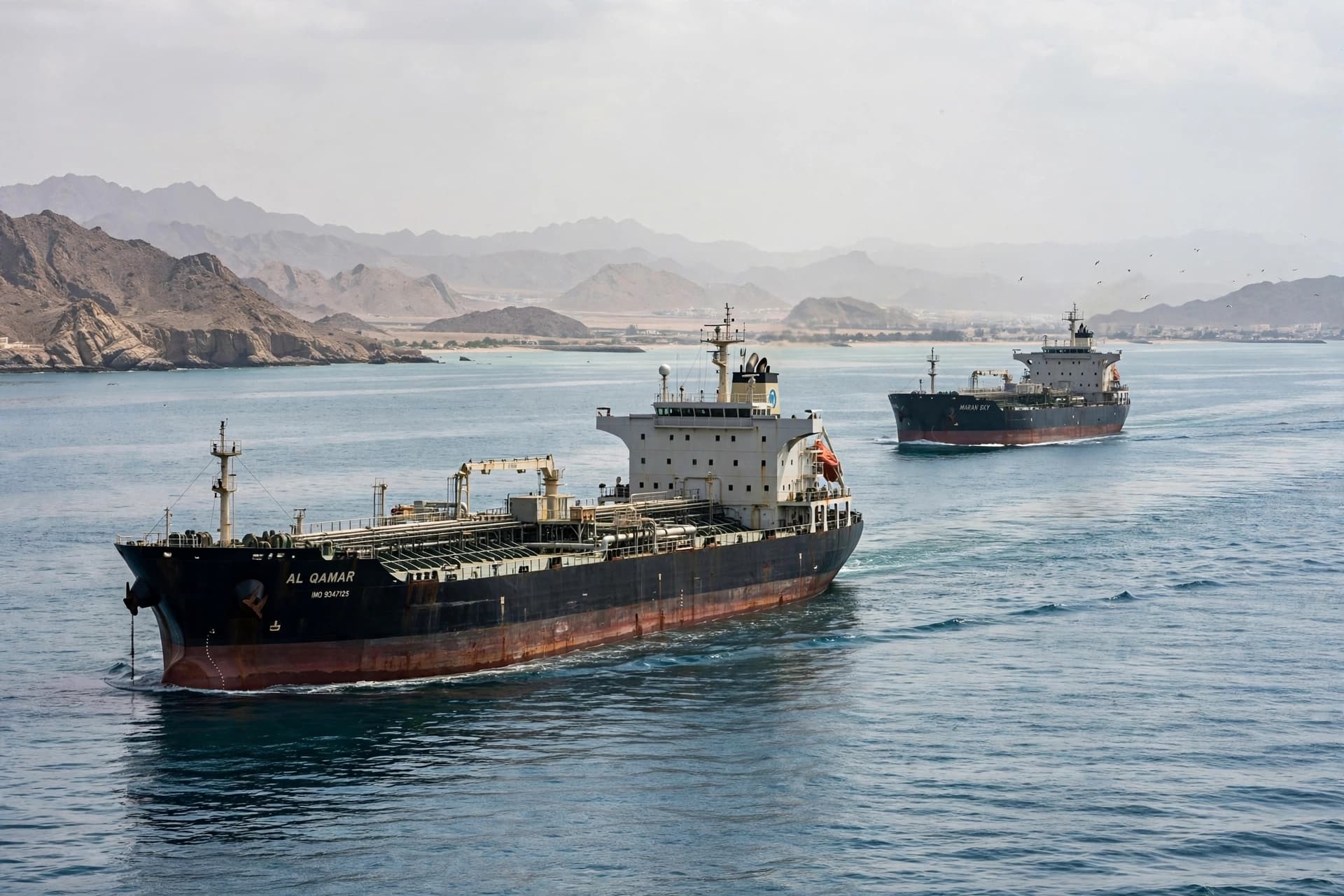
For the shipping industry, however, the distinction between diplomatic language and physical movement is immediate. A tanker cannot wait indefinitely for negotiations to settle. Routes, insurance costs, vessel availability and loading schedules all respond to the conditions at sea, sometimes faster than political discussions can produce an agreement.
Oil markets have reflected that uncertainty. Reuters reported on September 29 that oil prices rose for a second consecutive session as concerns about Middle Eastern supply disruption outweighed signs that some regional exports were recovering. Brent crude and U.S. West Texas Intermediate both moved higher during early trading.
At the same time, the underlying picture is more complicated than a simple story of falling exports. Kpler data cited by Reuters showed Middle Eastern crude exports recovering in September to about 16.328 million barrels per day, the highest monthly level since the conflict began. Yet the figure remained about 3.2 million barrels per day below the February level, while exports through Hormuz were estimated at roughly 9.719 million barrels per day.
That partial recovery illustrates how markets can move in two directions at once. More oil is finding its way toward international buyers, but the routes used to transport it remain constrained and expensive. Saudi Arabia, for example, has been using alternative infrastructure after disruptions to its East-West Pipeline, while other exporters have looked for ways to move cargoes around the most difficult points.
The Strait itself therefore becomes more than a geographical passage. It is a pressure point connecting energy supply, maritime logistics and economic expectations. Before the conflict, the waterway carried a substantial share of global crude oil and liquefied natural gas trade. Even when some shipments resume, uncertainty about the next voyage can influence prices far beyond the Gulf.
For businesses outside the energy sector, the effects may arrive indirectly. Higher fuel prices can increase transportation expenses, while elevated insurance and freight costs can influence the price of goods moving between continents. Manufacturers, airlines, shipping companies and retailers can all encounter the consequences through different parts of their supply chains.
The mediation effort continues against that background. An agreement would not instantly erase every disruption created by months of conflict, and the absence of an agreement does not mean that all regional oil flows will stop. What remains important is the direction of movement: whether diplomacy can produce conditions that allow shipping and energy markets to operate with greater predictability.
For now, Hormuz remains a narrow waterway carrying an unusually broad economic weight. Around it, diplomats continue to search for language that can bridge deep disagreements, while ships and markets respond to every sign of movement. The distance between those two worlds may be measured in miles of sea, but the consequences are felt much farther away.
IMAGE DISCLAIMER: Images accompanying this article are illustrative and may not depict the exact vessels, diplomatic locations, or maritime conditions described.
SOURCES: Associated Press Reuters Kpler The United Nations Regional maritime and energy authorities
Published by Banx Network. This article is part of the Banx decentralized media programme, powered by the BXE token on the XRP Ledger.