A map can make a trade route appear simple: a line crossing water from one shore to another. In reality, that line represents pipelines, ports, ships, warehouses, workers, and entire economies depending on its uninterrupted movement.
That reality has become particularly visible around the Gulf, where disruption around the Strait of Hormuz has encouraged governments to accelerate investment in alternative energy and trade infrastructure. Reuters reports that Gulf nations are expanding pipelines, ports, and inland logistics routes to reduce dependence on the maritime chokepoint.
The Strait has traditionally carried a significant share of global oil flows, making it one of the most important passages in the international energy system. When shipping becomes more difficult, the consequences can extend far beyond the surrounding waters.
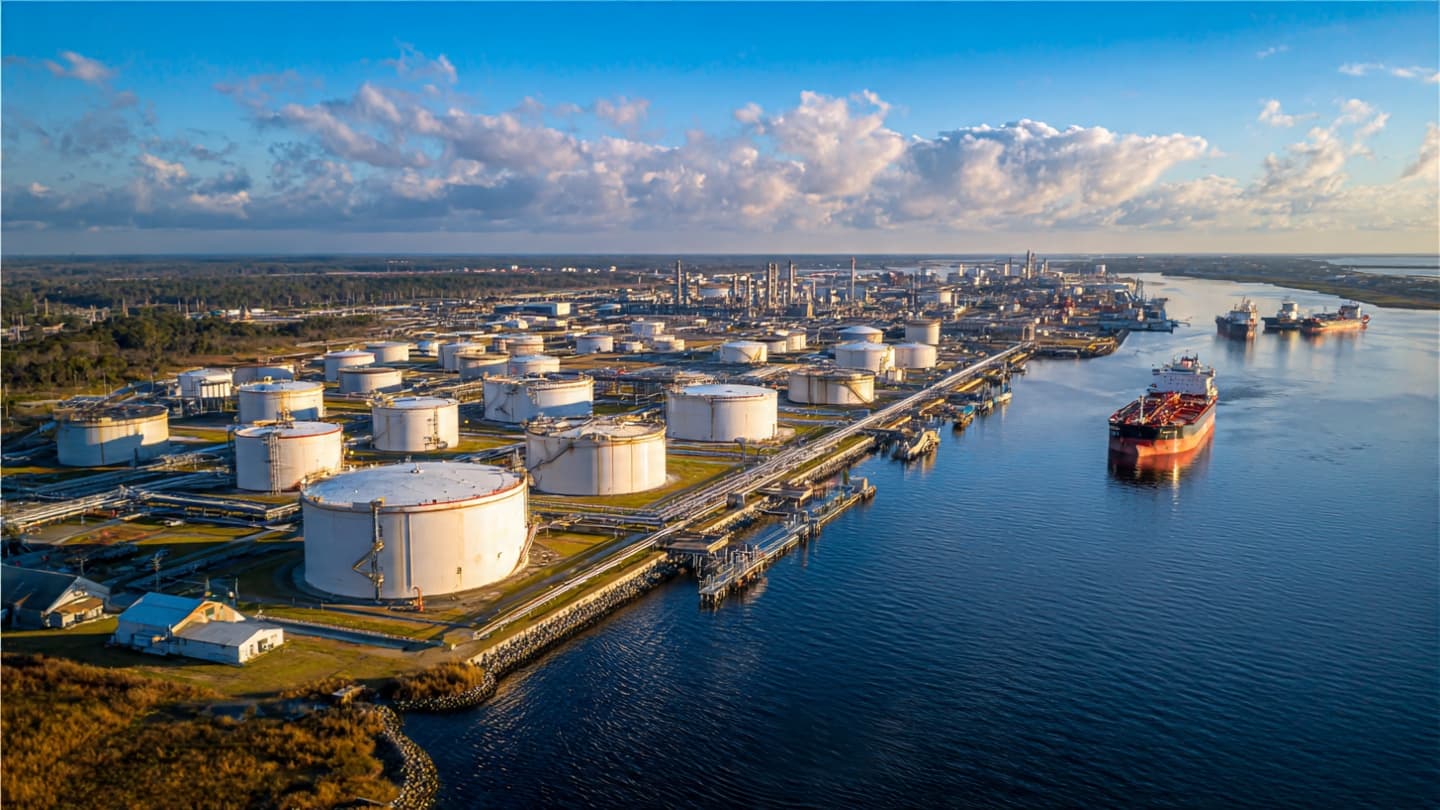
Saudi Arabia is among the countries with infrastructure capable of offering alternative routes. Pipelines can transport crude toward Red Sea ports, allowing some exports to avoid the narrow maritime passage.
The United Arab Emirates is similarly developing port capacity and transport connections on its eastern coast. Fujairah has become particularly important because of its position outside the Strait itself.
These investments are not entirely new. Gulf countries have spent years developing infrastructure intended to diversify trade routes and reduce logistical vulnerabilities.
But recent disruptions have increased the urgency. Infrastructure that once appeared to be a strategic option can suddenly become an essential component of economic resilience.
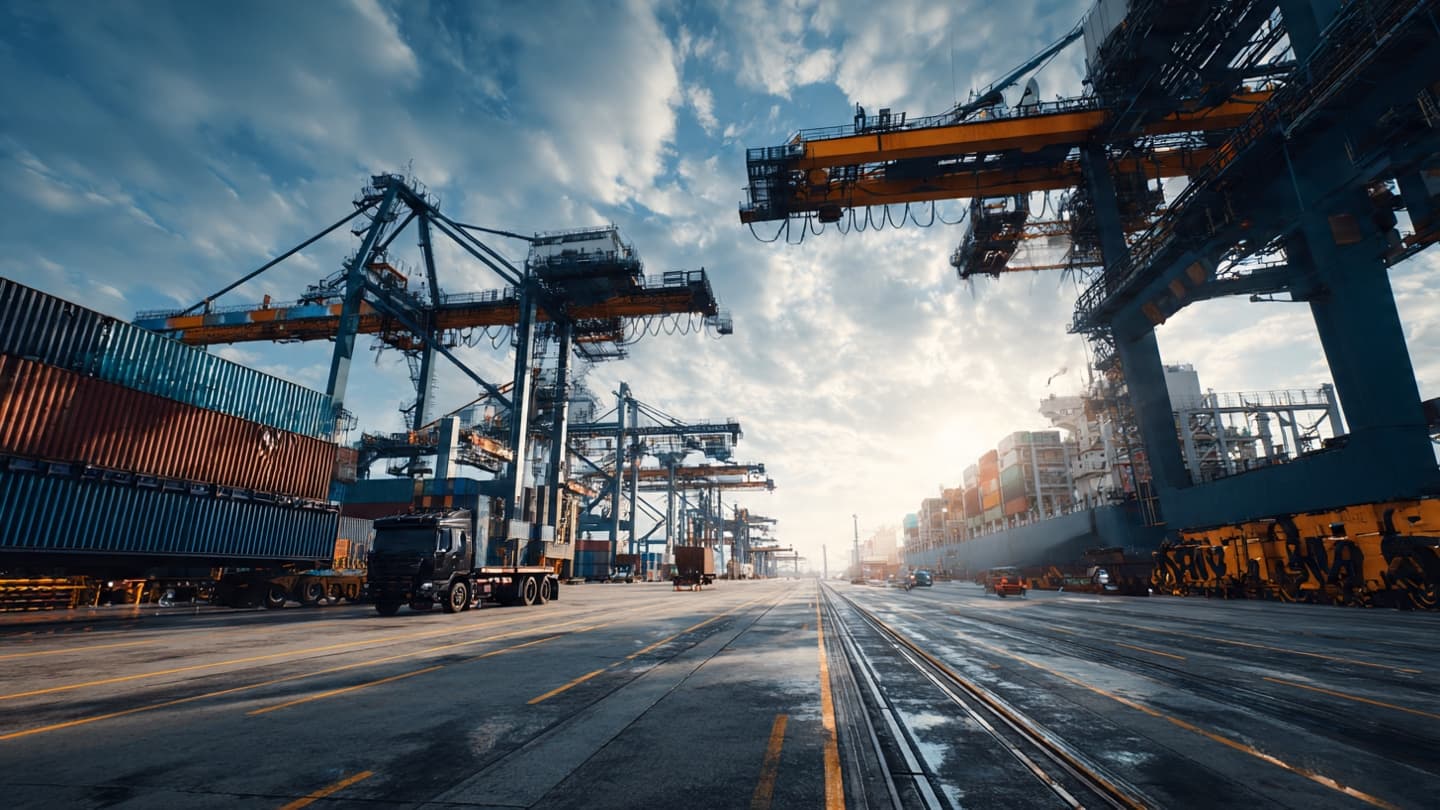
Ports are particularly valuable because their importance extends beyond oil. Container shipping, food imports, industrial materials, and manufactured products all depend on reliable logistics networks.
The economic impact of disruptions can also spread through tourism and industrial activity. Higher transport costs and uncertainty can influence businesses even when their operations are physically distant from the affected shipping route.
Gulf sovereign wealth funds give the region an unusual capacity to finance large infrastructure projects. Long-term investment can be directed toward ports, pipelines, railways, storage facilities, and inland logistics hubs.
The result may be a gradual reshaping of the region's commercial geography. Rather than relying on one dominant maritime passage, businesses could increasingly use a network of routes connecting different ports and transport corridors.
For global energy markets, that diversification could eventually provide greater flexibility. For the Gulf economies themselves, it represents an investment in infrastructure designed not only for today's disruptions but for a more interconnected and uncertain trading environment.
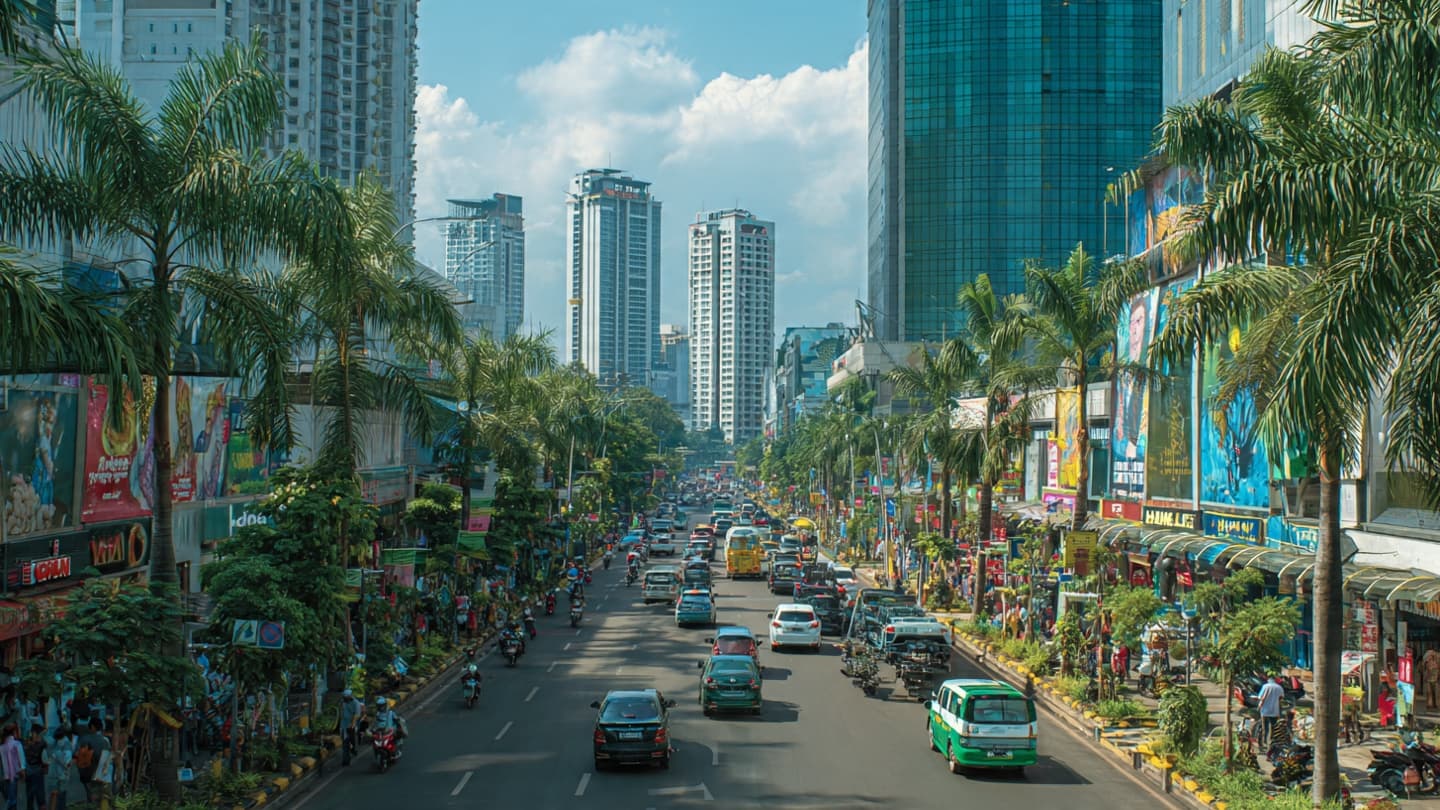
AI Image Disclaimer The illustrations were generated with AI and are conceptual depictions of Gulf logistics infrastructure rather than photographs of actual construction or shipping operations.
Sources Reuters International Energy Agency OPEC
Published by Banx Network. This article is part of the Banx decentralized media programme, powered by the BXE token on the XRP Ledger.