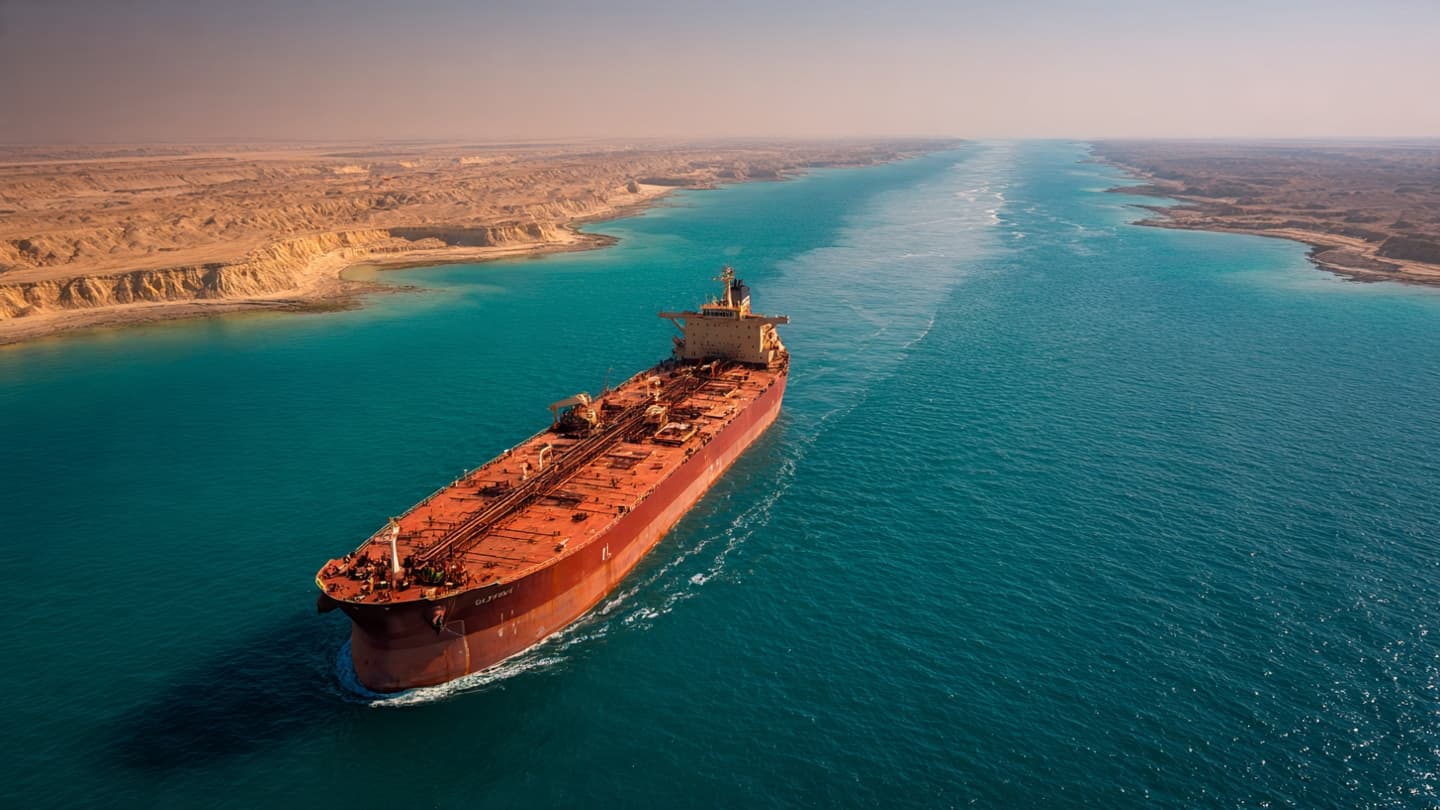
The Strait of Hormuz is narrow on a map, but its importance extends far beyond its geography. Between the Persian Gulf and the Gulf of Oman, tankers move through a passage that connects some of the world's most important energy-producing regions with international markets.
On Saturday, Iran granted permission for a number of Iraqi oil tankers to pass through the strait after repeated requests from Baghdad, according to Reuters. Iran’s state news agency IRNA reported that the permission followed discussions involving Iraqi officials.
The decision concerns specific Iraqi vessels rather than a broad reopening of maritime traffic. That distinction matters because the Strait of Hormuz has remained a closely watched route for energy traders, shipping companies and governments around the world.
Oil tankers depend on predictable passage. A delay in one of the world's key maritime corridors can affect schedules, insurance arrangements, fuel markets and the availability of ships. Even when individual cargoes eventually reach their destinations, uncertainty surrounding their routes can increase costs along the way.
Iraq is heavily dependent on oil exports, making maritime access particularly important to its economy. Tankers carrying crude need reliable routes from production areas toward refineries and customers elsewhere, while any disruption can introduce additional logistical complications.
The permission granted by Iran came after what Reuters described as repeated Iraqi requests through various channels. IRNA reported that obtaining special permission for Iraqi tankers was among Baghdad's main requests during the visit of Iranian parliament speaker Mohammad Baqer Qalibaf to Iraq.
The development is also being observed by energy markets because of the strait's broader role. Hormuz is one of the world's most significant oil-shipping corridors, and changes in vessel movement can quickly become part of calculations made by traders assessing global supply.
For shipping companies, the immediate concern is practical rather than abstract. Crews need instructions, vessels require approved routes and cargo schedules must be coordinated with ports and buyers. A limited permission for selected vessels can therefore have consequences well beyond the individual ships involved.
The episode also demonstrates how closely energy markets remain connected to geography. A narrow waterway can become a critical component of global supply chains, linking the physical movement of a tanker with prices, contracts and inventories thousands of miles away.
Iran has now permitted a number of Iraqi oil tankers to pass through the Strait of Hormuz following repeated requests from Baghdad. The measure applies to specified vessels, while the wider situation surrounding maritime traffic remains subject to further developments.
AI Image Disclaimer The accompanying imagery is AI-generated for conceptual purposes and does not depict actual tanker movements or current conditions in the Strait of Hormuz.
Sources Reuters IRNA National Iranian Oil Company Iraq Ministry of Oil International Energy Agency
Published by Banx Network. This article is part of the Banx decentralized media programme, powered by the BXE token on the XRP Ledger.