There are moments in every creative field when a turning point arrives — not as a thunderclap, but like the soft opening of a door that invites reflection. In the world of gaming, where imagination and human expression intertwine, a new chapter has begun at Microsoft Gaming — one shaped not only by shifts in leadership but by thoughtful commentary on the role of modern technology in storytelling and play.
This week brought news that longtime gaming leader Phil Spencer is retiring from his role as head of Microsoft Gaming, ushering in a new era under Asha Sharma, a seasoned executive formerly at the helm of Microsoft’s CoreAI product group. As Sharma begins her tenure, she has been candid about her priorities: grounded in an appreciation for human creativity even as technology evolves. In a recent interview, she made clear that she has “no tolerance for bad AI” in the gaming ecosystem — a phrase that has resonated widely as both a reassurance and a challenge to her new teams and the broader industry.
Her comments underscore a delicate balance. AI, in its many forms, has increasingly woven itself into the fabric of game development, from procedural generation tools to narrative-assistance engines and beyond. Yet Sharma’s emphasis is not on rejecting innovation outright but on ensuring that such technologies enhance — rather than dilute — the emotional depth, artistic intention, and storytelling at the heart of great games. “AI has long been part of gaming and will continue to be,” she said, noting that the medium’s future depends on human-crafted stories and experiences.
That sentiment echoes through her pledge against what she describes as “soulless AI slop,” the kind of generative content that might prioritize efficiency over artistry. In a memo to staff and comments to the press, Sharma affirmed that games are and always will be art created by humans, and that her vision for Microsoft’s gaming division involves leveraging technology to empower creators, not replace them.
This perspective arrives at a time when the industry is grappling with both excitement and caution about the expanding role of AI. Developers, players, and fans alike have debated how tools like procedural generation and AI companions might alter the creative landscape — and whether detaching craft from human touch could weaken the emotional resonance with players. Sharma’s stance positions her as a leader seeking to navigate these waters gently, aiming to harness smart tools while preserving the human essence of interactive storytelling.
Her own journey into this role — from CoreAI and leadership positions at Meta and Instacart to this new position as CEO of Microsoft Gaming — has sparked discussion about the intersection of technical and creative expertise. Some critics have questioned whether a background rooted in AI rather than gaming itself offers the right foundation; others view her appointment as an opportunity to bridge worlds that are increasingly intertwined.
Regardless of differing opinions, Sharma’s early declarations provide a guiding ethos: innovation should support human creativity, not eclipse it. As games continue to evolve alongside emerging technologies, her message underscores a core belief of the medium — that players seek experiences imbued with meaning, crafted by thoughtful creators.
In the latest developments, Phil Spencer’s retirement marks a notable leadership transition at Microsoft Gaming, as Asha Sharma takes the helm and underscores her commitment to fostering innovation without compromising the human heart of gaming, stressing that AI should enhance creativity rather than overwhelm it.
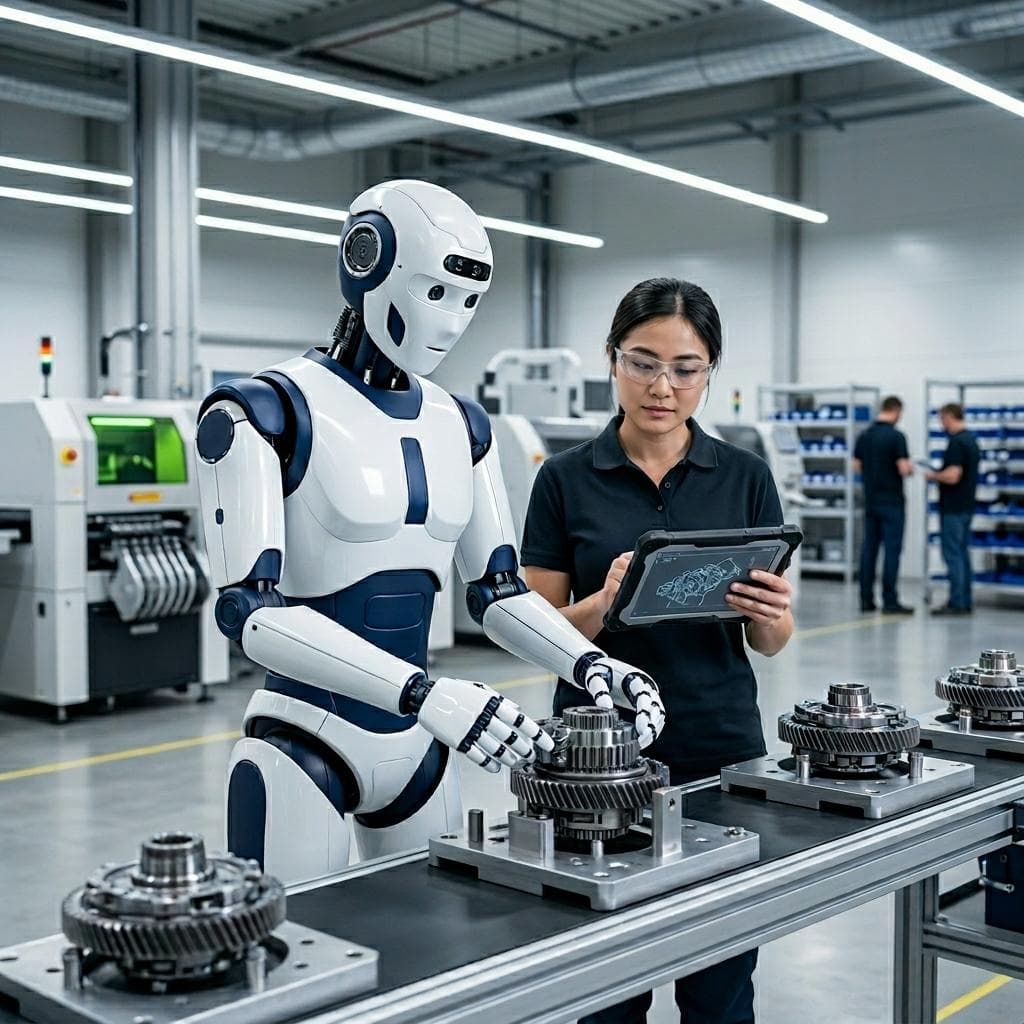
AI Image Disclaimer “Visuals are created with AI tools and are not real photographs.”
Sources Reuters; GameSpot; Variety; Pure Xbox; Forbes.
Published by Banx Network. This article is part of the Banx decentralized media programme, powered by the BXE token on the XRP Ledger.

.jpg&w=3840&q=75 "The Artemis Revolution: How NASA Plans to Build Humanity's Future on the Moon")